
A powerful storm during the Thanksgiving holiday and concurrent extreme high tides disrupted daily life across the eastern and central United States and along the Pacific Coast. The system combined high winds, heavy rain, and coastal surges that knocked out power to hundreds of thousands, halted flights and trains, and inundated low-lying coastal neighborhoods.
Storm Cuts Power to 835,278 Households — Where and Why
The outage footprint spanned Pennsylvania, Maryland, Virginia and additional Mid-Atlantic and inland states, leaving 835,278 homes without electricity. High winds downed trees and snapped distribution lines; saturated soil made root failures more likely, increasing the number of outages. Utilities prioritized restoring service to critical infrastructure — hospitals, water-treatment plants and emergency response centers — while crews focused on main feeders before progressing to individual neighborhoods. Expect multi-step restoration: assess damage, clear hazards, repair primary lines, and then reconnect distribution circuits to minimize re-energizing risks.
Air Travel Disruptions: Over 400 Cancellations and 2,000+ Delays
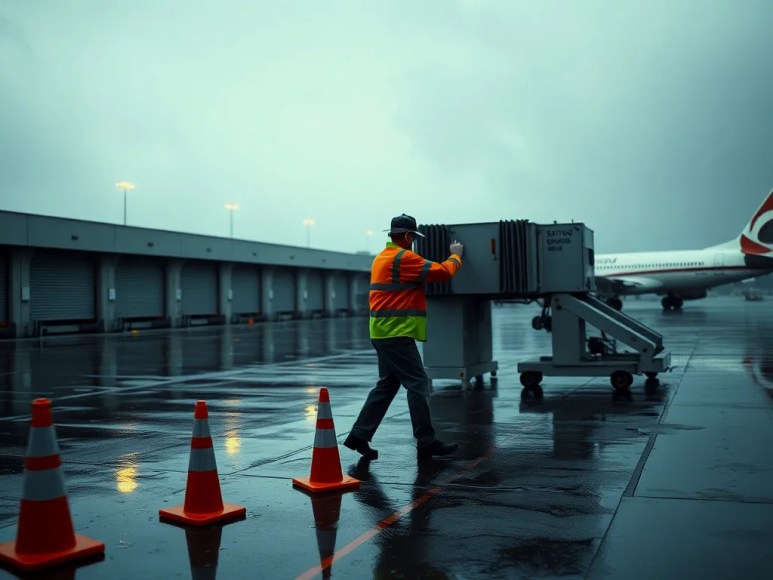
Airlines canceled more than 400 flights and delayed over 2,000 across the national network. The Federal Aviation Administration temporarily halted operations at airports including Ronald Reagan Washington National and New York LaGuardia to maintain safety margins during peak wind gusts and poor visibility. Travelers faced cascading disruptions: missed connections, gate changes, and rebooking queues. When severe local impacts occur, the typical airline response includes reallocating aircraft, adjusting crew schedules under federal duty-time rules, and offering accommodations or rebooking options for affected passengers.
States Declare Emergencies: New York and New Jersey Responses
State and local governments in New Jersey and parts of New York issued emergency declarations to mobilize resources quickly. Those declarations unlocked National Guard support, mutual aid from neighboring jurisdictions, and emergency procurement authority to speed repairs and sandbag distribution. Officials set up temporary shelters, prioritized fuel distribution for emergency vehicles and coordinated road closures where flooding and debris created hazards. Residents in declared areas were advised to avoid nonessential travel and to follow official channels for shelter locations and emergency updates.
San Diego–Los Angeles Rail Service Suspended After King Tide Surge
Along the Pacific Coast, exceptional “King Tide” conditions — temporary, predictable high tides amplified by El Niño and lunar-solar alignment — produced waves exceeding two meters in height. Those surges weakened coastal tracks and overtopped sections of right-of-way between San Diego and Los Angeles, forcing rail operators to suspend service. Track inspections follow a strict protocol: visual inspection for ballast washout, geometric measurement of track alignment, and engineering evaluation of erosion or structural damage before trains return to service. Passengers were offered alternate buses where feasible and ticket refunds or transfers for disrupted trips.
How El Niño and Astronomical Tides Combined to Flood California Coastlines
California saw sustained extreme tidal conditions for roughly a week as El Niño-driven ocean and atmospheric patterns elevated storm surge potential. When perigee-syzygy (close full or new moon aligned with the sun) coincided with onshore winds and regional storm surge, the result was chronic high water levels known as King Tides. In practice, this created repeated overtopping events that flooded streets, parking lots, and ground-floor properties in low-lying coastal communities.
Local Impacts: Pacifica, Mill Valley, Larkspur, Sausalito and Corte Madera
In the San Francisco Bay Area, Pacifica, Mill Valley, Larkspur, Sausalito and Corte Madera experienced street and property flooding. Emergency crews performed targeted evacuations where wave run-up breached seawalls and inundated basements. Examples of on-the-ground impacts included:
Pacifica: Beachfront roadways covered by seawater during peak tide cycles, forcing temporary closures and sandbagging operations.
Mill Valley: Low-lying residential streets with basement flooding; pump and sump systems overwhelmed in older properties.
Larkspur and Sausalito: Marina facilities and waterfront businesses reported dock damage and transient vessel displacements; municipal agencies issued advisories to secure boats and avoid shoreline promenades.
Corte Madera: Recurrent inundation in salt marsh fringe areas, complicating access to key evacuation routes and necessitating temporary traffic reroutes.
Practical Steps Residents and Travelers Can Take Now
Residents in affected regions should follow a prioritized checklist: secure loose outdoor items, move vehicles from flood-prone streets, document property damage for insurance, and maintain 72-hour emergency supplies including medications and power-bank-charged devices. If power is out for extended periods, treat downed lines as live, avoid standing water near electrical equipment, and use generators outdoors and away from openings to prevent carbon monoxide buildup.
Travelers should confirm flight or train status before leaving for the airport or station, enrol in airline/ticketing alerts, and prepare flexible itineraries. Keep digital copies of travel documents and receipts for claims. For coastal trips, check local tide charts and municipal advisories; small changes in timing can avoid the highest water windows.
What to Expect in the Next 24–72 Hours
Utility crews will continue staged restorations, with priority circuits returned first. Weather models indicate the main storm band has passed for many inland areas, but coastal regions may see continued elevated tides for several high-tide cycles due to the astronomical alignment and lingering swell. Agencies will monitor sandbar shifts and bluff stability after repetitive wave impacts; Property owners near bluffs should avoid the edges and heed closure notices.
Transport agencies will release progressive status updates: airports reopen as conditions permit and inspections clear runways; rail operators publish service bulletins after track certifications. Keep checking official state DOT feeds, airport pages, and transit operator alerts for the latest travel advisories.