
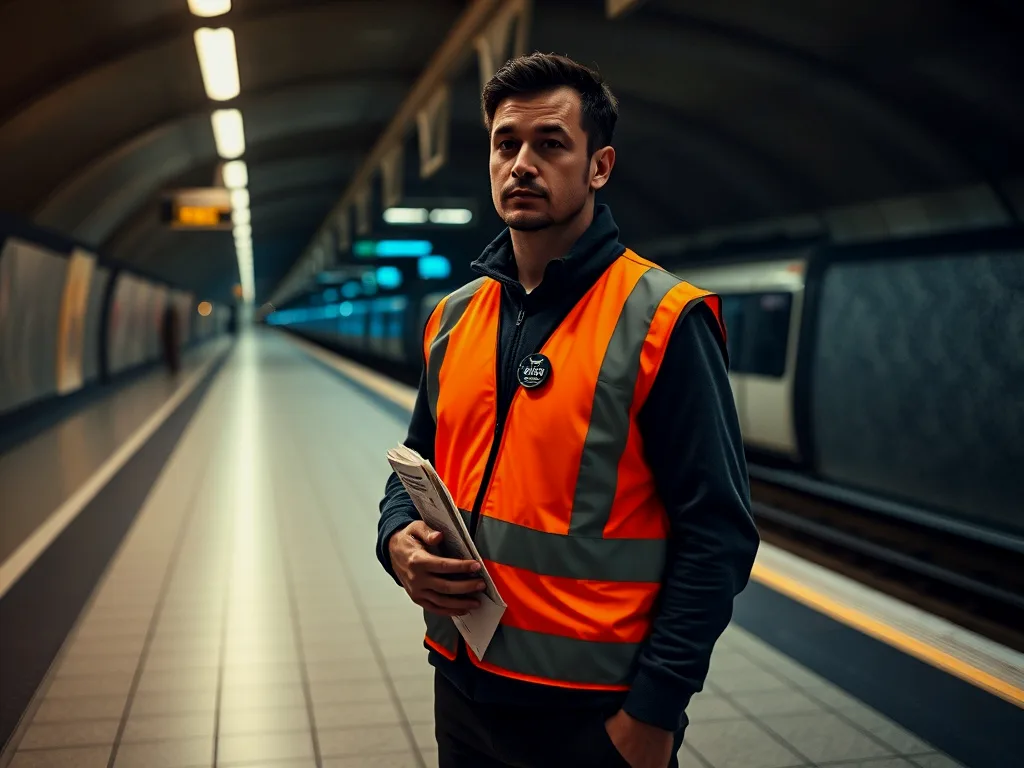
Metro services limited to two corridors on November 27
The metro company operated only on the shared corridor between Senhora da Hora and Estádio do Dragão, and on the D line between Hospital de São João and Santo Ovídio. Trains run every 15 minutes between 07:00 and 20:00 on those sections and every 30 minutes outside that window. As a result, the airport branch of the E line and many other line segments stopped running, forcing passengers to reroute or use alternative transport.
Overtime strike scheduled through December 4 amplifies disruptions
After the November 27 stoppage, SMAQ (the drivers’ union) moved into a second phase covering overtime and selected long shifts from November 28 through December 4. That phased approach means service restrictions can extend beyond the one-day initial stoppage depending on staffing and adherence to the overtime ban. Commuters should expect unpredictable capacity loss on affected days and plan alternatives accordingly.
Union demands explain the motivation behind the industrial action
Drivers pressed for pay adjustments to offset rising living costs and for improved shift premiums, transport allowances and legally guaranteed rest periods. They also listed technical and ergonomic concerns—such as cab layout and lighting—that they say affect safety and long-term health. These concrete requests guided the union’s decision to escalate from a single-day stoppage to targeted overtime bans.
Immediate passenger impacts and practical alternatives
Passengers faced fewer trains on core corridors, canceled airport connections and longer trip times. Practical alternatives included:
Short-term options:
– Use suburban and regional trains where they run parallel to metro corridors.
– Switch to organized shuttle services where employers or local authorities provide them.
– Preface journeys with ride-hailing or bus segments to reach running metro stations.
Cost and time management tips:
– Buy timed multi-trip tickets or short-term passes to avoid repeated ticket purchases during uncertain schedules.
– Allow 30–60 extra minutes for commutes involving transfers or airport connections.
How the strike affects airport connections and travelers
The E line’s outer section that serves the airport suspended service on the strike day, leaving travelers to rely on buses, taxis or prearranged transfers. For time-critical travel (flights, trains), reserve alternative transport in advance and factor in potential traffic delays from displaced metro passengers. Travelers can also contact airlines or rail operators for advice and rebooking policies when strikes cause missed connections.
Operational context: Porto Metro’s size and contract timeline
Porto Metro carried about 94.5 million passengers in 2025, running over 389,000 scheduled trips on a six-line, 69.8 km network with 120 electric vehicles. The existing operating contract expires by March 31, 2027, and a new operating period is due to start in April 2027—timelines that add pressure to negotiations between the operator and staff representatives because long-term contractual terms and staffing models are under review.
Short- and medium-term consequences for service planning
Operators must rebalance timetables when drivers refuse overtime: they reduce frequency, consolidate trains on core corridors and suspend peripheral runs to keep core links open. Expect the operator to publish targeted timetables aligned to the union’s overtime calendar; procuring temporary drivers or swapping shifts remains constrained by required qualifications and safety rules, so service recovery typically follows negotiated settlement rather than ad hoc staffing fixes.
What commuters and employers should do step by step
Commuters and employers can limit disruption with a short checklist:
Commuters:
1. Check official operator updates each morning for corridor-specific timetables.
2. Pre-purchase flexible tickets or passes covering alternative modes.
3. Build extra transfer time into itineraries and choose earlier departures for critical appointments.
Employers:
1. Authorize flexible start times and remote work where feasible during strike windows.
2. Coordinate pooled transportation or subsidized ride-share options for staff who must be on-site.
3. Communicate contingency policies clearly to reduce last-minute absenteeism and productivity loss.
Examples from other cities: how similar disputes resolved
Other urban rail systems have ended overtime bans by negotiating phased pay increases tied to recruitment and ergonomic upgrades, or by accepting temporary arbitration that fast-tracked specific technical fixes. Where authorities funded short-term shuttle corridors, they reduced immediate passenger hardship while longer negotiations continued. Those examples suggest Porto could combine targeted technical investments and financial adjustments to reach a settlement faster.
Key questions passengers ask — answered concisely
Will airport service resume immediately after the overtime ban ends? Restoration depends on roster availability; expect a staged return to normal frequency rather than an instant full restoration.
Can I get refunds for disrupted journeys? Refunds and depend compensation on the operator’s ticketing and compensation policy and on whether delays meet statutory thresholds; check the operator’s passenger charter for specifics.
How long until normal schedules return? Normal operation typically resumes after a negotiated settlement or when overtime restrictions lift and rosters return to planned levels; that can vary from a single day to several weeks depending on the dispute’s complexity.