
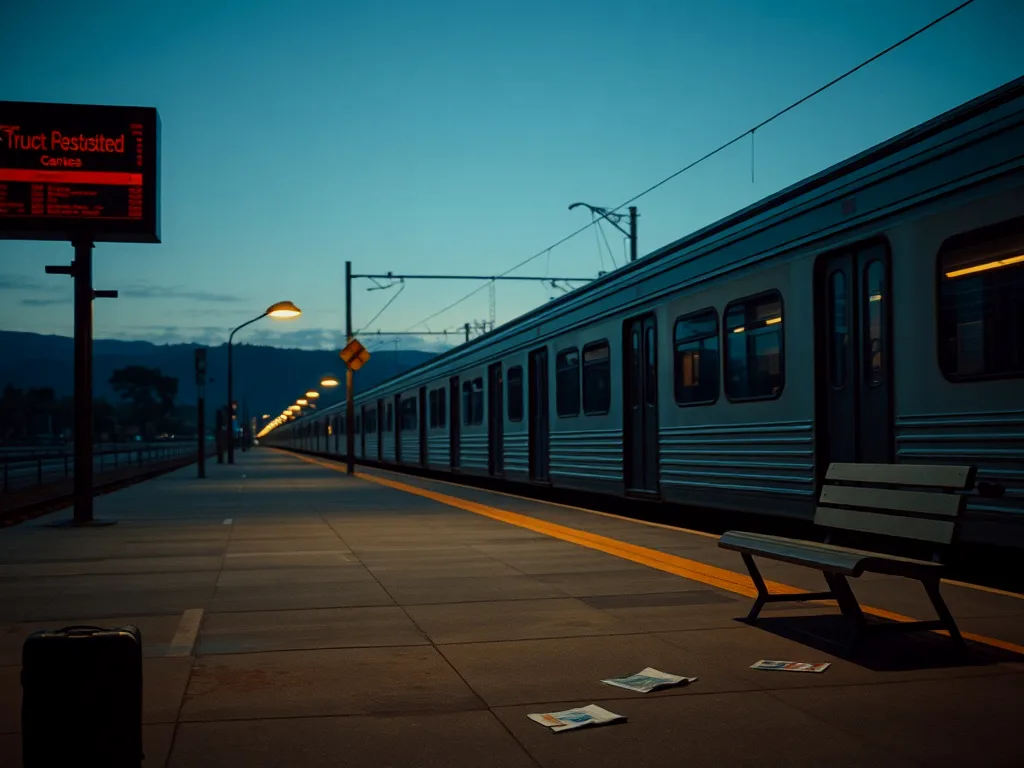
Operational Cancellation and Immediate Impact
PRASA Rail announced that planned Shosholoza Meyl services scheduled for 3 December 2026 (Johannesburg to Durban) and 6 December 2026 (Durban to Johannesburg) will not run. The operator confirmed no reservations or payments had been taken for those services and attributed the cancellation to timetable and tariff releases published before required operational approvals were complete. Passengers who planned travel on those dates should switch to alternative intercity options or adjust plans until PRASA confirms new service dates.
Why the Services Were Withdrawn: Approval and Safety Gaps
PRASA identified specific gaps uncovered during pre-service checks and test runs on the Johannesburg–Durban route. These included infrastructure adjustments, vehicle readiness items, and outstanding safety certifications from the operating authority. The agency is prioritizing completion of those items before any passenger service commences. That means completion of remedial maintenance, final sign-offs from engineering and operations teams, and an independent safety verification process.
What Was Learned During Test Runs
Test runs on the corridor provided actionable data: braking performance variation under loaded conditions, signaling calibration discrepancies at two interlockings, and minor HVAC issues in refurbished coaches. PRASA has listed corrective actions including targeted wheelset inspections, re-tuning of signaling equipment, and replacement of specific HVAC components. These corrections follow an engineering-first approach intended to minimize recurrence once services resume.
Passenger Options and Practical Steps
Passengers affected by the cancellation can follow these steps:
1. Confirm plans: Check PRASA’s official channels for refund or reservation confirmation when and if reservations were taken. PRASA stated no payments had been received for the canceled dates, but travelers should verify via email or the PRASA website.
2. Use alternative transport: Intercity bus operators run frequent Johannesburg–Durban services; compare total door-to-door time and cost. Domestic flights cover the same corridor in about one hour of flight time plus airport transfers; low-cost carriers and full-service airlines both operate multiple daily frequencies.
3. Rebook proactively: If you need rail travel later in the season, register interest with PRASA or sign up for alerts so you receive immediate notice when services are reinstated.
Planned Service Targets and Budget Allocation
Government budget documents list targets for Shosholoza Meyl over three fiscal years: 40 trains in 2026/27 and 2027/28, and 45 trains in 2028/29, with a proposed allocation of ZAR 212.4 million for long-distance passenger services in 2026/27. Those targets reflect a strategic intent to revive intercity rail, but delivery depends on securing operational funding, fleet availability, and continued safety certification.
How PRASA Will Decide the New Start Date
PRASA will clear the Johannesburg–Durban service for passengers only after satisfying three checkpoints: (1) completion of engineering rectifications documented from the test runs; (2) internal operations sign-off confirming staff training, crew rostering and route familiarization; and (3) an independent safety assurance review. Each checkpoint includes measurable criteria—work completion certificates, crew competency assessments, and a final inspection report—so the new start date will follow objective confirmation rather than an arbitrary deadline.
Examples from Comparable Restarts
Comparable relaunches internationally show that phased approaches reduce risk. Example: a regional operator restarted a refurbished intercity route by first running empty-load acceptance tests, then limited low-occupancy services for an operational week, and finally full-capacity scheduled services after validating performance metrics (on-time performance, brake test logs, passenger comfort feedback). PRASA’s current approach maps to this staged model and that should shorten overall recovery time while keeping safety central.
What to Watch Next
Key indicators that will signal imminent resumption:
• Engineering clearance notices published with itemized fixes completed and technician sign-offs.
• Operations certification confirming crew rosters, training records and trial-timetable runs with passengers restricted to assess turnover.
• Independent safety review or Regulator confirmation posted publicly.
Monitor PRASA’s press releases and the transport ministry’s updates for those documents; operators often publish scanned certificates or summary checklists when reintroducing long-distance routes.
How This Affects Long-Term Route Viability
Long-term viability depends on three converging factors: reliable funding cycles tied to the published budget allocations, consistent availability of serviceable rolling stock, and demonstrable operational safety records that restore public confidence. If PRASA meets the engineering and regulatory milestones efficiently, the Johannesburg–Durban corridor can resume with predictable frequencies that match the 2026–2029 targets; if not, planners may need contingency measures such as lease rolling stock or public-private partnerships to meet commitments.