
Safety Reports Created Controversy
On 3 September 2025 the Glória funicular accident in Lisbon killed 16 people and triggered renewed scrutiny of municipal safety practices. Independent technical inspections carried out after the accident identified multiple deficiencies across Lisbon’s historic funicular network. Reports published in November 2026 indicated that the Lavra line lacked some of the mandatory safety conditions for reopening, while the Bica line showed defects that demanded significant intervention.
Mayor Denies Allegations
Carlos Moedas, the mayor of Lisbon, denied accusations that safety reports were withheld. He said the documents were part of internal technical and administrative processes and justified decisions to suspend operations when they were taken. Moedas also stated that he had not been aware of actionable technical issues before the accident. That claim has become central to political and legal scrutiny because it affects both operational accountability and potential criminal investigations.
Portuguese media coverage framed the issue along two overlapping lines: political responsibility and technical causation. Commentaries in Expresso emphasized political accountability for oversight failures, while Correio da Manhã highlighted potential legal consequences stemming from alleged neglect of safety warnings. Preliminary technical examinations cited steel cable failure and maintenance omissions as contributing factors, feeding public demand for clearer, faster disclosure of inspection outcomes.
What the Inspection Reports Found — Specific Deficiencies and Examples
Inspection documents detailed observable shortcomings rather than generic statements. Examples include worn cable terminations that did not meet replacement thresholds, brake-system components with corrosion beyond manufacturer tolerances, and missing records for periodic non-destructive testing on critical elements. In one documented case a safety interlock had been bypassed during routine operations, an action that increases the risk profile significantly. These concrete findings help explain why safety advocates argue for immediate remedial work rather than limited operational patches.
How Delayed Transparency Affects Public Safety and Trust
Delays in public disclosure of inspection findings create a cascade of effects: operators and maintenance teams may not receive enough external pressure to prioritize fixes; citizens lose trust in municipal governance; and researchers face challenges reconstructing timelines. For example, if a maintenance log showing repeated cable wear is published months after an incident, regulators can no longer require timely corrective actions that might have prevented further harm. The Lisbon case shows that withheld or late reports limit the capacity of independent auditors and watchdogs to detect systemic risk patterns across multiple lines.
Step-by-Step: What an Effective, Transparent Safety Process Should Include
1) Mandated independent inspections: Appoint accredited third-party inspectors on a fixed cycle and after every significant incident. 2) Public release of executive summaries within 30 days: Make key findings accessible in non-technical language for stakeholders and the public. 3) Immediate interim restrictions: When inspectors find any critical failure modes (eg, cable integrity, braking), require temporary line closures until defined mitigations are implemented and verified. 4) Traceable maintenance records: Use tamper-evident digital logs with timestamps and technician identifiers to maintain an auditable chain of actions. 5) Corrective-action timelines: Define required fixes, responsible parties, and completion dates; publish progress updates quarterly. 6) Civil and criminal referral protocols: If negligence is suspected, trigger legal review pathways while preserving due process.
Comparative Examples: How Other Cities Manage Historic Funiculars
Several European cities operate historic funicular lines with stricter transparency protocols. For instance, Geneva requires public publication of safety audits for all public-transport heritage assets and imposes financial penalties for undocumented maintenance. In Valparaiso, Chile, operators must obtain third-party certification before reopening after any technical incident. These examples show measurable benefits: faster remedial action, fewer repeat failures, and higher public confidence measured by subsequent ridership recovery rates.
Potential Legal and Administrative Outcomes
Pending investigations can lead to a range of outcomes: administrative sanctions for procedural lapses, civil suits from victims’ families for compensation, and criminal charges if evidence shows negligence or deliberate concealment. The presence of documented maintenance gaps and delayed reporting strengthens plaintiffs’ positions in civil courts and can trigger stricter regulatory reforms, including mandatory real-time monitoring of critical system components.
Recommendations for Policy and Operational Reform
To reduce the chance of recurrence, adopt three priority reforms: (a) legally require near-real-time publication of inspection executive summaries; (b) standardized mandatory replacement thresholds and testing intervals for key components such as steel cables and braking systems; and (c) fund an independent supervision unit with authority to issue emergency suspensions. These steps balance preservation of historic infrastructure with modern safety expectations and create clearer accountability paths.
Key Takeaways and Next Steps for Stakeholders
Short-term: complete forensic analysis, publish redacted reports within legal limits, and implement immediate mitigations on high-risk lines. Medium-term: legislated transparency requirements and audit protocols. Long-term: invest in preventive maintenance, digital record-keeping, and community-engaged oversight. Clear, timely information and enforceable maintenance standards are essential to restore public trust and prevent similar tragedies.
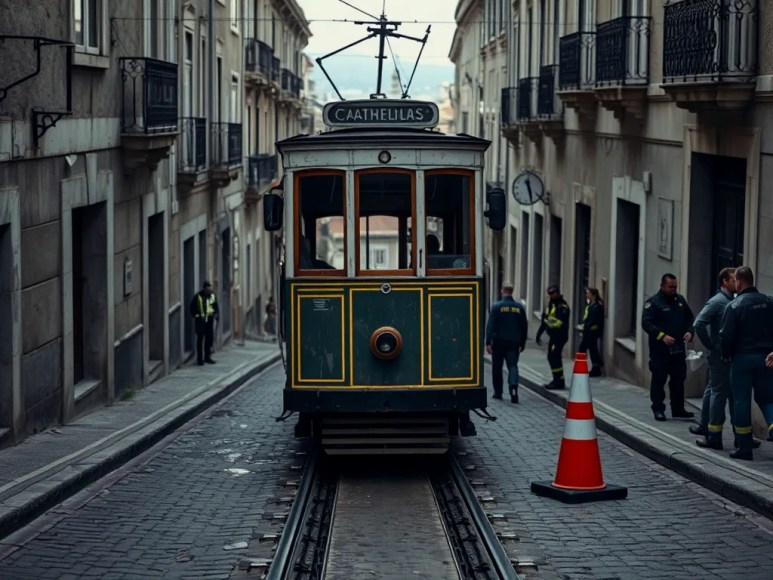
Cover image: Representative visual created with AI tools.