
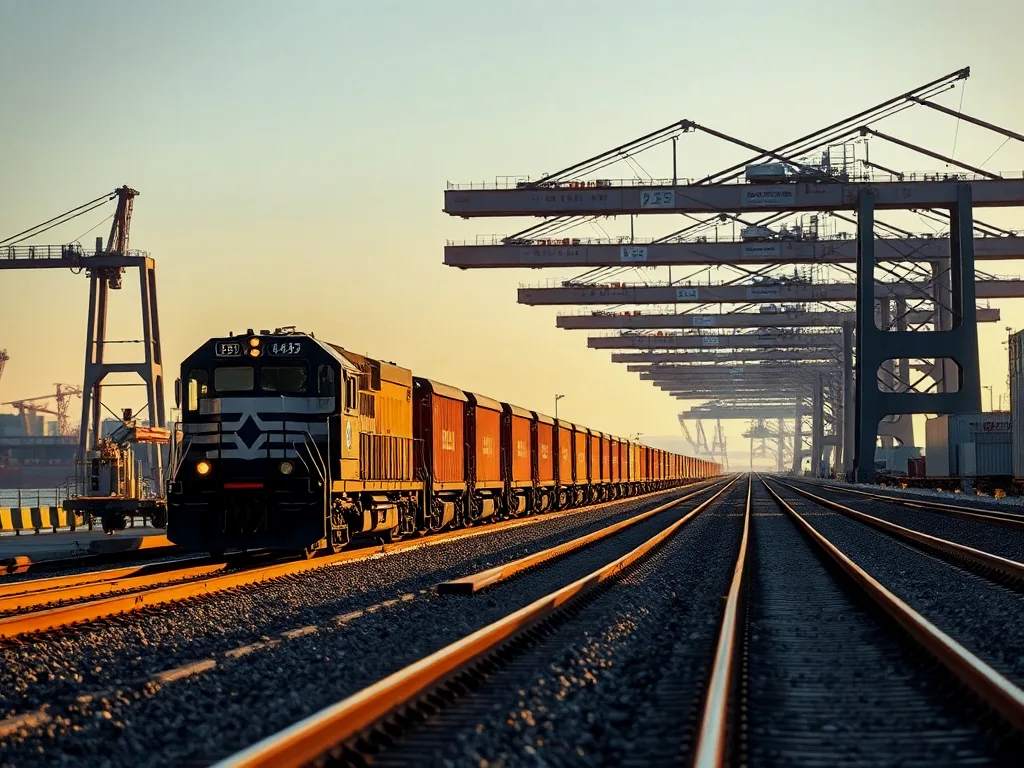
Derailment Incident and Immediate Capacity Change
On 14 November, a shunting operation at Duisburg-Ruhrort north yard caused four wagons to derail, damaging overhead electrical equipment and lighting. That damage reduced the number of usable train paths in the north section. DB InfraGO announced an increase in available slots for the week beginning 30 November 2026, raising the number of demand-open slots from 19 to 24. These 24 slots represent the remaining assignable train paths operators can request, not the terminal’s total weekly throughput.
Why DB InfraGO Raised Slots to 24 for That Week
DB InfraGO used a targeted reallocation to restore service flexibility without waiting for full repairs. The decision followed an operational assessment that identified safely usable track segments and allowed short diesel-hauled and other compatible flows to resume under restrictions. Increasing the open slots by five permits operators with urgent shipments to submit additional requests, while preserving buffer capacity for recovery operations and unplanned traffic.
Operational Constraints and Who Is Affected
The north yard remains constrained: diesel traction is permitted for specific movements only, and trains are limited to a maximum length of 700 meters where operational signaling and power supplies are unavailable or partially functional. South-yard operations remain under normal rules with no equivalent limitations. Shippers running long, electric-hauled unit trains through the northern section are most affected and may need to reroute or split consignments. Short intermodal shuttle services and terminal feeder trips are the primary beneficiaries of the newly available slots.
How FairShare Allocation Works in This Situation
DB InfraGO applies a FairShare allocation scheme to distribute scarce path capacity equitably. The method first confirms priority traffic—time-critical freight such as refrigerated, hazardous, or contracted slot-based services—then allocates remaining capacity proportionally among others. In practice this means:
Step 1: Operators submit slot requests specifying train length, traction type, and priority class.
Step 2: DB InfraGO validates which requests can operate safely under current constraints (diesel vs electric, length limits).
Step 3: Priority flows are scheduled first; The remaining slots are split using a proportional formula that prevents single operators from monopolizing limited paths.
This approach reduces operational disruption by balancing commercial urgency against network safety and maintenance needs.
Impact on Rail Hub Duisburg and Wider European Supply Chains
Rail Hub Duisburg, an intermodal terminal on roughly 85,000 square meters with eight tracks and three cranes, handles a mix of unit and intermodal traffic and is a strategic node for European logistic corridors. Duisport Group data for 2025 show rail-borne throughput of 14.6 million tons across its ports, with rail representing about 28.7% of total cargo tonnage. The port’s 200-kilometer internal rail network supports approximately 25,000 trains annually. Even a local restriction in the north yard can ripple outward: operators may reassign rolling stock, adjust timetables, or consolidate loads, increasing dwell times and potential truck transshipments for short-term capacity gaps.
Practical Steps Carriers and Shippers Should Take Now
To adapt, carriers and shippers can follow a clear checklist:
1. Reconfirm slot requests: Submit or amend requests to reflect diesel traction availability and the 700 m length cap where relevant.
2. Prioritize time-sensitive cargo: Flag refrigerated, hazardous or contractually critical shipments to be considered under the FairShare priority band.
3. Plan for splitting consignments: If a unit train exceeds the 700 m limit, arrange split workings or temporary storage to match available paths.
4. Coordinate equipment pools: Reposition diesel locomotives or compatible wagons to the region to exploit the constrained slots efficiently.
5. Prepare contingency transshipment: Line up short-term road or south-yard transfer options to avoid missed delivery windows.
Expected Timeline and Repair Considerations
DB InfraGO has not announced a firm completion date for repair works to the overhead and lighting systems. Typical restoration phases in similar events include damage assessment, supply procurement, safety testing, and phased re-commissioning. Where electrical infrastructure is compromised, provisional measures—such as extending diesel operations and implementing temporary lighting—allow partial service restoration ahead of full repairs. Operators should expect rolling updates and possible further slot adjustments as works progress.
Examples of Similar Incidents and Lessons Learned
Comparable incidents at European ports demonstrate common mitigation patterns: rapid slot reallocation, temporary dieselization of flows, and close cooperation between infrastructure managers and terminal operators. In one recent case, a temporary 20% reduction in north-side capacity was offset within three weeks by a combination of night-time repair shifts and proactive slot redistribution, restoring near-normal throughput while maintenance continued.
How This Change Affects Timetables and Freight Costs
Reduced capacity and the resulting operational frictions typically cause timetable shifts, higher buffer times, and occasional rerouting. Those adjustments can increase direct costs—additional locomotive usage, extra terminal moves, split train handling—and indirect costs such as longer lead times and increased truck mileage. Carriers should model potential cost impacts for vulnerable contracts and negotiate temporary arrangements with customers when necessary.