
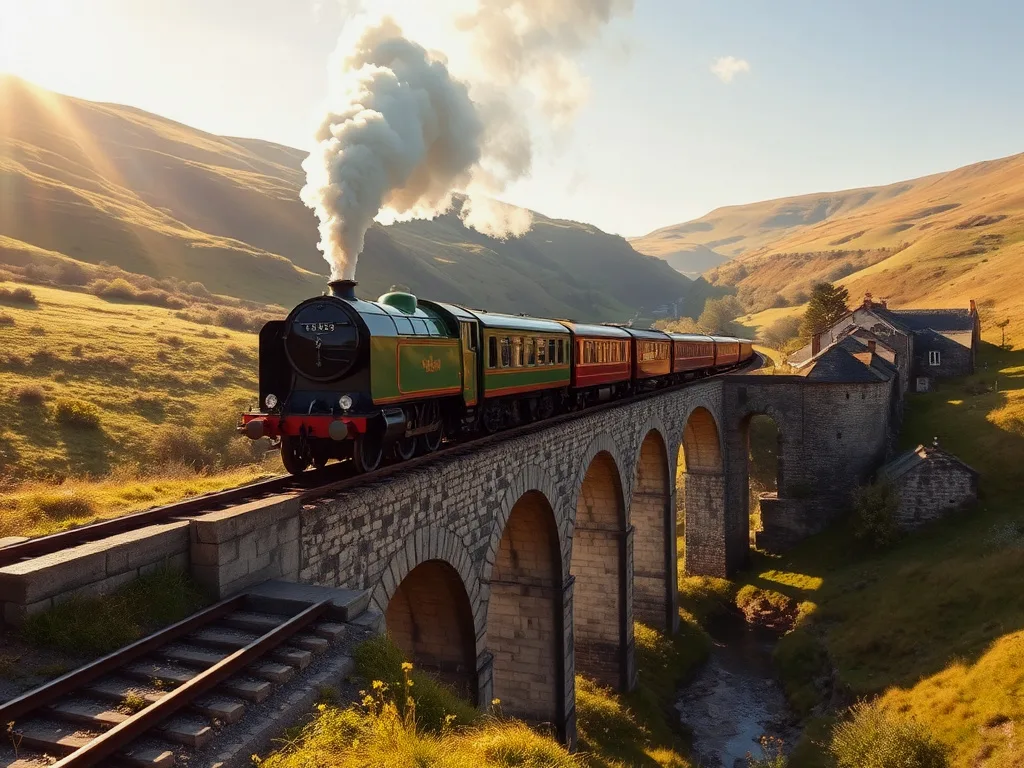
Talyllyn Railway in Tywyn, Wales has moved into the construction phase of a £5.6m restoration program that targets long-term preservation, volunteer support and improved visitor facilities. The first major contract, awarded to TIR Construction, converts the historic Trefri building into a practical training center and accessible accommodation for railway volunteers and trainees.
History and purpose of the Trefri conversion
Built around 1908 and purchased by the Talyllyn Railway Preservation Society in 2019, the Trefri building will become a multi-use asset. The project repurposes the existing structure to create communal training spaces, accessible sleeping units, and associated parking. Designers retained key historic fabric while reconfiguring interiors for modern use, following a conservation-led approach that balances heritage value with day-to-day operational needs.
What the conversion delivers: spaces, accessibility and operations
The conversion delivers specific outcomes: a classroom and flexible training rooms for hands-on engineering and heritage skills; accessible accommodation with level access and adapted bathrooms to host volunteers with mobility needs; secure parking for staff and trainees; and external landscaping to support gatherings and site logistics. These elements reduce accommodation pressure on local housing stock and make year-round volunteer programs feasible.
Funding breakdown and financial milestones
The project secured roughly £3.7m from the National Lottery Heritage Fund, supplemented by grants from charitable foundations and contributions from the Welsh Government. A public fundraising campaign added over £545k. Initial budget forecasts from 2022 estimated £3.5m; scope changes and construction inflation raised the total to £5.6m. Project managers monitor costs through staged reporting and contingency drawdowns to keep the program on track.
Planned engineering works at Tywyn Pendre and timelines to 2027
A separate tender will deliver new engineering facilities at Tywyn Pendre, scheduled to begin in 2027. Works include modern maintenance sheds, paint shops, a visitor-facing workshop area and restored service bays for historic locomotives. The program sequences heavy civil works first, followed by fit-out and installation of specialist plant so that rolling stock maintenance can continue year-round.
Technical upgrades that enable year-round vehicle maintenance
To shift from seasonal to continuous restoration cycles, the scheme installs upgraded cranes, expanded pits, improved ventilation and environmental controls in workshops, plus bespoke jigs for wooden coach repairs. Electrical distribution is increased to handle welding plant and hoists; dust extraction and washdown points protect timber and metalwork. These measures shorten turnaround for restorations and reduce disruption to visitor services.
Operational impacts: volunteers, training and local economy
By providing on-site accommodation and structured training, the railway will expand volunteer retention and skill transfer. Practical benefits include higher volunteer availability for maintenance windows, structured apprenticeships in steam engineering and heritage conservation, and better route planning. Locally, construction contracts and increased visitor capability are expected to boost hotels, cafés and trade suppliers through steady off-season activity.
Risk management and how the project addresses cost pressures
Project teams mitigated cost pressures with phased delivery, competitive tendering and design value engineering that preserves character while reducing unnecessary complexity. Risks tracked include material price volatility, specialist labor shortages and planning constraints; risk responses combine long-lead purchasing, conditional contracts and a controlled scope adjustment process tied to funding triggers.
How this preserves railway heritage for future generations
The combined Trefri conversion and Pendre workshop upgrades create an integrated heritage ecosystem: they protect rolling stock, train a new generation of engineers and provide community access to learning about industrial history. With a projected five-year delivery window tied to funding availability, the scheme aims to secure the Talyllyn Railway’s operational sustainability and cultural role in the region.
Practical timeline and what to expect next
Immediate outcomes include on-site construction work at Trefri and visible exterior improvements. Over the next 12–36 months, interior fit-out, landscaping and volunteer accommodation commissioning will complete. The Tywyn Pendre works are set to start in 2027 following a separate procurement. Supporters can expect staged updates, opportunities to donate or volunteer, and community consultations aligned with each construction phase.
Examples and comparable projects
Comparable heritage railway upgrades in the UK show measurable gains: new workshops often halve restoration backlogs, and on-site volunteer accommodation increases season coverage by 20–40%. Projects that combine conservation grants with local fundraising typically deliver stronger community engagement and longer-term maintenance plans.