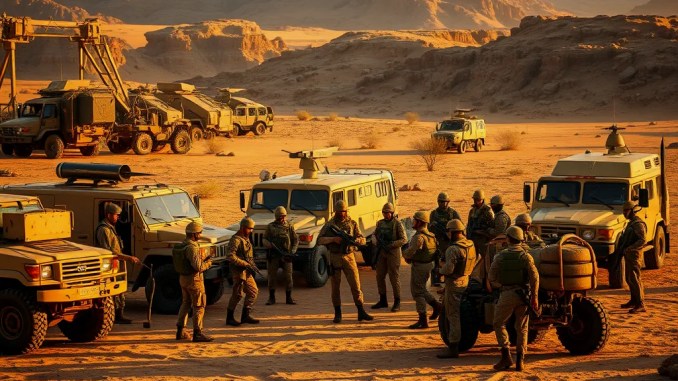
Yemen stands on the brink of a major upheaval as recent military actions swiftly dismantle fragile ceasefires, intensify humanitarian crises, and threaten regional stability. The current wave of operations, driven by the internationally recognized government, seeks to reclaim territories held by Houthi rebels, but it also risks igniting a full-scale civil war that could ripple through neighboring Gulf states. Understanding the Current Offensive Reaching into Yemen’s intricate conflict matrix reveals a strategic push by government forces across multiple fronts. According to the Yemeni government’s spokesperson, Colonel Maqdad Abdullah Al-Nazili, over 257 targeted operations have been executed within a narrow timeframe, aiming at Houthi military infrastructure, supply routes, and key positions. These targeted strikes involve advanced drone technology, precision missile attacks, and ground forces coordinated meticulously to maximize impact. Why are these operations happening now? The escalation coincides with a period of intensified Houthi activity and recent violations of a fragile ceasefire established in 2022. The government, backed by a coalition led by Saudi Arabia, perceives these actions as necessary to restore sovereignty and prevent the Houthis from consolidating control over strategic regions like Aden, Taiz, and Hodeidah. The Role of External Powers Regional and global powers play a pivotal role. Saudi-led coalition aircraft have launched more than 97 targeted strikes on Houthi military positions. These operations aim to diminish Houthi capacity to launch attacks on civilian populations and critical infrastructure, especially targeting supply lines and missile launch sites. Meanwhile, the Houthis have responded vigorously, claiming to have attacked major Saudi oil facilities, exemplified by recent missile and drone strikes targeting two critical Aramco installations. These actions escalate the regional tension, with fears of broader conflict erupting beyond Yemen’s borders. Impact of the Recent Strikes The recent assaults have reportedly killed hundreds of Houthi fighters, according to Yemeni military sources. Civilian casualties and infrastructure damages remain unconfirmed, but likely significant given the intensity and precision of current operations. As the country’s combat zones become more active, millions of Yemenis face worsening humanitarian conditions, including famine, disease outbreaks, and displacement. Militarily Strategic Locations Under Threat Key locations such as the Bab al-Mandeb Strait, Egypt’s Red Sea gateway, and vital ports like Hodeidah have become central battlegrounds. Control over these zones not only influences Yemen’s internal power balance but also impacts global oil transportation routes, raising international concern over potential disruptions. The Human Cost and Future Outlook The warfare’s toll extends beyond immediate combatants. Civilian casualties continue to rise, with hospitals overwhelmed and aid supplies scarce. The conflict’s escalation jeopardizes renewed peace negotiations and prolongs Yemen’s suffering. It is crucial to comprehend that the ongoing military offensives are not isolated incidents but part of a larger, complex struggle involving local, regional, and international actors. The ultimate goal for many involved remains unclear, but the immediate effect is a slide toward deeper chaos. Conclusion Yemen’s recent surge in military operations signals an alarming shift in its ongoing civil war, with potential regional repercussions. The strategic, technological, and human factors intertwined in this conflict demand urgent international attention and a renewed push for ceasefire and peace agreements. Without intervention, Yemen risks plunging into a prolonged, devastating conflict that could destabilize the Middle East further and threaten global energy security. FAQs Q: What triggered the recent escalation in Yemen’s conflict? A: The escalation resulted from a breakdown of the fragile ceasefire, increased Houthi military activity, and the Yemeni government’s efforts to regain control over key territories. Q: How are regional powers involved in Yemen’s conflict? A: Saudi Arabia leads a coalition supporting the Yemeni government, conducting airstrikes and supply efforts. Iran is accused of backing the Houthis, supplying arms and strategic support, although its exact role remains debated. Q: What are the humanitarian consequences of these military operations? A: Civilian casualties, displacement, food shortages, and health crises worsen as fighting intensifies, creating one of the world’s worst humanitarian emergencies. Q: Could these military actions lead to a full-scale civil war? A: Yes, the current escalation risks expanding into a broader conflict if peace talks do not resume and a political solution fails to materialize promptly. Q: How might international actors influence the conflict’s resolution? A: Diplomatic engagement, sanctions, and peace initiatives led by the UN and regional stakeholders are critical to de-escalate tensions and foster dialogue. This detailed examination helps clarify the stakes, strategies, and stakes involved in Yemen’s continuing conflict, providing context for both policymakers and the international community to act decisively before further chaos ensues.