
Overview of the Series 1 Modernization and Its Purpose
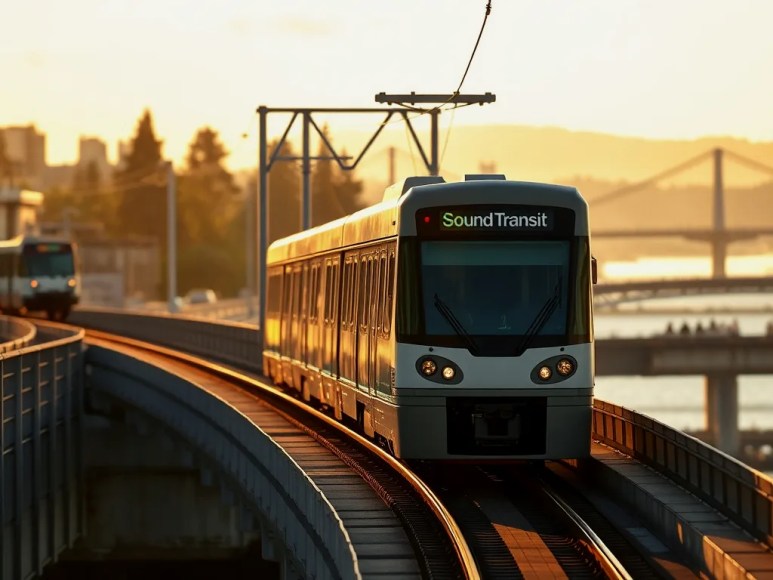
Sound Transit completed the first phase of a lifecycle modernization for its 62-car Series 1 light-rail fleet, returning four Kinkisharyo-built vehicles to passenger service on 25 November 2026. The program updates legacy electronics, improves operational reliability, and extends service life so these 2009 vehicles can remain in revenue operation for roughly 15 more years. The phased work sequence minimizes service disruption while creating a platform for better diagnostics, passenger information, and safety systems.
What Was Replaced and Why It Matters
Electronic control systems and communications were the core of the overhaul. Upgrades include Ethernet-based train networks, refreshed driver consoles, and modernized onboard controllers. Replacing end-of-life components reduces intermittent faults, shortens mean-time-to-repair, and lowers lifecycle costs by shifting troubleshooting from hardware swap-out to remote diagnostics and software-assisted fault isolation. The result is more consistent headways, fewer mid-day failures, and lower overtime for maintenance crews.
Passenger-Facing Improvements and Real-World Impact
Passengers benefit directly from the new hardware. Each modernized car now carries high-resolution digital passenger information displays that show real-time arrival predictions, transfer guidance, and disruption notices. New security cameras improve coverage angles and image clarity, aiding incident review and deterrence. Door status indicators and automated passenger counting enable operations to manage dwell times more precisely and match capacity to demand on high-ridership segments.
Program Budget, Contracting, and Timeline
The contract with Woojin IS America set an authorized cap of approximately $35.9 million before taxes. That figure covers phased disassembly, electronic replacement, validation testing, and reintegration into revenue service. Four vehicles completed in late 2026 represent the first validation set; Sound Transit plans to complete the remaining 58 cars over the next three years on a rolling schedule that aligns with maintenance windows and vehicle availability.
How Testing and Reintroduction Were Executed
The return-to-service sequence followed a deliberate test plan: first, bench and lab verification of electronic modules; second, staged vehicle-level functional testing in a controlled yard environment; third, dynamic on-track tests for braking, propulsion, and communications; and finally, a revenue acceptance period where fault logs and passenger systems were monitored under normal service loads. Each stage used defined acceptance criteria and traceable test logs so subsequent batches replicate the validated process.
Operational Benefits and Measurable Outcomes
Expected measurable benefits include lower failure rates and improved schedule adherence. Remote diagnostics cut diagnostic time by an estimated 30–50% based on similar rollouts elsewhere, while automated passenger counts provide data to fine-tune run and layover plans. Improved door indication and monitoring reduce unsafe door-related dwell incidents, and the consolidated Ethernet backbone simplifies future software updates across the fleet.
Integration with Fleet Expansion and Capacity Planning
Modernizing Series 1 is one element of Sound Transit’s broader capacity strategy. Additional Siemens S700 deliveries are scheduled through March 2028 to add immediate capacity; Procurement for longer Series 3 LRVs continues to meet anticipated ridership growth. By extending Series 1 service life, Sound Transit preserves fleet flexibility—allowing newer, longer vehicles to be deployed strategically to high-demand corridors while modernized Series 1 cars continue to serve routes where their length and performance remain a match.
Risks, Mitigations, and Lessons for Other Agencies
Key risks include supply chain delays for electronic modules and unforeseen integration issues with legacy subsystems. Sound Transit mitigated those risks by validating vendor components in laboratory conditions before vehicle installation and maintaining an inventory buffer for critical spares. A phased acceptance process reduced program risk by catching interface issues in the first four cars rather than during a full-fleet rollout. Other transit agencies planning similar programs should adopt staged validation, full test logs, and cross-vendor integration checks early in procurement.
Timeline and What Riders Should Expect Next
Riders will see additional modernized vehicles enter service over the coming three years. Incremental returns to service will be announced in batch updates; Each release will include details on new passenger features and any temporary service adjustments during testing windows. Riders can expect quieter, more reliable cars with clearer onboard information and a lower likelihood of on-route failures as the fleet transition progresses.
Quick Facts
• Fleet size: 62 Series 1 LRVs (four modernized as of 25 Nov 2026).
• Contract cap: ~$35.9 million (pre-tax) with Woojin IS America.
• Program goal: Add ~15 years of useful life to 2009-built cars.
• Complementary work: Siemens S700 deliveries through March 2028; Series 3 procurement is underway.