
Study design and participant profile
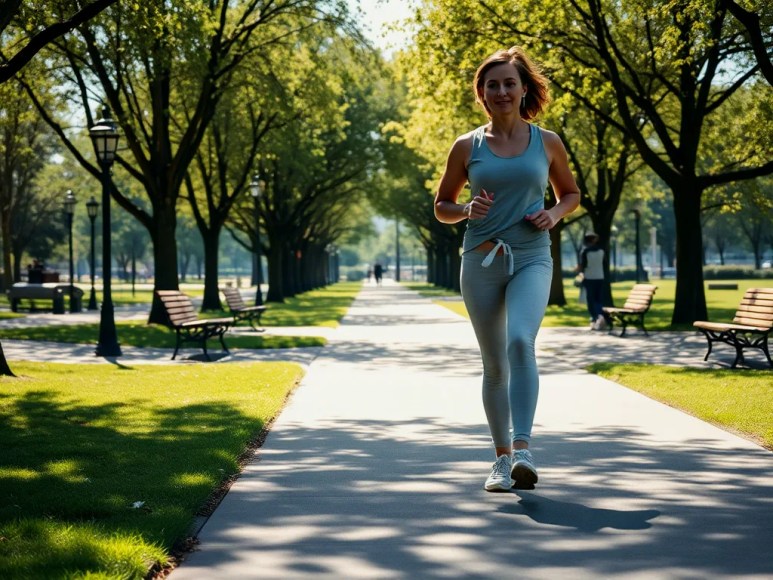
The randomized comparative trial led by researchers at the University of Colorado enrolled 30 adults aged 18–45 with overweight or class I obesity who spent at least six hours per day sitting. Investigators split participants into two matched groups and asked both to perform 45 minutes of brisk walking daily, five days per week, over six weeks. One group completed a single continuous 45-minute session; the other split the same total into approximately 5-minute brisk walking breaks at the start of each hour during their waking workday. Researchers monitored adherence, step counts, and session timing to ensure the intervention compared movement distribution rather than total volume.
What the study measured and how
Investigators used laboratory blood tests plus continuous glucose monitoring (CGM) to assess glycaemic control. Primary outcomes included time-in-range (70–140 mg/dL), magnitude of glucose variability, and postprandial glucose excursions after meals. They also evaluated proxies for muscle and hepatic metabolism by analyzing glucose trends across the day and assessing the immediate post-walk glucose slopes. Activity pattern metrics (bout frequency, duration, and intensity) came from wrist-based accelerometers and validated step counters.
Key findings: Why short, frequent walks performed better
The group that dispersed walking into hourly 5-minute bouts spent significantly more time in the 70–140 mg/dL range and exhibited lower glucose variability than the single-session group, despite identical total walking time. Postprandial peaks were smaller and resolved faster after meals when short walks followed meals or were interspersed throughout the day. The likely mechanisms include repeated activation of skeletal muscle glucose uptake pathways and improved peripheral circulation:
Repeated muscle glucose uptake: Brief, frequent activations recruit GLUT4 translocation and local muscle glycogen turnover multiple times per day. These intermittent stimuli blunt large post-meal spikes by providing timely, insulin-independent glucose disposal.
Improved perfusion and faster glucose delivery: Standing up and walking increases limb blood flow. With more frequent circulation surges, glucose reaches working muscles sooner, accelerating clearance from the bloodstream and reducing peak amplitude.
Concrete, hour-by-hour protocol you can follow at work
Implement this practical schedule if you work a typical 9:00–17:00 shift. Each hour includes a 5-minute brisk walk; total daily walking equals 45 minutes. Use a timer or phone reminder and choose routes that keep pace safe and continuous.
Step-by-step office protocol (9:00–17:00):
09:00 — Start work seated; set hourly reminders.
10:00 — Walk briskly for 5 minutes (activate glutes and calves).
11:00 — Take 5 minutes of stair climbing or corridor laps.
12:30 — Eat lunch; aim to finish within 20–30 minutes.
13:30 — Walk 5 minutes after lunch to blunt postprandial rise.
14:30 — Walk 5 minutes and perform gentle leg extensions.
15:30 — Brisk 5-minute walk focusing on cadence, not speed.
16:30 — Final 5-minute office lap or stair set before finishing.
Notes for implementation: pick a brisk but safe pace (puts you at light-to-moderate effort), wear stable shoes, and choose walking paths that avoid slips or tripping hazards. If stairs are available and safe, adding 10–20 steps per five-minute bout increases muscle recruitment and metabolic effect.
Illustrative data points and expected effects
In the trial, hourly-walking participants increased time-in-range (70–140 mg/dL) by a clinically meaningful margin relative to baseline and to the continuous group. Glucose variability metrics — such as coefficient of variation and mean amplitude of glycaemic excursions (MAGE) — decreased in the frequent-break group. Clinicians typically consider an increase in time-in-range of 5–10 percentage points meaningful; The study observed improvements within that practical range for many participants. Expect the largest relative benefits around the 60–180 minute window after meals when postprandial glucose normally peaks.
Who this applies to and important limitations
Results apply to generally healthy adults with overweight who are otherwise free from diagnosed chronic disease. The trial excluded people with established diabetes, significant cardiovascular disease, or other major comorbidities. Sample size was modest (n=30) and short-term (6 weeks), so findings require replication in larger, longer and in populations with insulin resistance studies, type 2 diabetes, older adults, or those on glucose-lowering medications. Individual responses vary; people with autonomic dysfunction, balance problems, or recent cardiac events should not adopt new brisk activity without medical clearance.
How to adapt the protocol safely and make it stick
Begin with realistic pacing: if 5 minutes of brisk walking feels hard, start with 3-minute hourly breaks and build toward 5. Use simple habit tools: calendar alerts, wearable haptics, or pairing walks with routine triggers (after a cup of coffee, after a meeting ends). Track progress with a step counter or smartphone health app to see weekly accumulated minutes. For workplaces, propose walking meetings, designated walking routes, or microbreak policies to normalize short active breaks.
Practical examples and modifications
If you work from home: pace inside the hallway, perform timed stair climbs, or march in place for five minutes at the top of each hour. If mobility is limited: perform seated heel pumps, standing calf raises, or short bouts of chair-to-stand repetitions every hour to stimulate muscle glucose uptake. For shift workers: align 5-minute walks to the start of each hour of wakefulness or directly after meals and snacks to capture postprandial benefit.
Bottom line and actionable takeaway
Distributing 45 minutes of brisk walking into hourly 5-minute bouts produced superior short-term improvements in daily glycaemic control compared with one continuous 45-minute session in this trial. The intervention is low-cost, easy to integrate, and especially effective at blunting post-meal glucose spikes because of repeated, insulin-independent muscle activation and improved peripheral perfusion. Start with short, safe hourly walks, monitor how your body responds, and scale up consistency rather than intensity for steady metabolic benefit.