
Twin Tunnellers Reach King West Station Ahead of Schedule
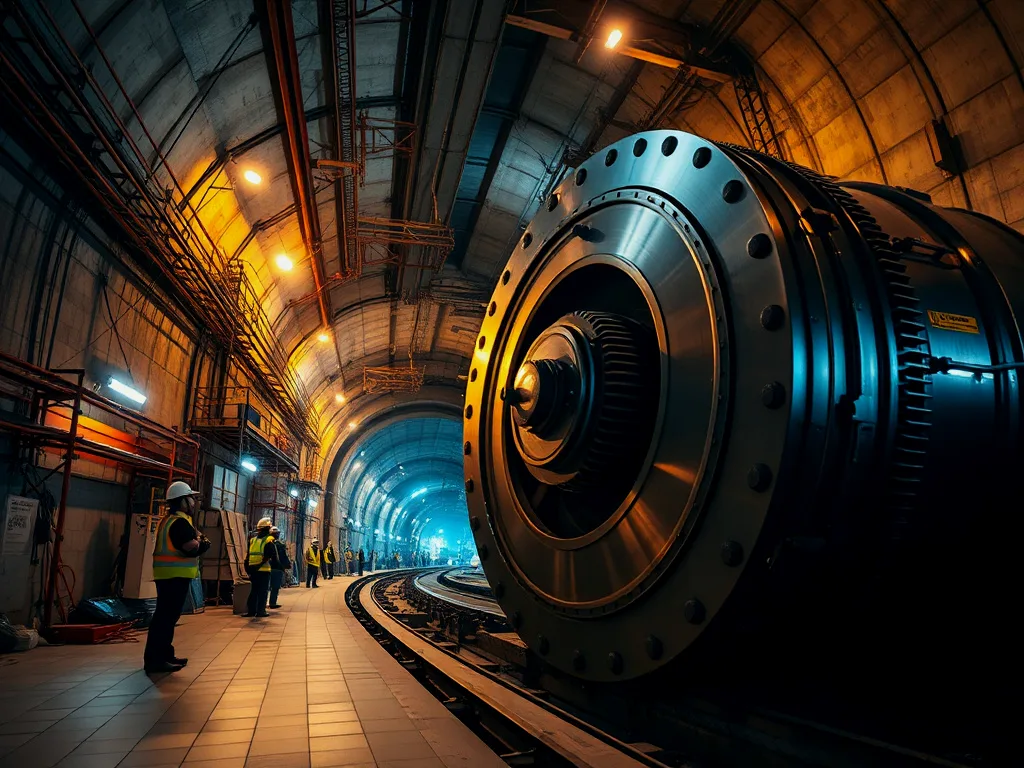
Corkie, a tunnel-boring machine (TBM), completed its drive to the future King West Station on 24 November 2026, arriving earlier than the December target. The machine excavated roughly 1.3 kilometers beneath downtown Toronto and joined its twin, Libby, which reached the same station on 6 November. After short maintenance and system checks, project teams will reconfigure both TBMs to continue tunneling westward toward Chinatown Station.
Why this Stretch Matters: Longest Downtown Tunnel Section
This segment represents the longest continuous tunnel in the central alignment and unlocks multiple operational and construction efficiencies. Completing the pair of drives through dense urban soils reduces surface disruption by concentrating excavation below major streets. It also allows teams to expedite track civil works and station fit-outs because one of the most complex underground sections is now closed and accessible for secondary works.
How the TBMs Operate and What the Recent Arrival Involved
The Herrenknecht-built machines measure approximately 6.87 meters in diameter and operate with a rotating cutterhead that simultaneously stabilizes the tunnel face, removes spoil, and installs precast concrete segments to line the tunnel. On a typical shift for Corkie and Libby the workflow included: 1) continuous cutterhead rotation and slurry or belt spoil removal; 2) installation of a precast ring every few meters; 3) real-time monitoring of ground movement and surface settlement; 4) periodic maintenance windows to service drives and hydraulic systems. The recent arrival required precision steering to meet the tight station box tolerances and careful coordination with station excavation teams to avoid structural clashes.
Station Connections: Tram Integration and Passenger Forecasts
King West Station sits at the intersection of King Street West and Bathurst Street and will provide direct transfers to the 504 King and 511 Bathurst streetcar lines. Metrolinx forecasts that by 2041 the station will handle roughly 5,100 passengers during peak hour, reflecting both local feeder trips and transfers from adjacent streetcar and bus services. Integrated vertical circulation (stairs, escalators, elevators) and platform geometry are being designed to minimize dwell times and support quick, intuitive transfers.
Project Contract, Scope and Timeline Implications
Ontario Transit Group holds the south segment contract awarded in November 2022 valued at approximately CAD 6 billion. That package covers design, construction and financing for the tunnels and associated stations along the downtown alignment. Each TBM is expected to excavate roughly 6 kilometers of tunnel over the full program. When the contract was signed, the southern package targeted completion in 2030; the early arrival of the TBMs at King West de-risks certain downstream activities and offers opportunity to re-sequence interior station works, potentially improving the overall schedule margin.
Urban Construction Details: Managing Risks and Community Impacts
Building under an active city center requires layered risk controls. The project deploys continuous settlement monitoring points along the alignment, pre-construction condition surveys of nearby heritage and commercial buildings, and vibration-control measures during segment erection and surface support works. On the community side, coordination with streetcar operations, temporary traffic management, and public communications programs has kept disruption tolerable while enabling steady progress.
Next Steps: From TBM Maintenance to Westward Drives
Following the arrival, crews will complete mechanical inspections, replace wear parts as needed, and realign the TBMs for the next drives toward Chinatown Station. Concurrently, station teams will finish the excavation and begin installing waterproofing, internal concrete works, and beginning mechanical, electrical and plumbing fit-outs. With the TBMs reconfigured, tunneling will resume and the project will continue making measurable gains toward connecting downtown neighbourhoods.
Practical Example: How Early TBM Arrival Can Shorten Construction Time
When a TBM completes a complex drive ahead of plan, it creates a scheduling buffer. For example, early TBM completion at King West allows early access to the tunnel interior for utility routing and trackbed installation. That in turn can shorten subsequent commissioning windows. A real-world consequence: if track and systems teams gain six weeks of uninterrupted access to install track panels, signaling cable trays and drainage, the commissioning phase for that section can overlap with final station finishes, compressing the program without lowering quality or safety standards.
Key Takeaways and What to Watch Next
Arrival of Corkie and Libby at King West is a major program milestone that reduces a high-risk construction phase and enables accelerated follow-on works. Watch for: 1) public updates on the TBMs’ next drives towards Chinatown; 2) schedules for station fit-out milestones; and 3) community notices about temporary construction impacts as the project shifts to interior and systems works.
Contact and Further Information
Metrolinx publishes progress reports and interactive maps on its project portal; project stakeholders typically release monthly construction bulletins outlining TBM positions, upcoming road or service impacts, and key milestones such as TBM relaunch dates and station excavation completions.