
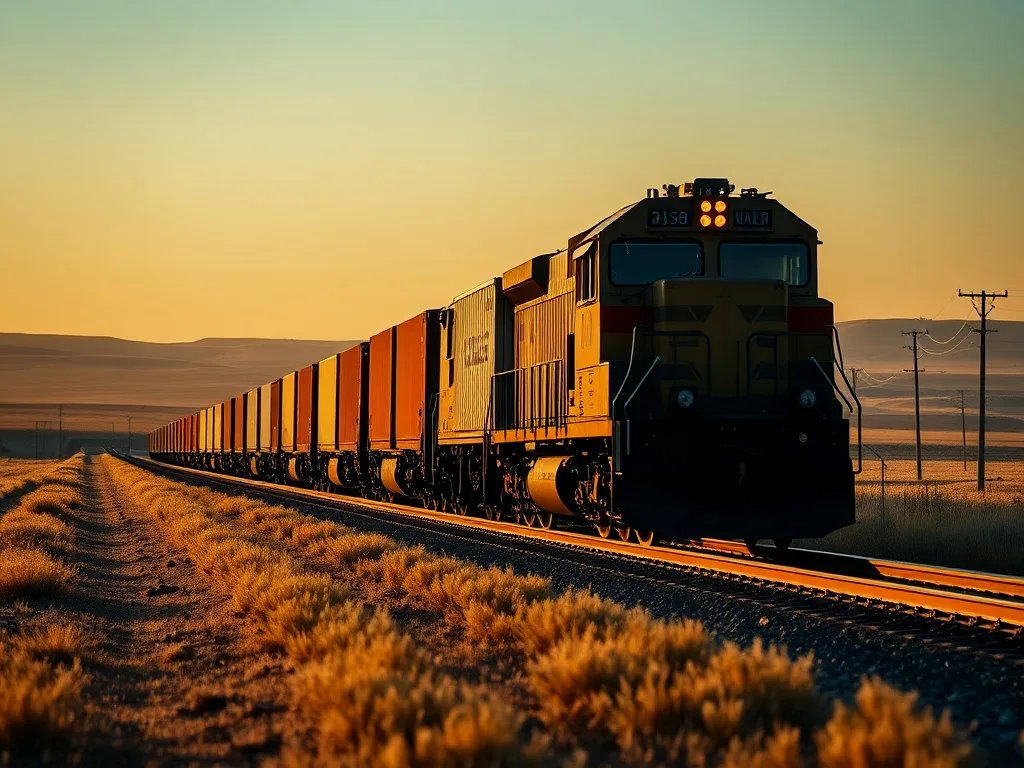
Canada’s rail freight rises 3.8% in September 2026 to 32.6 million tons
September 2026 rail shipments in Canada grew 3.8% year‑over‑year, reaching 32.6 million tons. The increase was driven largely by stronger inbound traffic from US rail connections, which jumped 22.5%, and by buoyant domestic movements in key commodity categories. Third‑quarter rail tonnage expanded 4.9% to 97.2 million tonnes, signaling sustained momentum across domestic and cross‑border corridors.
Canola and iron ore drive the bulk of volume growth
Domestic, non-intermodal loadings rose 2.0% to 25.9 million tonnes. Canola shipments surged 64.3% compared with September 2025, a rebound tied to shifting export dynamics and improved access to overseas buyers. Iron ore and concentrates increased 6.2%, and vegetable shipments climbed 25%. Offsetting those gains, wheat volumes fell 17.6% and coal declined 6.3%, reflecting seasonal patterns, harvest timing and commodity market moves.
US rail connections provide outsized lift to cross‑border flows
Intermodal domestic shipments increased 1.4% to 3.1 million tonnes while rail receipts from US railroads rose to 3.6 million tonnes. The 22.5% year‑over‑year uplift in traffic arriving via US links was concentrated in grain and agricultural products, as well as interline bulk mineral shipments. Although September’s total fell slightly short of August’s 32.8 million tons, the month beat the five‑year average for September and points to stronger bilateral rail throughput.
Grain shipments and market access: a step‑by‑step rebound for canola exports
Canada’s canola recovery followed a March 2026 tariff cut by China that reduced duties to roughly 15%. The sequence of effects is visible in rail flows: exporters secured more contracts after tariff clarity, port forwarders booked wagons earlier in the season, and regional grain elevators accelerated loadings onto the rail network. The result: larger monthly canola shipments and a notable portion of the September gain.
Rail operator performance and record moves
Canada Pacific Kansas City (CPKC) reported a record for its own September canola and grain handling, moving 2.94 million tons of grain and grain products in the month. That single‑operator achievement reflects tighter scheduling, unit train optimization and targeted asset allocation to high‑yield agricultural corridors.
Data caveats and revisions to watch
The published figures are not seasonally adjusted and are subject to revision in subsequent releases. Users of the data should expect adjustments that reconcile late reporting from regional terminals, interline reclassifications and cross-border timing differences. When building short‑term forecasts, include a revision buffer and monitor weekly rail carload reports and port throughput to capture near‑real‑time trends.
What this means for stakeholders — actionable takeaways
Exporters: Prioritize early contracting and port nominations for canola to lock capacity and take advantage of reopened market access. Rail operators: Maintain flexible unit‑train plans for agricultural corridors and pre‑position empty cars near major elevators during harvest peaks. Freight forwarders and ports: Anticipate surges in grain flows and coordinate berth windows and hinterland drayage capacity to avoid terminal congestion.