
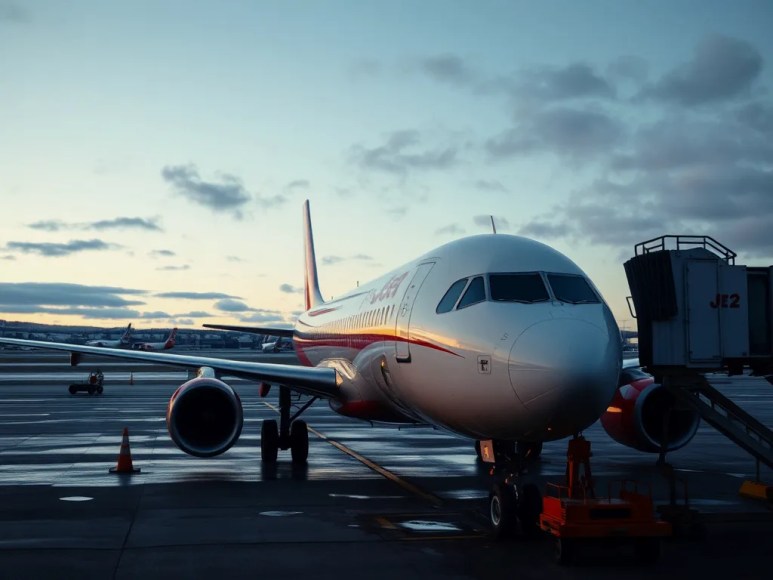
Jet2 trims 240,000 winter seats to protect margins amid surging jet fuel costs
Jet2 reduced its planned 2026–2027 winter seat program by 240,000 seats as high jet fuel prices put immediate pressure on operating margins. Management acted early in September to remove inventory from sale rather than absorb margin deterioration, prioritizing cash protection and pricing flexibility over short-term load factor targets. The cut lowered marketed winter capacity but left the company with the ability to reintroduce seats if fuel markets soften or demand strengthens.
Record passenger volumes but lower operating profit — the numbers explained
For the six months to 30 September 2026 Jet2 carried 15.4 million passengers, a 9% increase that represents the company’s highest ever half-year passenger total. Revenue rose 5% to £5.63 billion. Despite rising top-line, statutory operating profit fell 18% to £588.3 million from £715.2 million a year earlier. Two simultaneous drivers explain the divergence:
1) average one-way ticket revenue fell 14% to £104.82, reflecting intensified competition on point-to-point fares and retailers’ promotional response to softer forward pricing; 2) fuel cost inflation materially increased unit costs despite hedge coverage, compressing operating margins even as seat occupancy improved to 89.7% (up 1.5 percentage points).
How passenger mix shifted: single-ticket buyers versus package holiday customers
Single-ticket passengers rose sharply—single-ticket purchases grew by 20%—while package holiday customers increased by 4% to 4.91 million. Average package holiday price increased marginally by 1% to £945. The data show consumers continue to value low-cost point-to-point options alongside growth in package demand, but yield per passenger fell because the single-ticket cohort buys lower-priced inventory.
Fuel hedging and currency protection: the specifics that matter
Jet2 announced a deliberate hedging position: 91% of winter fuel needs hedged at around $880 per tonne, and more than 96% of expected annual foreign exchange exposure protected through forward contracts. Those tactical positions limit short-term volatility but leave the business exposed to unsold seat risk and any unhedged residual volume should fuel remain elevated.
Why management withheld a full-year profit guide
Management declined to issue a full-year profit forecast citing three uncertainties: unsold winter seats, fuel price volatility, and the timing of consumer booking decisions. Seasonality amplifies these uncertainties—Jet2 expects the company’s second-half results to be loss-making on a seasonal basis if forward pricing and booking patterns persist—so the board chose flexibility over guidance.
Capacity and network strategy for 2027 summer: where growth is concentrated
Jet2 targets a 5% capacity increase for summer 2027, offering 21 million seats. Growth concentrates on London Gatwick, where the airline expects a c.40% capacity expansion versus previous periods. The Gatwick push offsets reductions elsewhere and positions Jet2 to capture demand from UK leisure travelers seeking more direct options to Mediterranean and long-haul leisure destinations.
Balance sheet actions: buybacks, dividend, and liquidity
The interim dividend remained unchanged at 4.5 pence per share. The company’s £250 million buyback program announced in July had completed roughly 41% at the reporting date. Net cash rose 5% to £2.18 billion, reflecting operating cash generation and active capital allocation aimed at supporting shareholder returns while retaining buffer capacity.
What consumers and travel partners should expect next
Short term: expect selective winter seat reintroductions if wholesale fuel rates decline and forward pricing recovers. Consumers may see sporadic fare promotions where Jet2 seeks to stimulate late-season demand, while package holiday pricing is likely to remain stable because of pre-sold inventory.
Travel partners: tour operator product managers should monitor Gatwick capacity changes closely—expanded Gatwick flying creates new slot allocations and inventory distribution opportunities for package offerings in summer 2027. Wholesale contracting windows will matter more this cycle given hedging and the company’s emphasis on preserving margin.
Scenario examples for stakeholders: step-by-step implications
If fuel prices fall by 10% over three months: Jet2 can redeploy some of the 240,000 removed seats back into sale, boost promotional activity to capture price-elastic demand, and improve per-seat margins as hedged volumes roll off or are adjusted.
If fuel prices remain high: the company will maintain capacity discipline, focus on higher-yield package customers, and protect cash via buybacks prioritisation and conservative dividend policy, while withholding full-year guidance.
Key takeaways for investors, customers and industry observers
Jet2 has balanced growth and margin protection by accepting a temporary capacity haircut. The business shows resilience through record passenger volumes and strong liquidity, but margins remain vulnerable until fuel costs normalize or pricing power improves. Strategic Gatwick expansion underpins next summer’s growth, while active hedging and FX protections mute—but do not erase—commodity risk.
Data points referenced: 15.4m passengers, £5.63bn revenue, £588.3m operating profit, 240,000 winter seat reduction, 21m summer 2027 seats, 91% fuel hedged at c.$880/tonne, net cash £2.18bn, interim dividend 4.5p, 41% of £250m buyback completed.
Be the first to comment