
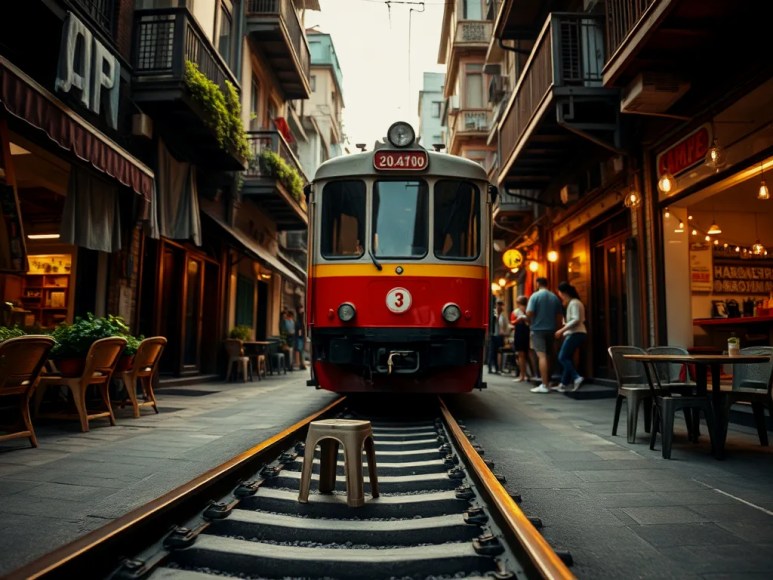
Train Street in Hanoi sits where active railway tracks thread between narrow buildings and sidewalk cafés. Visitors time their arrival to watch wagons glide inches through walls, but the experience demands attention to safety, local rules, and respect for residents. This guide explains when to go, how to plan, what to expect, and concrete tips for photos and transport.
Best times to visit and how the schedule works
Trains pass through Train Street at specific, published times; Arriving 10–15 minutes before a scheduled train gives you space to position yourself and clear before the locomotive arrives. Peak visitor windows fall in the morning and late afternoon. Consult local railway timetables or ask café staff; Times can change for freight, maintenance, or seasonal service. If you want smaller crowds and safer conditions, aim for the first weekday train of the morning.
How to reach Train Street from downtown Hanoi
From Hoan Kiem or the Old Quarter, walk 10–25 minutes depending on your starting point, or take a short motorbike taxi (xe ôm) ride. The nearest metro lines and bus stops place you within a 10–20 minute walk. Use a map app with walking directions and mark the train times before you depart so you’re not surprised on arrival.
Local rules, permissions, and how residents interact with visitors
Authorities periodically restrict access to Train Street for safety or crowd control. Expect temporary closures, fines for stepping onto tracks, or requests from café owners to move back. Residents often continue daily routines—hanging laundry, watering plants, and running small businesses—while negotiating tourist presence. Always comply with signs and staff instructions; respect for private property keeps the site open for visitors.
Practical safety steps to take on arrival
Stand behind clearly marked boundaries and carry a personal plan to clear the track quickly if instructed. Keep children and pets on a short leash or hold them. Avoid props that impede fast movement (tripods or tall props without a helper) during scheduled train times. If you see an oncoming train and people remain on the rails, cooperate with staff or police to evacuate promptly.
Photography: framing, exposure, and timing tips
Shoot low and close to converge the rails and the building façades for dramatic perspective. Use a fast shutter speed (1/500s or faster) to freeze motion if the train is moving quickly; for creative blur, try 1/60–1/125s while panning. In tight alley light, raise ISO moderately or use a wide aperture (f/2.8–f/5.6) to keep subjects sharp. Compose with a leading line from the foreground rails to a vanishing point; include people or café elements to show scale.
Examples of strong photo compositions
1) Low-angle, centered rail: Place the rail in the lower third, letting buildings frame the train as it approaches.
2) Café foreground with train midground: Show cups and chairs blurred slightly to emphasize motion.
3) Portrait with background train: Use a moderate aperture (f/4–f/5.6) to keep both subject and train recognizable while separating layers.
What to bring and what to avoid
Bring a compact camera or phone with manual exposure options, a small travel tripod with a quick-release for group shots, a lightweight bag, and a battery bank. Avoid large professional rigs that block walkways and attract enforcement; bulky equipment can prompt fines or closure requests. Don’t bring intrusive lights or stands that would require plugging into private power.
How long to plan for a visit and nearby activities
Allocate 30–90 minutes depending on how many trains you want to see and whether you’ll stop at cafés. Combine the visit with a walking tour of the Old Quarter, a street-food crawl, or a visit to Hoan Kiem Lake for a half-day itinerary. If you plan photography in golden hour, schedule train times and dining reservations accordingly.
Respectful behavior that keeps Train Street accessible
Keep noise reasonable, avoid touching laundry or personal items, and buy a drink or snack if you linger at a café; patronage offsets added foot traffic. When asked to move, do so promptly. These small acts reduce conflict with residents and lower the chance of stricter restrictions in the future.
Alternatives if Train Street is closed
If access is restricted, seek nearby photo-friendly streets in the Old Quarter with similar narrow-alley character, visit the Long Bien Bridge for railway views from a distance, or take a guided rail-themed photography tour that arranges safe vantage points and permits.
Quick checklist before you go
Time: Verify train schedule. Safety: Bring a small bag, keep clear of rails. Etiquette: Respect residents, buy something if you stay. Gear: Fast shutter settings, spare battery, lightweight tripod. Use this checklist to reduce surprises and maximize your visit.