
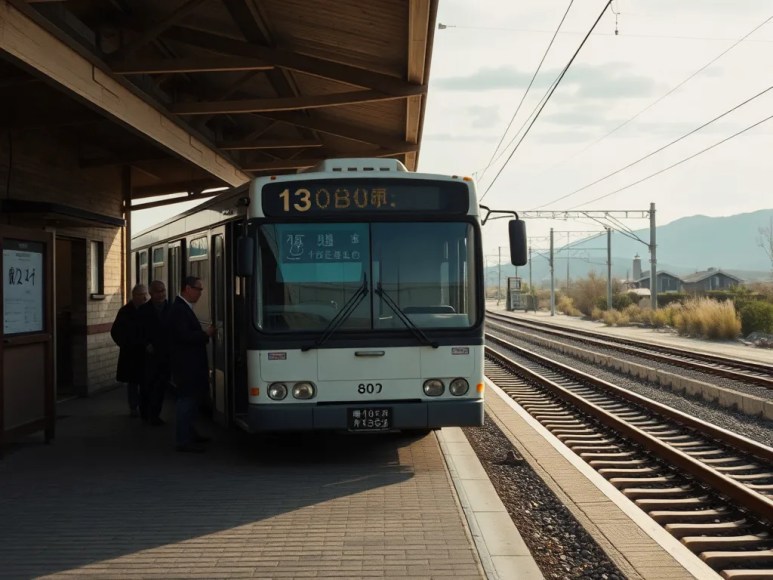
JR West and regional authorities are evaluating a modal shift for the 68.5-kilometer Geibi Line segment between Niimi (Okayama Prefecture) and Shōbara (Hiroshima Prefecture), proposing to replace rail operations with a bus-centered network. The Chugoku Regional Transport Bureau’s draft, presented on 24 November, projects approximately ¥530 million in annual operating savings if the bus option is adopted; the proposal now awaits local council review.
Why propose buses instead of trains?
Cost-efficiency drives the proposal. The draft compares capital and operating costs for both modes: maintaining rail service for this segment would require ¥1.11–¥1.51 billion in upfront investment and roughly ¥740 million per year in operating expenses. In contrast, the bus network option estimates only about ¥20 million in initial investment and around ¥210 million annually to operate. These figures create a clear fiscal incentive for local government stakeholders facing limited budgets and aging infrastructure.
What passenger and revenue data underpin the analysis?
The draft uses 2025 fiscal-year data showing an average of 63 passengers per kilometer per day on the evaluated section. Ticket revenues for that year were approximately ¥20 million while total operating costs, including overhead, reached about ¥700 million. The low farebox recovery ratio for the rail option—ticket income covering only a small fraction of the costs—shapes the economic argument for substitution with buses.
How would local economies be affected?
Transport mode changes influence visitor spending and local economic ripple effects. The draft quantifies annual visitor-expenditure impact at about ¥93 million under the rail scenario but only ¥31 million under the bus scenario. That difference reflects rail’s stronger draw for tourism—heritage rail experiences and scenic train journeys often increase overnight stays and ancillary spending. The numbers suggest localities dependent on rail tourism will need targeted mitigation plans to keep businesses viable if services switch to buses.
What trade-offs should residents and planners consider?
Choose both immediate fiscal relief and long-term access outcomes. Buses reduce direct costs and allow route flexibility, enabling service frequency adjustments and stop reconfiguration tailored to demand. However, trade-offs include potentially slower travel times, reduced tourism appeal, lower passenger comfort for longer trips, and permanence risks—once track operations cease, restoring rail service becomes expensive. Planners should quantify travel-time increases, forecast demand under improved bus schedules, and test rider preferences through pilot services before finalizing changes.
What steps can minimize negative impacts if conversion proceeds?
Implement a phased, evidence-based transition:
1) Conduct door-to-door demand surveys and origin-destination studies to identify core commuter flows and tourist segments that require high-quality service.
2) Trial a bus rapid transit-style pilot on the busiest sections to measure ridership retention when buses offer higher frequency, faster dwell times, and integrated ticketing with JR lines.
3) Invest strategically in stations and interchanges so bus stops replicate convenient transfers and passenger amenities formerly provided by rail stations.
4) Package tourism products around bus-accessible attractions—guided tours, combined-ticket discounts, and seasonal event shuttles—to recapture visitor spending lost from rail’s experiential value.
5) Preserve corridor rights-of-way and maintain minimal rail infrastructure to keep future reinstatement feasible if demographic or economic conditions change.
What is the decision timeline, and what to expect next?
The Geibi Line Reconstruction Council will review the draft and collect community feedback starting in December. The council aims to set final policy by March 2027. Exact implementation dates remain undecided; stakeholders can expect public consultations, scenario studies, and possibly phased pilots before any permanent modal shift.