
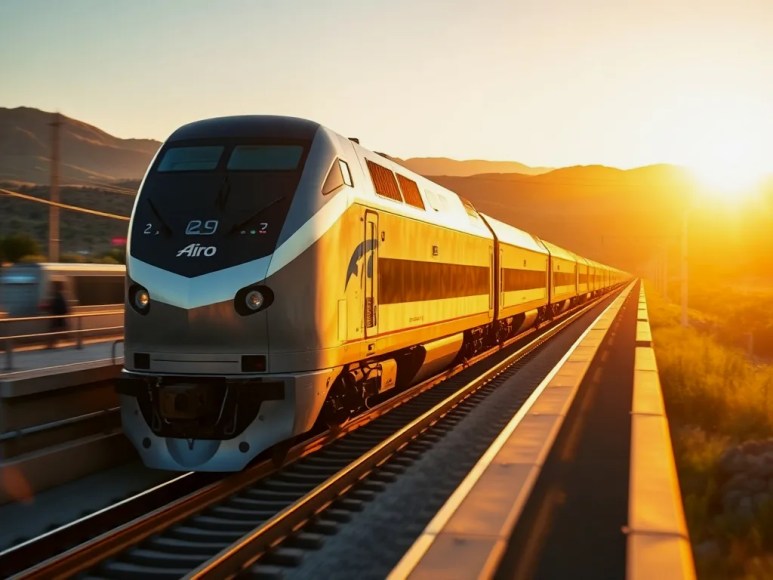
Amtrak expands Airo fleet with ten-car sets and Siemens upgrades for 2031 service
Amtrak will add eight new ten-car train sets to the Northeast Regional route, delivering more than 640 seats per set and increasing peak-period capacity by roughly one third compared with the eight-car Airo configuration. Siemens Mobility will build 80 Venture-series passenger cars and modernize 18 ACS-64 electric locomotives, with the program staged to place the new sets into service beginning in 2031.
What the ten-car configuration changes for passenger capacity and operations
The switch from eight-car Airo trains to ten-car Venture-based sets raises capacity from about 479 seats to over 640 seats per set. That capacity gain comes from two factors: adding two full passenger cars to each set and optimizing interior layouts for higher-density coach seating while preserving comfort on regional runs. For operators this means:
Faster seat availability during peak travel: 34% capacity increase reduces standing and waitlist pressure on high-demand trains.
Platform and yard impacts: Longer train lengths require platform compatibility checks and minor yard reconfiguration in some terminals.
Boarding and dwell time: Additional doors and passenger flow planning are expected to offset dwell-time increases from added length.
How Siemens will build and modernize train systems
Siemens Mobility’s contract covers production of 80 Venture cars at its US facilities and a comprehensive retrofit of 18 ACS-64 locomotives. The modernization scope targets communications, diagnostics, and control systems to match the new trainset operating profile. Key technical elements include:
Electronics and software: Upgraded train control electronics, integrated diagnostics for fault isolation, and modern human-machine interfaces for crews.
Brake and propulsion integration: Electronic pneumatic braking integrated with traction control to enable consistent stopping performance across the longer sets.
Power and performance: Two ACS-64 locomotives per trainset produce a combined peak power near 12.8 MW, supporting 125 mph (about 201 km/h) maximum operating speed under appropriate route clearances.
Why twin-locomotive push-pull operations matter
The ten-car sets will use a push-pull arrangement with a locomotive at each end. Operational advantages include:
Terminal efficiency: Elimination of time-consuming locomotive run-around moves at terminal stations, reducing turnaround time.
Redundancy and reliability: Two locomotives provide failover capability if one unit encounters a fault, increasing on-time performance.
Better traction distribution: Traction at both ends improves acceleration and braking consistency for long regional consists.
Digital systems for predictive maintenance and real-time monitoring
New sets will embed digital monitoring systems that stream equipment condition and event logs in real time. Practical outcomes for operators and maintainers include:
Predictive maintenance: Condition-based alerts prioritize interventions before failures occur, lowering unscheduled downtime.
Remote diagnostics: Technicians can triage faults en route and prepare correct spare parts before the train reaches the maintenance facility.
Performance analysis: Aggregate data enables trend analysis—eg, brake-pad wear rates or HVAC runtime correlated with route maintenance profiles—so schedules shift from calendar-based to usage-based.
Delivery timeline, testing, and fleet integration
Siemens and Amtrak intend to sequence deliveries so that Airo eight-car trains under test continue operations while ten-car Venture sets enter service. Expected milestones:
2027 late: Initial Airo testing and first passenger services from the eight-car configuration.
2028–2030: Staged production, system integration, and progressive testing of ten-car units.
2031: Full entry into service of ten-car Venture-based sets on the Northeast Regional corridor.
Manufacturing footprint and supplier ecosystem benefits
Production will take place at Siemens facilities in California and North Carolina, leveraging roughly 100 US suppliers for subsystems and components. Localized manufacturing supports supply-chain responsiveness and creates skilled manufacturing jobs in the supplier network. Examples of suppliers and contributions include wheelset and bogie suppliers, HVAC and seating manufacturers, and electronics houses handling train control modules.
Operational and passenger-experience implications
For commuters and long-distance regional travelers, the program aims to deliver more available seats, improved onboard diagnostics that reduce delays, and interiors designed for efficient boarding and passenger flow. For Amtrak the benefits are elevated seat-mile capacity, improved fleet reliability through modernized locomotives, and reduced lifecycle costs via predictive maintenance.
Contract specifics and program context
The new order expands Amtrak’s fleet-renewal program that began in 2021; contract value for the eight additional trainsets and the locomotive modernization work was not publicly announced. The program complements earlier Acela and Airo investments and alignments with broader efforts to modernize regional rail capacity across the Northeast corridor.
Be the first to comment