
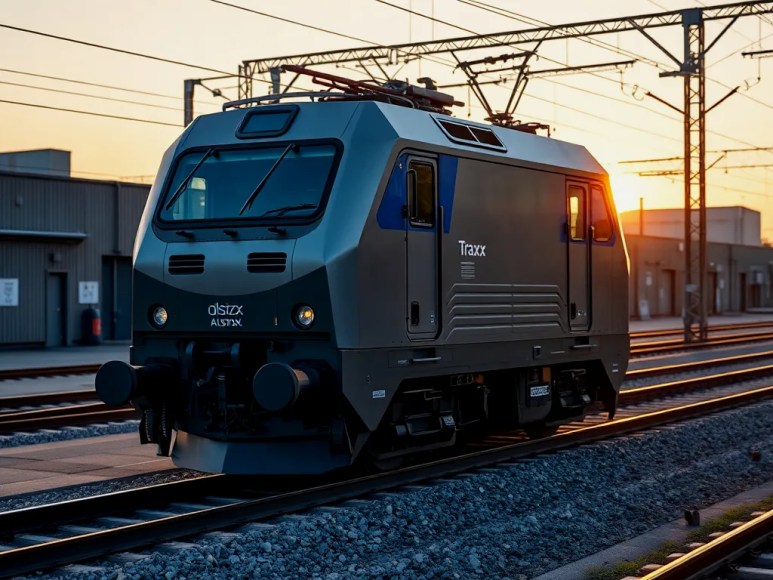
Overview of the Traxx Shunter platform and why it matters
Alstom designed the Traxx Shunter to replace aging shunter fleets while cutting lifecycle emissions and operating costs. The platform combines electric and diesel propulsion in a single modular chassis so operators can run on electrified lines with a pantograph or switch to diesel where catenary is absent. Key technical targets—top speed around 120 km/h, peak power above 2 MW and starting tractive effort near 300 kN—let the unit perform yard shunting, last-mile deliveries and regional freight tasks that older 40-year‑old locomotives cannot handle efficiently.
How the modular architecture delivers flexibility
Modularity underpins every capability of the Traxx Shunter. Alstom built the vehicle so energy modules, traction packs and auxiliary systems can be swapped or upgraded without replacing the entire locomotive. For example, a unit sold today with dual diesel engines and electrical collection can later have diesel modules removed and replaced with battery packs. This staged pathway reduces capital risk for lessees and operators by protecting investment against evolving emissions rules and changing depot infrastructure.
Technical details operators need to know
Core specifications drive operational fit: standard gauge 1,435 mm, axle load about 21 t, ETCS compatibility for mainline operations, top speed ~120 km/h, and over 2 MW peak power. The architecture uses two smaller diesel gensets rather than one large prime mover; This configuration improves fuel efficiency at partial load and enables operation on a single engine during light shunting duties. Predictive maintenance telematics report vibration, gearbox temperature and fuel consumption to reduce unscheduled downtime.
Real-world use cases and examples
Yard shunting and terminal operations: In electrified terminals, pantograph operation eliminates diesel run time and delivers immediate fuel savings. In mixed terminals, diesel mode lets the same locomotive serve non-electrified sidings without costly diesel-only fleets.
Last-mile freight and short regional services: The 120 km/h capability and mainline compatibility let operators route a single unit from mainline freight arrival through last-mile distribution to customer sidings, removing additional shunting steps and reducing unit-hours and crew changes.
Infrastructure and maintenance trains: Modular power and high tractive effort enable use in ballast movement or engineering trains while simplifying reconfiguration for depot support roles.
Economic impact: purchase, leasing and lifecycle costs
Leasing benefits: Traxx Shunter’s adaptability particularly suits leasing companies because reconfiguration between lessees requires less capital work than replacing whole locomotives. Northrail’s framework deal with Alstom illustrates this: a potential pool of up to 100 units lets leasing fleets match demand fluctuations while offering ten-year maintenance packages.
Fuel and maintenance savings: Alstom projects fuel reductions up to 60% under favorable electrification mixes and duty cycles. Two smaller gensets cut part-load fuel burn; Predictive maintenance reduces spare-part stock and unplanned repairs. Operators should model route electrification percentage, average load factors and stop/start intensity to quantify expected savings for their network.
How to evaluate if a Traxx Shunter fits your operations — step-by-step
1) Map duty cycles: Record percentage of time on electrified infrastructure, average train mass, number of starts per hour and typical consist lengths. Estimate how often the pantograph would be used versus diesel mode.
2) Simulate energy use: Use recorded duty cycles to simulate fuel vs electric consumption. Include auxiliary loads (cooling, heating, onboard services) to get realistic energy use.
3) Compare lifecycle costs: Calculate total cost of ownership over 10–15 years including acquisition or lease, fuel/energy, scheduled maintenance, predictive diagnostics subscriptions and end-of-life reconfiguration costs.
4) Plan depot alterations: Assess whether pantograph maintenance, battery swap space and diesel servicing can be accommodated in existing depots or require investment.
5) Decide procurement route: Choose between direct purchase, long-term lease with maintenance, or framework agreements that allow fleet scaling as demand evolves.
Transition path to battery operation and compliance with future regulations
Battery conversion is a practical retrofit path. The Traxx Shunter’s modular power bays allow replacement of diesel gensets with battery modules when energy densities and charging infrastructure make the economics favourable. Operators can adopt a phased retrofit plan: initial mixed-mode deployments, pilot battery retrofits on low-duty units, then wider roll-out aligned with depot charging rollout. This staged approach avoids stranded assets and eases compliance with tightening emissions zones.
Evidence from the Northrail framework and expected rollout
The Northrail–Alstom frame agreement highlights market demand for flexible shunters. The initial tranche of units for Germany comes with ten-year maintenance contracts and delivery planned from late 2029, showing how manufacturers and lessors combine procurement and service to lower operator risk. The framework’s maximum of 100 units does not guarantee full take-up, but it sets a price and delivery precedent for other European markets.
Risks, limitations and mitigation strategies
Risk: conversion timing and technology readiness. Battery capacity and charging infrastructure may lag local needs; mitigate by selecting staggered retrofit windows and partnering with energy providers.
Risk: depot compatibility. Some depots require upgrades for pantograph servicing or battery charging; run a depot readiness audit and phase works to limit operational disruption.
Risk: mixed fleet complexity. Mixing legacy shunters and Traxx Shunters raises training and spares complexity; invest in commonality targets and cross-training programs.
What operators should do next
Run a pilot deployment: Select a corridor with both electrified and non-electrified segments, lease one to three units and measure fuel, utilization and maintenance metrics across 12 months.
Engage lessors and OEMs early: Use framework agreements to negotiate performance-based maintenance and upgrade clauses that allow conversion to battery packs when economically viable.
Search-focused FAQs and concise answers to capture featured snippets
What is the Traxx Shunter? A modular mixed-mode locomotive that operates from catenary or diesel gensets and is designed for shunting, last-mile freight and regional duties.
How much fuel can it save? Up to about 60% fuel reduction in optimal mixed electrification scenarios, depending on duty cycle and electrified track percentage.
Can it be converted to battery power? Yes; the platform is designed to replace diesel modules with battery packs as energy technology and infrastructure mature.
When will units be delivered? Initial deliveries from the Northrail frame agreement are planned to begin in late 2029 for the confirmed orders.