
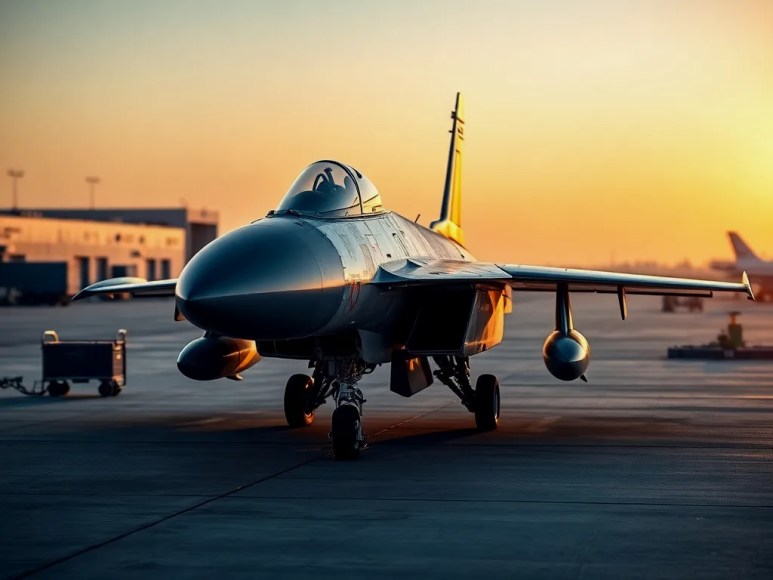
Rostec confirms recent Su-34 deliveries to the Russian Ministry of Defense
Rostec announced on 17 November 2026 that the United Aircraft Corporation (UAC) delivered newly produced Su-34 fighter-bombers to the Russian Ministry of Defense. Factory flight tests and required ground checks completed before handover, and the Russian Aerospace Forces (VKS) accepted the aircraft into service. The company did not disclose the number of aircraft in this delivery.
How many Su-34 deliveries occurred in 2026 and what the announcements mean
Officials publicized three separate Su-34 delivery announcements during 2026 (9 July, 7 October and 17 November). Those three press statements indicate three delivery events, not necessarily three aircraft. Manufacturers often announce batches without publishing exact counts; Deliveries can range from single aircraft to multi-aircraft lots depending on the state defense order, production cycle and test completion. Rostec and UAC explicitly withheld precise numbers for the November shipment.
What type of validation the aircraft undergo before delivery
Before formal transfer, Su-34 airframes undergo a sequence of acceptance procedures: factory functional checks, ground system verification, engine run-ups, and supervised test flights validating avionics, navigation and weapons-flight interfaces. After factory acceptance, receiving unit crews perform post-delivery integration, which includes unit-level checks, weapons integration trials and pilot conversion flights to certify operational readiness. Delivery does not equal instant frontline availability; logistics, crew training and systems integration determine when aircraft perform missions regularly.
Key capabilities of the Su-34 and mission roles it fills
The Su-34 is a twin-engine, two-seat multirole fighter-bomber optimized for strike missions against land and sea targets while retaining limited air-to-air capability. Its notable strengths include extended operational range, substantial payload capacity for guided and glide munitions, and an avionics suite that supports terrain-following navigation, precision targeting and electronic warfare support. Field reports indicate continued use of Su-34s for long-range strike sorties and for deploying precision-guided munitions in contested environments.
Production and modernization efforts inside UAC and Rostec
UAC leadership, including CEO Vadim Badeha, stated that factories are refining production flows and implementing improvements to aircraft technical characteristics. Modernization work targets flight systems, avionics and electronic warfare packages to extend mission flexibility and survivability. Examples of iterative upgrades include enhanced mission computers, updated datalinks for better joint operations and integration of newer guided munitions. Rostec positions these improvements as part of state defense orders that prioritize both quantity and incremental capability growth.
How Su-34 deliveries relate to broader Russian fighter production in 2026
Alongside the Su-34, Russian industry continued delivering other types: Su-35S, Su-30SM2 and Su-57 aircraft. Public statements through 18 November 2026 listed at least three Su-35S batches, at least one Su-30SM2 batch and at least two Su-57 batches in 2026. These announcements together amounted to nine reported delivery events across four types, though actual aircraft numbers per event remain unspecified. The diverse pipeline shows parallel sustainment of strike, air superiority and fifth-generation programs.
Operational implications: readiness, training and sustainment
Receiving a delivered aircraft requires more than paperwork; Units must complete pilot conversion, ground-crew training, and establish logistics and spares chains. For example, a single Su-34 squadron activation might follow a multi-step timeline: receive aircraft and documentation; conduct maintenance-crew familiarization (1–3 weeks); run post-delivery functional checks and weapon trials (2–4 weeks); schedule pilot conversion sorties and mission profiles (3–6 weeks); and integrate aircraft into tasking cycles once maintenance and mission-support elements meet unit standards. Delays in any step postpone operational deployment.
What to watch next: indicators of further deliveries and capability upgrades
Future public indicators include additional Rostec or UAC release dates, defense ministry procurement lists and satellite or spotting imagery of production facilities and airbases receiving Su-34s. Capability-focused signs to monitor: updated avionics serial numbers, new weapon integration trials, and declared modernization contracts. Official statements on total numbers for 2026 are likely to appear only after contracts reach milestone completion or when aggregated in annual procurement reports.
Contextual examples and data points
Historic patterns show that Russian OEMs sometimes announce deliveries in batches tied to state defense order tranches. For instance, earlier multi-aircraft deliveries to frontline units have coincided with upgrades to factory throughput, staff hiring and supply-chain stabilization. When factory throughput increases, expect shorter intervals between announced batches and occasional disclosure of specific aircraft counts once logistics and certification complete.
Bottom line: continued production, limited public detail
Rostec’s November announcement confirms continued Su-34 production and delivery under state contracts in 2026. The company and defense ministry maintain a pattern of announcing delivery events without disclosing precise quantities; operational readiness for each aircraft depends on post-delivery checks, crew training and systems integration rather than the mere act of handover.