
New Delhi signs modernization deal with Israel Aerospace Industries
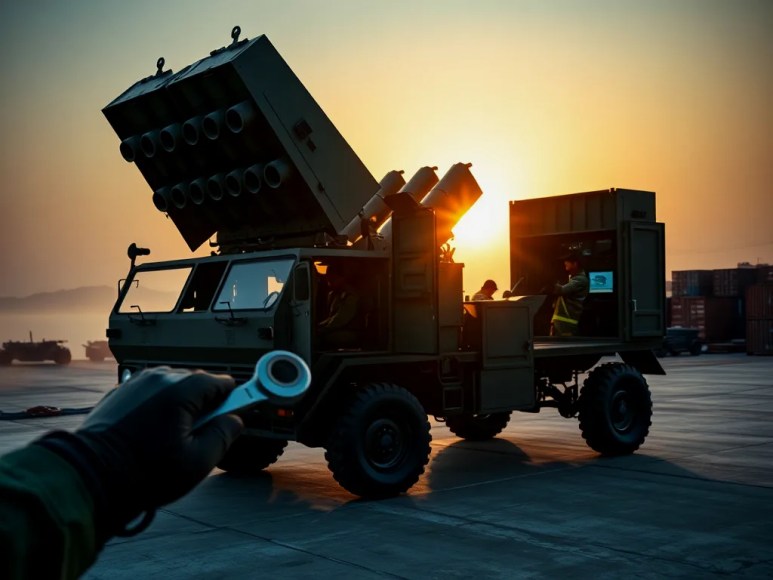
India’s Ministry of Defense signed a contract worth 1,976.40 crore rupees (about $211.5 million) with Israel Aerospace Industries (IAI) to modernize Barak point-defense air-defense systems deployed on its navy ships. The deal focuses on refreshing hardware and software, managing technological obsolescence, and extending the operational life of combat-deck air-defense capabilities rather than buying entirely new missile systems.
What the modernization covers: hardware, software, and sustainment
The program updates electronic subsystems, replaces aging circuit boards and processors, and installs new firmware and tactical software suites that restore full mission capability. It also includes logistics improvements: a defined spares pipeline, obsolescence mitigation plans, and updated diagnostic tools to reduce mean time to repair (MTTR) for fleet technicians. Together, these measures aim to increase system availability rates and lower lifecycle costs compared with full platform replacement.
Why India chose modernization over new procurement
Modernizing existing Barak installations preserves the return on prior investments in ship integration and combat-system architecture. India reduces risk by retaining known system interfaces with radar, combat-management systems and fire-control solutions while gaining improved performance. This approach shortens delivery timelines and allows phased rollouts by shipyard availability, enabling the navy to maintain higher at-sea readiness during upgrades.
Operational benefits and expected outcomes for the Indian Navy
Upgraded electronics and software will enable quicker target processing, improved countermeasure resilience, and compatibility with modern tactical datalinks. Practically, crews should see faster reaction times against sea-skimming anti-ship missiles and better layered defense coordination. The program also supports longer depot intervals and more predictable sustainment budgeting, which benefits operational planning across destroyers and frigates that currently host Barak systems.
Barak-1’s service history and platforms affected
Barak-1 entered Indian service after procurement agreements in the early 2000s and has protected platforms including INS Vikramaditya, Delhi- and Rajput-class destroyers, and Shivalik- and Brahmaputra-class frigates. Years of deployment created pressure on obsolescence, spare-parts availability, and software compatibility. This contract directly addresses those life-cycle gaps by modernizing the fleet installations rather than undertaking complex re-integration projects for brand-new missile families.
How implementation will likely be phased
The ministry did not publish a ship-by-ship timeline, but typical naval modernization follows a phased cadence:
1. Survey and baseline assessment: Shipboard teams verify configuration variants and failure histories to prioritize upgrades.
2. Depot-level hardware swaps: Defective and obsolete modules are removed and replaced under controlled dockyard conditions.
3. Software load and validation: New firmware and tactical suites are installed and subjected to hardware-in-the-loop checks and simulation-based regression tests.
4. Sea trials and integration checks: Updated systems undergo at-sea acceptance trials to validate tracking, engagement timelines, and interoperability with ship sensors.
5. Fleet rollout and logistics sustainment: After successful trials on lead ships, the program scales to the remaining units and institutes supply-chain contracts for spares and technical support.
IAI–India defense cooperation and strategic context
The contract continues a long-running India–Israel defense partnership focused on transferring specialized technologies and lifecycle support. For India, pairing modernization programs with selective new procurements helps balance capability growth and fiscal discipline. For IAI, sustaining installed systems across partner navies ensures recurring revenue in engineering updates, spares and in-service support.
What remains unanswered and what to watch for
The ministry withheld the exact list of ships and delivery milestones, so key unknowns include how many platforms will be upgraded in this tranche and whether any follow-on contracts will expand to advanced variants such as Barak-8 integration. Watch for future MoD releases that will specify batch schedules, ship classes covered, and technical performance guarantees that signal the program’s final scope and expected impact on fleet air defense posture.
Be the first to comment