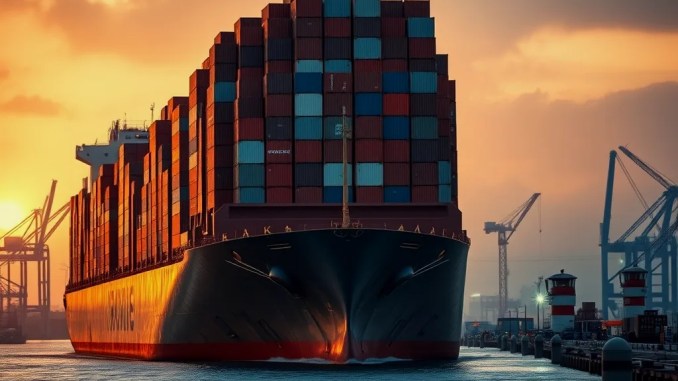
The oil market faces unprecedented turmoil as tensions in the Middle East and surrounding regions escalate, threatening vital shipping lanes and pipelines essential to the world’s energy flow. Brent crude prices surge past $107 per barrel, reflecting mounting fears of disruptions that could ripple across global economies. This turbulence underscores the vulnerability of critical transportation routes and the urgent need for strategic adaptations by oil traders, governments, and energy companies. Rising Oil Prices Signal Heightened Market Anxiety Oil prices have experienced a sharp increase, breaking the $107 barrier, driven by fears that ongoing conflicts and regional conflicts will severely impede supply chains. Factors contributing to this spike include geopolitical tensions, military confrontations, and the risk of attacks on key maritime corridors. As a result, market participants scramble to assess the potential impact on future supply, prompting a reevaluation of risk premiums embedded in current prices. The Strategic Importance of the Bab el-Mandeb Strait The Bab el-Mandeb Strait stands as a crucial chokepoint for global oil shipments, serving as the gateway from the Red Sea to the Gulf of Aden. Any disruption here could force tankers to reroute around Africa’s southern tip via the Cape of Good Hope, significantly increasing voyage durations by approximately 22 days and doubling transportation costs. *This alternative route, while viable, introduces new vulnerabilities:* – Extended Shipping Time: Longer voyage translates into higher fuel consumption and increased operational risks. – Elevated Costs: Surge in freight rates due to longer routes and tanker scarcity. – Security Concerns: Increased exposure to piracy and regional instability. Record-Low Tanker Availability and Soaring Freight Rates As geopolitical tensions intensify, tanker availability diminishes sharply, pushing freight rates to record highs. The surge results from a combination of factors: – Limited Fleet Capacity: Ships are already operating at maximum utilization. – Conversion and Scrapping of Older Tankers: Reduction in available vessels. – Risk Premiums: Insurance and security costs rise amid conflict zones. This confluence causes a ripple effect across the shipping industry, translating into higher costs for producers and consumers alike. The shift emphasizes the delicate balance between supply chain resilience and cost efficiency. The Suez Canal Versus Alternative Routes The Suez Canal remains a primary artery for oil shipments, offering a direct route between the Middle East and Europe. However, crises in the region threaten to disrupt this vital conduit. When safety concerns escalate, ships face the choice of rerouting around Africa—a journey that can extend shipping times by weeks. *The operational decision process involves:* – Cost-Benefit Analysis: Weighing increased freight and insurance costs against safety. – Strategic Risk Management: Diversifying routes to prevent complete supply chain disruption. – Long-term Planning: Investing in infrastructure and alternative ways to mitigate future risks. Drones and Attacks on Critical Infrastructure Adding to the instability, high-profile drone strikes targeted key energy infrastructure, including pipelines and depots in the Middle East. Particularly concerning is the attack on the oil pipeline that transports approximately 4-5 million barrels daily—highlighting the increasing vulnerability of energy transport channels. *Implications include:* – Supply Interruptions: Immediate halts in oil flow, causing price jumps. – Geopolitical Tensions: Heightened mistrust and retaliatory actions. – Market Volatility: Traders respond swiftly to perceived threats, often exacerbating price swings. Strategic Resilience and Future Outlook In light of these developments, stakeholders are rushing to bolster resilience against disruptions. Steps include: – Diversifying Energy Sources: Investing in renewables and alternative energy to lessen dependency. – Developing New Infrastructure: Building or upgrading pipelines bypassing risk-heavy zones. – Enhancing Security Measures: Deploying advanced surveillance and defense systems for critical routes. – Agreeing on International Maritime Security Protocols: Strengthening cooperation among navies and international agencies. Conclusion The current surge in oil prices coupled with regional conflicts underscores a fragile global energy infrastructure under threat. As maritime routes become increasingly perilous and pipelines vulnerable, adaptation and diversification will become vital. Governments and private enterprises must act swiftly to mitigate risks, ensuring stability in energy markets and safeguarding economic growth. FAQs Q1: What causes oil prices to spike during regional conflicts? A1: Oil prices spike due to fears of supply disruptions, increased transportation costs, and heightened geopolitical risks affecting key transit routes. Q2: How does rerouting around Africa impact shipping costs? A2: Rerouting lengthens voyage durations by around 22 days, increases fuel consumption, and raises insurance and operational costs. Q3: Why are tanker freight rates reaching record levels? A3: Limited vessel availability, higher insurance premiums, and increased risk due to regional conflicts drive freight rates to historic highs. Q4: What measures can improve energy transport security? A4: Implementing diversified routes, investing in infrastructure, enhancing security protocols, and fostering international cooperation can improve resilience. Q5: How do drone attacks influence energy markets? A5: Drones targeting pipelines cause immediate supply disruptions, escalate geopolitical tensions, and lead to price volatility in global markets.