The High-Stakes Battle Behind the $85 Billion Railroad Merger
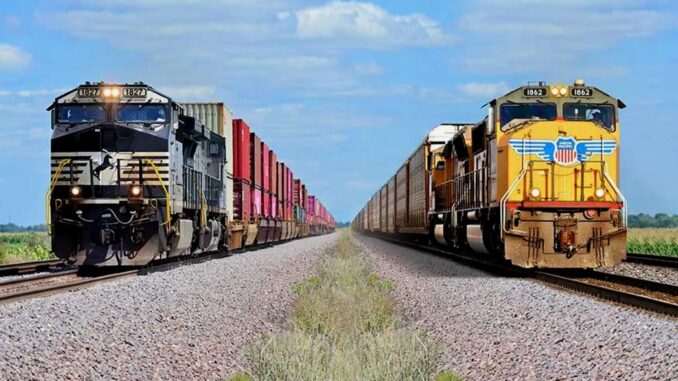
The proposed mega-merger between Union Pacific (UP) and Norfolk Southern (NS), valued at a staggering $85 billion, threatens to reshape the entire landscape of North American freight transportation. This deal has ignited fierce opposition from industry rivals and regulators alike, highlighting the challenge of balancing corporate ambition with competitive fairness in a critical infrastructure sector.
What is Driving the Regulatory Opposition?
The Surface Transportation Board (STB), responsible for overseeing such large infrastructure deals, initially rejected the merger application earlier this year. The primary concern revolves around antitrust issues and the potential for market dominance that could restrict competition in freight rail services. The STB outlined clear conditions necessary for approval, including detailed market analysis and the sale of certain assets such as the St. Louis Terminal Railroad Authority (TRRA).
However, the upstream opposition from rivals like Canadian National (CN) and CPKC reveals widespread doubts about the merger’s adherence to fair competition principles. Olivier Chouc, CN’s General Counsel, pointed out that UP and NS’s revised submissions failed to address the core issues, such as the impact on regional markets and the potential monopolization of key corridors.
Industry Rivals and Their Concerns
Leading freight companies like CSX, CPKC, and Canadian National openly criticize the merger, arguing that it would significantly reduce rail competition and increase shipping costs for American consumers. They emphasize that the current application lacks transparency regarding potential market share shifts and service quality impacts. Notably, CSX insists that the application should not be approved in its present form, especially without robust data supporting claims of increased efficiency.
Key issues raised by opponents include:
- Insufficient market share analysis demonstrating actual benefits to consumers.
- Absence of detailed impact assessments on small and regional rail shippers.
- Failure to address regulatory obligations related to asset divestitures like the TRRA sale.
- Overlooked potential erosion of competition in critical corridors, especially around major hubs like St. Louis and Kansas City.
The Proposed Justifications and Counterarguments
UP and NS defend the merger as essential for creating a more efficient, resilient, and competitive freight network. They argue that consolidating operations will enable faster intermodal shipments, lower transportation costs, and generate billions of dollars in annual savings — an estimated $3.5 billion for US consumers each year.
Additionally, proponents claim that the merger would foster new job creation, particularly in railway and logistics services, and enhance safety protocols through integrated operational standards. They push the narrative that the deal aligns with broader industry modernization efforts and will improve service reliability amid ongoing global supply chain disruptions.
The Regulatory Review Process and Its Critical Timeline
The STB plans to finalize its review by the end of this month, after collecting latest comments from both sides. This decision hinges solely on whether the application meets procedural standards, not on its ultimate merits or economic benefits. If accepted, the merger could proceed toward detailed antitrust investigations and market impact analyses.
Given the complex web of legal and economic hurdles, the fate of this $85 billion deal remains uncertain. Opponents are prepared to escalate their challenge if the STB greenlights the application without addressing fundamental concerns about market dominance and competitive fairness.
Implications for North American Freight Transportation
If approved, the Union Pacific and Norfolk Southern merger could mark the most significant consolidation in the history of North American railroads, potentially controlling nearly half of the freight traffic across the US. This would set a precedent for future industry mergers, forcing policymakers and regulators to rethink how to balance efficiency gains with market competitiveness.
Conversely, if the merger is blocked, it could signal a shift toward more stringent antitrust enforcement, encouraging companies to prioritize organic growth and collaborative partnerships over large-scale acquisitions. Either outcome will profoundly influence transportation policies, regional economies, and even consumer prices in the coming years.