Unveiling Greece’s Military Modernization Strategy: What’s Next for the Hellenic Defense?
Greece is embarking on a comprehensive overhaul of its military capabilities—a move driven by evolving regional security dynamics and technological advancements. The country aims to significantly enhance its air, naval, and ground forces through targeted modernization projects, with a focus on integrating cutting-edge technology and expanding operational readiness. Over the coming years, Greece’s defense upgrades will position it as a formidable regional power, capable of addressing both traditional threats and modern warfare challenges.
Expanding the F-16 Viper Fleet: Strengthening Air Power
The core of Greece’s air force modernization hinges on upgrading its F-16 Block 50 aircraft to the Viper standard. Currently, Greece has initiated the process with plans to upgrade 38 aircraft, which involves a partnership with the United States. This upgrade is vital because it boosts the aircraft’s capabilities with advanced avionics, weapon systems, and radar—transforming older jets into near-fifth-generation fighters.
The modernization effort is projected to cost around €1.1 billion, with the Greek government awaiting formal approval from Washington. Once approved, the process involves meticulous planning to upgrade existing jets, roughly maintaining the current fleet size but greatly increasing their operational effectiveness. As the upgrade nears completion, Greece anticipates increasing its F-16 fleet to 121 Vipers, ensuring a robust air combat posture capable of deterring regional threats.
This move aligns with Greece’s broader goal of maintaining air superiority, particularly in the Aegean and Eastern Mediterranean regions where regional tensions remain high.
Naval Modernization: Upgrading the Fleet with FREMM Frigates
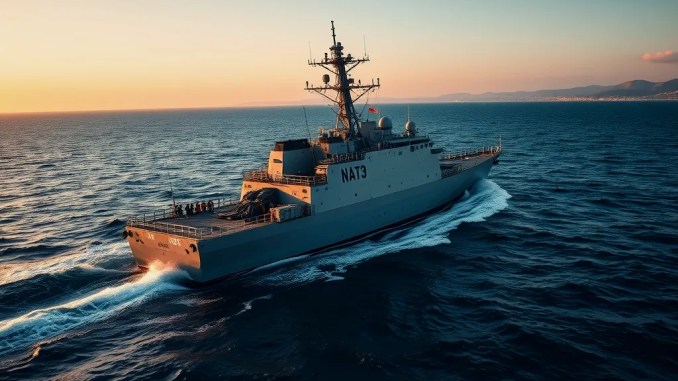
Greece’s ambitions in naval power are equally ambitious. The country plans to acquire two second-hand FREMM Bergamini-class frigates from Italy, a move that will significantly bolster its maritime defense capabilities. The deal, initially expected to finalize sooner, has experienced delays, pushing the delivery timeline to 2028-2030.
These advanced frigates feature the CAPTAS-4 sonar system, which enables superior anti-submarine warfare (ASW). The integration of this sonar ensures Greece can detect and neutralize submarine threats with heightened precision. Furthermore, the frigates will be equipped with Aster missile systems, advanced radar, and modern combat management systems, aligning with NATO standards and enhancing Greece’s interoperability.
Greece also plans to adopt a