
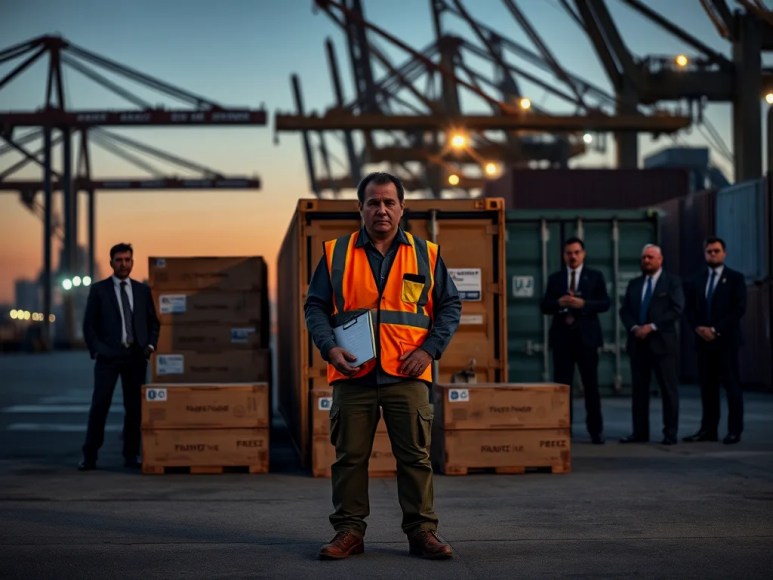
The UK government announced targeted sanctions against eight construction, property and architectural firms for their role in expanding settlements in the occupied West Bank and added the Tzav 9 group for obstructing humanitarian aid to Gaza. Measures include asset freezes and bans on serving as company officers, timed as key procurement steps in the E1 settlement project approach.
Which companies are sanctioned and what will happen to their UK assets?
The sanctions list names Har Hevron Development Company Ltd; Hemdat Shomron Ltd; SAG (Velvel) Construction and Development Ltd; Lev HaHar Yazamut Ltd; Harey Zahav; Ariel Residential Judea & Samaria Ltd; Ami Gvirtzman Architects 2021 Ltd; and ZF Building Company Ltd. The UK will:
• Freeze any assets these firms hold under UK jurisdiction.
• Prohibit directors and senior officers of these companies from carrying out company directorships or regulated activities in the UK.
These steps cut off access to the UK financial system and restrict business operations that depend on UK banking, payment services or professional intermediaries. The intention is to reduce the financial and operational incentives for firms to participate in settlement expansion.
Why did the UK focus on E1 and how does that change the practical risks for businesses?
The UK cites E1 — a planning area east of Jerusalem — as a project that could sever the territorial continuity between the West Bank and East Jerusalem, undermining the viability of a contiguous Palestinian state. Practically, the sanctions create these additional business risks:
• Contract and financing disruption: International lenders and contractors that interact with the UK market will avoid working with sanctioned entities to limit secondary sanctions and compliance exposure.
• Reputational impact: Public listing on a sanctions roll can lead private-sector clients to withdraw contracts or decline bids.
• Supply chain constraints: Suppliers and service providers based in or dealing with the UK may stop deliveries or services.
How does the Tzav 9 designation affect humanitarian operations to Gaza?
The UK added Tzav 9 based on its asserted role in blocking humanitarian convoys into Gaza up to October 2026. The designation aims to pressure actors obstructing aid flows by limiting their ability to access international funds and services. Operational consequences include:
• Hindered logistics for groups linked to Tzav 9: Any organizations or individuals collaborating with or controlled by Tzav 9 will face restrictions that complicate transportation, procurement and contracting.
• Diplomatic leverage: The measure signals to other states and international organizations the UK’s stance on unhindered humanitarian access, potentially prompting coordinated countermeasures or increased diplomatic pressure.
What humanitarian context did the UK cite when announcing the package?
The Foreign Office referenced worsening shelter and aid conditions in Gaza after floods and winter onset: roughly 4,000 households lost homes in a flood event and an estimated 1.4 million people live in tents or makeshift shelters. UN figures cited by the UK indicated that over 150,000 tents and 300,000 tarpaulins remained outside Gaza, and timber import restrictions imposed reconstruction and emergency shelter work.
The UK paired the sanctions with additional humanitarian steps, notably a £5 million top-up for UNICEF’s winter programs announced on 12 November. Officials framed the sanctions as complementary to diplomatic and aid efforts to relieve civilian suffering while pressing settlement expansion.
How will the UK enforce these measures and what legal tools will it use?
Enforcement relies on UK domestic sanctions law: asset freezes block access to funds and economic resources; designation as an officer ban prevents registered company directorships; and ancillary powers allow penalties or prosecutions for evasion. The UK government will publish guidance clarifying scope — for example, how to assess indirect control and when third-party entities risk breaching rules by assisting sanctioned parties.
Compliance teams should take these practical steps immediately:
1. Screen counterparties and suppliers against the new list.
2. Pause transactions if there is any exposure until legal clearance is obtained.
3. Seek specialist sanctions advice for complex ownership or joint-venture structures tied to the listed entities.
What are likely next moves by affected parties and third states?
Companies named on the list may attempt legal challenges in UK courts, seek license carve-outs for humanitarian or limited commercial activity, or restructure ownership to distance UK-linked assets. Third countries will weigh parallel measures: some may echo the UK to maximize pressure, others may resist citing trade or strategic ties. Multilateral coordination would increase the measures’ effectiveness.
Key takeaways for investors, aid organizations and contractors
For investors: Reassess exposure to developers and supply chains active in Israeli settlements; factor sanction risk into valuation and due diligence.
For humanitarian agencies: Anticipate tougher vetting for local partners operating near or within restricted areas; Plan contingency logistics if entities involved in aid delivery become restricted.
For contractors and architects: Avoid participating in projects likely to trigger listings; document compliance checks and maintain clear contractual provisions addressing sanctions.
The UK’s 17 November decision underscores how targeted financial measures are being used alongside diplomacy and aid funding to influence on-the-ground developments in the occupied territories and humanitarian access to Gaza.