
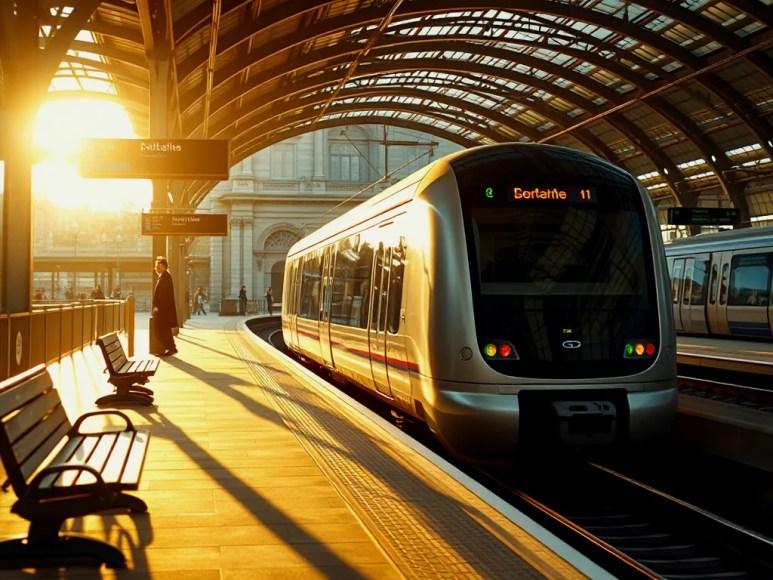
New platform and west entrance to increase capacity by 2029
Network Rail plans to add a fifth platform and a west entrance at Oxford Station to meet projected passenger demand and enable the East West Rail services and the reinstatement of the Cowley branch line. Preparatory work is scheduled to begin in early 2027 if funding approval and the main construction contract are secured; the program targets completion in summer 2029. The scheme concentrates on operational capacity, passenger flow, and connections to local transport rather than cosmetic station upgrades.
Why the extra platform matters now
The station handled approximately 8.51 million passenger entries and exits between April 2025 and March 2026, creating pinch points on platforms and concourses during peak hours. A fifth platform provides tangible operational benefits: it allows simultaneous arrivals and departures, reduces platform dwell-time conflicts, and creates timetable for additional services. For example, segregating terminating local trains from through services can reduce knock-on delays by up to 10–15% in comparable UK projects where an extra platform was added.
How the west entrance improves passenger flows and access
The proposed west entrance will create a second primary access point, shortening walking distances for many journeys and unlocking direct links to western approaches and bus stops. Network Rail expects reduced crowding through the main historic concourse and improved interchange times for passengers connecting to local buses or active travel routes. Design intent prioritises step-free routes and clear wayfinding; architects will stage construction to keep existing entrances operational during peak periods.
Construction staging and traffic management near Sheepwash
Construction requires new road and rail bridges in the Sheepwash area. To build these, Roger Dudman Way will close to motor traffic for about 20 months, while footpaths and cycleways remain open where feasible. The closure sequencing will follow a step-by-step plan: initial site setup and utility diversions (months 0–6), bridge foundations and track works (months 6–14), bridge superstructure and track reinstatement (months 14–20). This phased approach reduces risk to rail operations and maintains pedestrian access along temporary routes.
Costs, funding status and what’s excluded
The project’s cost estimate has risen from an initial £161 million to approximately £237.4 million. That figure covers station works up to—but not including—the full cost of the final stage that adds the new platform and west entrance. Network Rail is seeking final funding approval; until the funding package and main contractor are in place, program dates and total budget remain provisional. Historical inflation, supply-chain adjustments for steel and concrete, and scope refinements commonly drive such revisions.
Operational impact and when new services might start
Completion of the station works is intended to create capacity for new services, particularly East West Rail connections and potential services on the Cowley branch. However, Network Rail has not published a definitive start date for new timetabled services. Once construction completes, operators must secure rolling stock, driver training, and timetable paths; that typically adds 6–18 months between infrastructure readiness and the introduction of new passenger services.
Passenger and local benefits: short-term and long-term
Short-term benefits include reduced on-platform crowding, improved circulation, and clearer route choices for westbound travellers. Long-term benefits extend to economic development around the station: better access supports bus-to-train interchange, encourages cycling via improved West Gate access, and enables frequent connections that local employers and universities rely on. Restoring the Cowley branch could support industrial site access and boost local rail-commuting options.
Practical implications during construction for travellers
Passengers should expect temporary changes to drop-off points and signage, occasional platform closures for night-time works, and clearly communicated diversion routes. Advance notices, timetable supplements, and defined alternative travel arrangements for affected journeys will limit disruption. Stakeholders typically coordinate rail replacement buses and maintain priority access for people with reduced mobility throughout the works.
Questions travelers commonly ask (and concise answers)
When will the station upgrades finish? Network Rail targets summer 2029, subject to funding and contract awards.
Will the station remain open during construction? Yes — works will be staged to keep the station operational with temporary access arrangements.
How long will road closures last? Roger Dudman Way is expected to close to vehicles for around 20 months while preserving pedestrian and cycle access where safe.
Are new train services confirmed? Take note; infrastructure work is a prerequisite but operators must confirm rolling stock and timetables separately.
What to watch next
Monitor Network Rail updates for funding announcements and the signing of the main construction contract. Post-award documents usually include a detailed works program and community impact mitigations. Local council planning consents and traffic management orders will also give practical timelines for the Roger Dudman Way closure and reinstatement phases.