
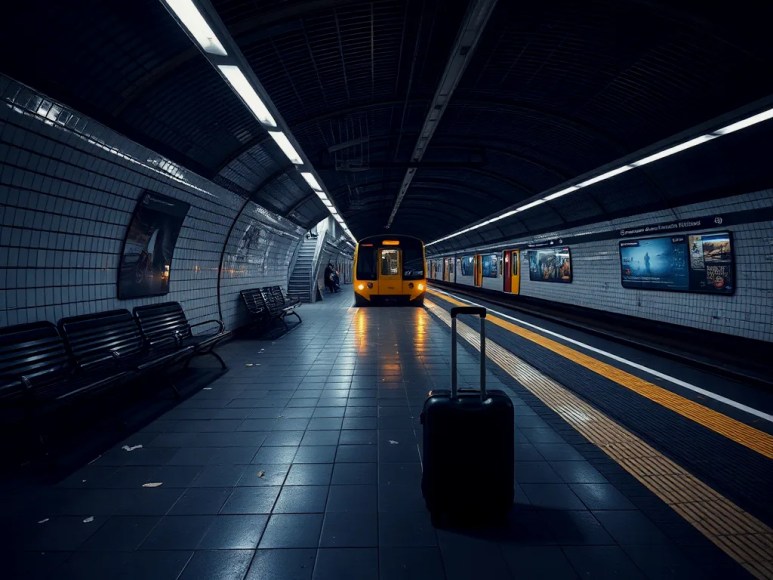
Overview of the 20–21 November Piccadilly Line action and who it affects
Service control staff on the Piccadilly Line will strike from 23:59 on 20 November to 23:59 on 21 November 2026. Transport for London (TfL) warns that restoration work and operational impacts meant knock-on disruption could last into Saturday evening. The stoppage directly affects all Piccadilly Line journeys — including the critical Heathrow connections — and will reduce District Line services where lines share infrastructure around the Ealing Common depot.
Which routes and services will stop or run reduced
Expect full suspension of Piccadilly Line train services from late morning Friday into Saturday evening, with no Night Tube on Friday night. District Line trains between Earl’s Court and Richmond/Ealing Broadway will not run from Friday afternoon until Saturday evening because the two lines share depot infrastructure. The remaining District services will operate at a reduced frequency. Elizabeth Line, DLR, London Overground, trams and buses remain scheduled to run but will likely experience heavy crowding as passengers re-route.
Heathrow travel: best alternatives and realistic timings
If you plan to travel to or from Heathrow during the strike, choose the Elizabeth Line where possible — it provides a high-capacity, direct link from central London to Heathrow terminals and will be the least-worst rail option. Add at least 45–90 minutes to journey times compared with a normal Piccadilly Line trip to allow for walking between interchanges, longer boarding times and bus replacement legs. Example: a usual Piccadilly run from central London to Heathrow that takes 50–60 minutes might take 90–150 minutes via Elizabeth/Overground plus bus segments during peak re-routing.
How to plan a Heathrow journey step-by-step during the strike
1. Check live TfL updates and TfL Go app before leaving. 2. If you can, move flights to earlier in the week or later days; if not, reschedule arrival/departure times to avoid Friday afternoon and Saturday evening peaks. 3. Use the Elizabeth Line to Paddington or central interchanges, then transfer to Heathrow services. 4. Consider Heathrow Express from Paddington only if time and fare justify it — it is faster but costlier. 5. If forced to use a bus replacement route, arrive at the bus stop 20–30 minutes early and allow for road congestion. 6. Keep contingency funds for taxi or ride-hail options for the final leg if connections fail.
Local West London travel: practical alternatives and expected crowding
For travel across west and southwest London (Ealing, Acton, Richmond), plan to use Elizabeth Line, Overground, DLR where possible and expect heavy interchange volumes at Earl’s Court, Hammersmith and Paddington. If your journey normally uses Earl’s Court to reach Richmond or Ealing Broadway on District services, replace it with an Overground or bus-routing combination rather than waiting for infrequent District trains.
What TfL and the union say — dispute summary and timeline
TfL suspended a member of the service control team after an investigation that concluded the employee worked a second job while on full pay sick leave, which TfL describes as a serious contractual breach. The TSSA union has challenged the dismissal as unfair and alleges improper access to personal data during the investigation, filing a data protection complaint. The union balloted about two dozen control-room members; turnout reported at 83% with unanimous support for strike action. TfL and the union remain publicly at odds; separate industrial disputes may lead to further stoppages on 26–27 November.
How businesses and airports can mitigate impact (action checklist)
For airlines and ground handlers: publish targeted passenger advisories with time buffers, increase staffing at arrivals for assistance, and allocate space for delayed passengers. For employers in west London: enable remote working where possible, stagger shift start times, and brief staff on alternative routes. For rail operators and surface transport planners: pre-position extra buses on known replacement corridors and open clear signage at interchange hubs to guide disrupted flows.
Real-world example: how a sample passenger should adapt
Case: A passenger flying out of Heathrow Terminal 2 on Friday evening. Normal plan: Piccadilly Line from central London (50–60 min). Revised plan: leave 2.5–3 hours earlier; take Elizabeth Line to Paddington, transfer to Heathrow Express if budget allows, or use Elizabeth Line direct services where available; keep a contingency taxi budget; allow extra time to drop baggage and pass security. This approach converts uncertainty into a predictable time buffer.
Where to get live updates and how to verify replacement services
Monitor TfL’s official status page and the TfL Go app for minute-by-minute updates. Verify replacement bus routes at station noticeboards and cross-check with National Rail and Heathrow passenger pages for airport links. Follow verified Twitter/X accounts of TfL, Heathrow and the TSSA for quick statements; treat unverified social posts with caution.
Frequently asked travel questions answered
Will any Piccadilly trains run at all? No regular Piccadilly Line services will run in the affected hours; expect a full suspension from Friday late morning into Saturday evening. Is there a Night Tube on Friday? No — Friday Night Tube services on the Piccadilly Line will not operate. Can I use Oyster/contactless? Yes, Oyster and contactless payment remain valid on TfL services and replacement buses; keep cards/devices ready and record receipts for delays that affect onward bookings.
Longer-term and adjacent risks travelers should know
Because the Piccadilly Line dispute stems from disciplinary action and data handling complaints, the situation could develop with more legal or regulatory activity. Additionally, overlapping disputes with other unions raise the risk of additional strike dates (notably 26–27 November). Book flexible tickets when possible and choose fares that allow free changes to avoid losing funds if plans break down.
Be the first to comment