
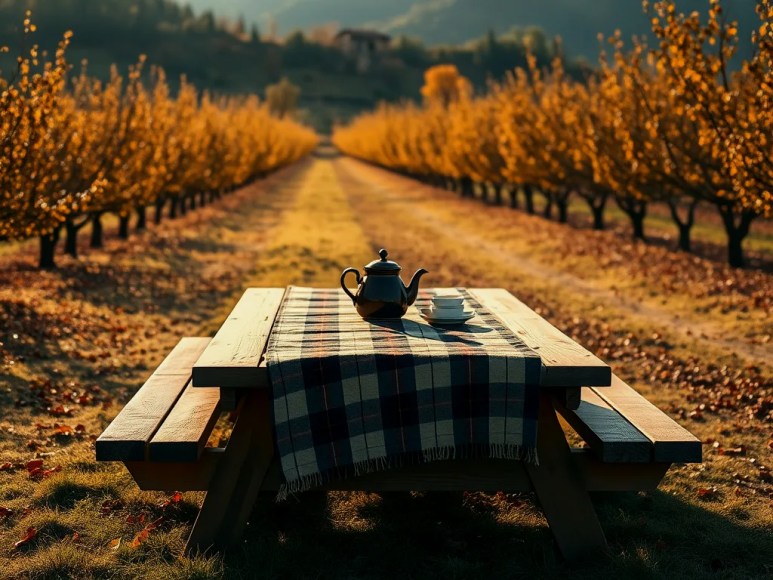
Ankara Metropolitan Municipality’s ATA Farm (BAKAP) near Gölbaşı transforms each autumn into a landscape of yellow, orange and brown tones, offering residents a blend of agricultural production and outdoor recreation. The campus invites walkers, photographers and families to explore trails, ponds and cultivated parcels approximately 10 kilometers from Gölbaşı center.
Gölbaşı proximity and autumn vistas
ATA Farm’s tree-lined avenues and landscaped areas shift noticeably in November as leaves turn and fall. Visitors follow clearly marked walking routes that pass by ornamental plantings and biological ponds; These routes are designed to balance scenic variety with accessibility. For photographers, early-morning light on the ponds and the contrast between standing crops and deciduous groves produce repeatable compositions—consider shooting golden-hour reflections along the western shore of the largest pond or using low-angle shots to emphasize fallen leaves on paved paths.
3.5 million square meters of integrated agriculture and recreation
The site spans roughly 3.5 million square meters and integrates production plots, greenhouses, orchards, ornamental and landscape plants, turf areas and biological ponds. The master plan organizes the campus into three stages, each with dedicated uses: production and research parcels in the first stage, demonstration orchards and greenhouses in the second, and most public recreational amenities in the third. This zoning reduces user conflict—for example, mechanized harvesting occurs away from picnic and glamping zones—and supports year-round activity scheduling.
How the layout supports visitors and production
The campus design separates intensive farming operations from leisure spaces with buffer plantings and service roads. Visitors access parking and visitor centers near the main entrance, from which looped trails radiate into themed sections: the orchard loop, greenhouse terrace and the wetland boardwalk. Clear signage explains seasonal events, crop cycles and permitted activities; on-site maps show distances and estimated walking times so visitors can plan 30-, 60- or 90-minute circuits.
Recreation offerings: cycling, walking, and sports
ATA Farm supplies dedicated walking paths and cycling routes that interconnect sports fields and fitness nodes. The complex contains courts and fields for tennis, volleyball (including beach volleyball), basketball and small-sided football; open lawns host yoga and meditation sessions at scheduled times. To get the most out of a visit, plan a mixed itinerary: start with a 45-minute bike loop, cool down with a lakeside stretch, then reserve a court or join a community yoga session posted on the municipality’s events calendar.
Camping, glamping and caravan facilities
Campers find designated tent areas and caravan sections with basic hookups; glamping platforms provide elevated tents with simple furnishings for those who prefer comfort. Site rules allocate quiet hours and specify fire and waste management procedures; group bookings and larger events generally require advance municipal approval. Check ABB’s latest announcements for exact booking windows, capacity limits and seasonal closures.
Why ATA Farm matters for urban agriculture and public use
Combining agricultural production and public recreation on one campus creates educational opportunities and tangible urban-agriculture benefits. Demonstration plots show crop rotations, integrated pest management and water-efficient irrigation in practice. Schools and community groups can schedule guided visits that pair hands-on tasks—such as planting a small bed or participating in a harvest—with short talks on soil health and seasonal crop selection. These activities help translate production into practical learning while keeping core farming operations productive.
Visitor tips and practical details
Parking sits close to the main entrance, but weekends can fill; Arrive early in autumn to secure a spot. Wear layered clothing for morning chills and warmer afternoons; bring closed shoes for mixed terrain. Respect the signage—stay out of active production plots and observe posted wildlife buffers around ponds. If you want a guided tour, contact the municipality or look for scheduled workshops and volunteer days, which often appear on ABB’s website and social channels.
Seasonal programming and events
The municipality programs seasonal activities—harvest festivals, educational workshops and volunteer planting days—to keep the campus active year-round. Autumn highlights often include photo walks and family-oriented harvest demonstrations that explain fruit collection and basic post-harvest handling. For event planning, note that capacity and activity types shift between stages of the agricultural calendar, so consult event notices before organizing group visits.
How to include ATA Farm in a day trip around Ankara
Pair a morning at ATA Farm with nearby Gölbaşı attractions: visit local produce markets for items sourced from the farm, or schedule lunch at nearby picnic-friendly parks. A typical half-day itinerary: 30–45 minutes cycling or walking loops, a short guided demo at a greenhouse or orchard, and a relaxed lakeside picnic. For families, allocate extra time for sports and play areas and check the event schedule for kid-focused workshops.
Conservation and management practices observed on site
ATA Farm uses biological ponds for integrated water management and maintains buffer strips to protect biodiversity corridors. Landscape plantings include native and adaptive species to reduce irrigation demand and support pollinators. Operationally, the farm phases mechanized tasks to minimize disturbance to visitors and uses signage to communicate ongoing stewardship work.
Planning a return visit across seasons
ATA Farm changes character with each season: spring brings blossoms in orchards and active greenhouse plantings, summer highlights irrigated production and deep-green turf, autumn produces colorful foliage and harvest events, and winter emphasizes structure and wetland birdwatching. To experience different faces, plan visits in at least two seasons—spring for blooms and hands-on planting activities, autumn for colors and harvest-focused programming.
Practical note: For the most current opening hours, booking rules and event listings, consult Ankara Metropolitan Municipality announcements before visiting.
Be the first to comment