
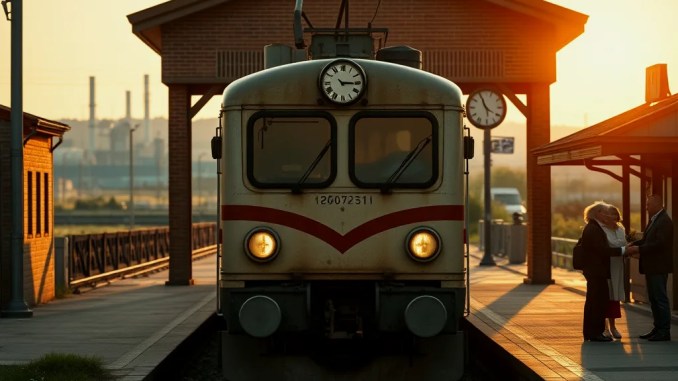
PKP PLK launches tender to reconnect Jastrzębie-Zdrój with regional rail
PKP PLK opened a procurement on 26 October 2026 to rebuild an approximately 8-kilometer stretch of Line 159 between Pawłowice Śląskie and Jastrzębie-Zdrój. The contract aims to return regular passenger services to Jastrzębie-Zdrój for the first time since 2001. Bidders must submit proposals by 4 December 2026 under the College Plus program, which funds railway restoration and regional connectivity projects from the state budget.
Scope: electrified single line for up to 120 km/h with station and platform upgrades
The main construction package covers track renewal, substructure and drainage works, power supply, catenary systems, civil structures, platforms and level crossings. The design-and-build signaling and telecommunications package will follow as a second lot. Planned interventions include full electrification to permit speeds up to 120 km/h, platform reconstruction at Jastrzębie-Zdrój, Jastrzębie-Zdrój Bzie and Jastrzębie-Zdrój os. Barbary, plus upgrades at Żory Wschodnie and Żory Baranowice and works at Pawłowice Śląskie station.
Accessibility improvements are explicit: platform heights, tactile surfaces and ramp or lift provisions will accommodate passengers with reduced mobility. Optional scope items in the tender include roadworks to access Żory Baranowice and Żory Wschodnie platforms and a parking-with-access layout at Pawłowice Śląskie. Contracting authorities reserve the right to alter signalling connection points to suit operational needs once detailed designs are complete.
Cost, timeline and funding: 270 million złoty estimate, 24+6 months delivery window
The municipality of Jastrzębie-Zdrój declared a contract value of 270 million złoty excluding VAT. State funds under the College Plus program will finance the project. The successful contractor will have 24 months after contract signature to complete major works, plus up to six months extra to obtain and implement the necessary approvals for new subsystems. PKP PLK anticipates construction activity in the 2027–2030 window.
Engineering challenges: former mining areas and waterlogged ground require complex solutions
Route geology imposes significant technical risk. Sections cross former mining terrain where subsidence, voids and legacy workings demand extensive geotechnical investigation and tailored foundation or remediation methods (grouting, piled foundations, reinforced embankments). One sector containing a former pond will require drainage redesign and local hydrological control measures. These constraints lengthen design and pre-construction phases and increase contingency allowances in contractor bids.
Operational impact: 60-minute target to Katowice, phased service restoration
When restored, the line will re-establish connections from Jastrzębie-Zdrój through Pawłowice, Żory, Rybnik and Pszczyna to Katowice. The Infrastructure Ministry seeks to reduce journey time to Katowice to about 60 minutes; previous forecasts showed regional trains stopping at all stations would take approximately 1 hour 12 minutes. Earlier plans envisaged up to 12 daily return trips on the Jastrzębie–Żory–Katowice axis, but final timetables will depend on rolling stock selection, signaling interoperability and network pathing.
What the tender includes and what it excludes: Orzesze–Żory section outside current contract
The October tender focuses on Żory–Pawłowice Śląskie and Pawłowice Śląskie–Jastrzębie-Zdrój sections. The Orzesze–Żory segment remains outside this procurement and depends on separate decisions tied to the Central Communication Port (CPK) railway investments and available financing. Environmental decisions issued in February 2026 covered three segments (Orzesze–Żory, Żory–Pawłowice Śląskie, Pawłowice Śląskie–Jastrzębie-Zdrój), enabling phased implementation; the present approach prioritises the Jastrzębie connection as the first stage.
Budget context and earlier estimates: from 875 million złoty to secured regional funding
Previous ministry estimates (December 2025) placed the project’s total cost near 875 million złoty, reflecting broader scope, land acquisition costs and complex geotechnical work in mining-affected zones. Under an agreement between PKP PLK and the Silesian Voivodeship, around 475 million złoty had been provisionally secured, with local authorities expected to cover roughly 15% of eligible costs. The current tendered package carries a lower, stage-focused estimate of 270 million złoty excluding VAT; additional phases and ancillary works could raise the cumulative spend toward earlier projections.
How contractors should prepare bids to win: technical and program priorities
Competitive bids will demonstrate firm geotechnical mitigation plans, a design that minimizes later changes at signaling boundary points, and a realistic delivery program that fits the 24+6 month contractual window. Offerors should include: a) site-specific ground techniques improvement with costed contingencies, b) staged work sequences that maintain any necessary freight or construction train movements, c) a clear accessibility-compliance strategy for all platforms, and d) early engagement plans with safety authorities to expedite subsystem approvals. Tender evaluators will prioritise proven experience on mining-affected rail works and the ability to integrate electrification and modern signaling quickly.
What commuters and local governments can expect next
Following contract award, preparatory activities (geotechnical remediation design, environmental mitigation, utility relocations and local road access works) will commence. Local authorities should expect traffic and temporary access changes while contractors carry out earthworks, track installation and overhead line erection. The phased strategy increases the chance of an earlier partial reopening for selected stations once key sections meet safety and operational requirements and subsystem approvals are granted.
Key takeaways for stakeholders
Restoring passenger service to Jastrzębie-Zdrój combines a compact, high-impact construction package with elevated engineering complexity. The tendered 8 km upgrade targets faster, accessible, electrified regional services and balances accelerated delivery against the geotechnical realities of former mining terrain. The 270 million złoty estimate funds the first phase; fuller network restoration, including Orzesze–Żory, depends on subsequent funding and CPK-related decisions. Contractors who present robust mining-area solutions and an executable 24-month delivery plan will lead the shortlist for award.


Be the first to comment