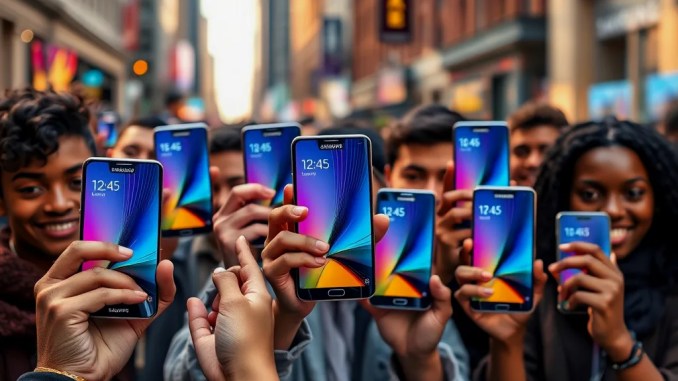
Imagine holding the key to a sprawling digital universe that connects over a billion devices worldwide. Samsung just announced surpassing 1.2 billion Galaxy users, a milestone that not only showcases the company’s immense market reach but also signals profound shifts in how billions of consumers engage with technology daily. This astronomical figure reflects a combination of active users, registered devices, and an expansive ecosystem that integrates smartphones, tablets, wearables, and IoT devices into a seamless experience. Such growth isn’t accidental—it’s a strategic feat achieved through relentless innovation, diversified product lines, and a relentless push to dominate multiple market segments. In this comprehensive analysis, we’ll uncover the true meaning behind Samsung’s claim, how it impacts the consumer, and what this development signals for the future of mobile technology and digital connectivity. ## Decoding Samsung’s 1.2 Billion Galaxy User Claim Samsung’s recent announcement of over 1.2 billion Galaxy users stirs curiosity regarding what exactly the number represents. It’s essential to distinguish between active users, registered devices, and the total installed base. Active Users vs. Registered Devices: – Active Users: Devices accessed and used regularly. They represent current engagement. – Registered Devices: Devices registered in Samsung’s ecosystem, including those not used actively but still linked. Samsung’s figure primarily includes a blend of registered devices across the globe, encompassing smartphones, tablets, and wearables. To illustrate, consider the following example: | Category | Explanation | |—|—| | Registered Devices | Devices registered to Samsung accounts, which could include inactive units | | Active Devices | Devices actively used within the last month or quarter | Most industry analysts surmise Samsung’s 1.2 billion figure indicates combined gross counts, reflecting the company’s extensive ecosystem’s depth. Why does this matter? Because the larger the ecosystem, the more sticky and integrated Samsung’s experience becomes for consumers, translating into higher retention and brand loyalty. ## What Does This Mean for Consumers? This milestone profoundly affects consumers in several ways, shaping their experience and options within the Samsung universe. ### Enhanced Ecosystem Integration With over a billion users, Samsung emphasizes creating a cohesive environment where devices communicate seamlessly —think of your Galaxy phone unlocking your Galaxy Watch or sharing files instantly via Quick Share. This interconnectedness enhances productivity, entertainment, and everyday convenience. ### Better Software and Support A larger user base incentives Samsung to invest more in software updates and security patches. High adoption rates foster a thriving developer community, which leads to richer app ecosystems optimized for Galaxy devices. ### Competitive Pricing and Innovation The massive scale allows Samsung to distribute costs over a broad portfolio, enabling competitive pricing across various segments. It fuels innovation, especially in premium features like foldable screens, camera technology, and AI integration. ### Improved Customer Service and Support A vast user pool prompts Samsung to expand its service centers and introduce smarter support options, including AI-powered helplines and remote troubleshooting, reducing downtime and improving user satisfaction. ## Impact on the Smartphone Market and Future Trends Samsung’s massive user base influences global smartphone dynamics, setting a competitive tone that benefits consumers and industry alike: ### Accelerated Adoption of Cutting-Edge Technologies From foldable displays to 5G, Samsung leverages its ecosystem scale to mainstream new innovations faster, making advanced technology accessible and affordable. ### Ecosystem as a Competitive Advantage Samsung’s integration of devices encourages brand loyalty. Consumers increasingly prefer an interconnected Galaxy experience over switching to other brands. ### Rising Emphasis on Lifecycle and Sustainability A large ecosystem pushes Samsung to focus on device longevity, repairability, and eco-friendly practices, aligning with consumer demand for sustainable technology. ### Market Expansion through Diversified Portfolio Samsung taps into various segments—entry-level, mid-range, and premium—serving a broad audience and further expanding its user base. ## Strategic Moves Driving This Growth Several strategic initiatives underpin Samsung’s growth to over a billion Galaxy users: – Aggressive Global Marketing: Targeting emerging markets with affordable devices. – Partnership Ecosystems: Collaborations with app developers, service providers, and content creators to enrich the Galaxy experience. – Product Diversification: Launching innovative devices like Galaxy Fold, Galaxy Z Flip, and Note series. – Customer-Centric Features: Prioritizing user-friendly interfaces, security, and customization. ## The Road Ahead: Opportunities and Challenges While surpassing 1.2 billion users marks a significant milestone, it also presents challenges: ### Opportunities – Enhanced Data-Driven Personalization: Greater user data enables tailored experiences. – Development of Connected IoT World: Amplifies smart home, smart vehicle, and wearable integration. – Innovations in AI and Machine Learning: Improving device capabilities and user interactions. ### Challenges – Data Privacy Concerns: Managing vast amounts of user data responsibly. – Device Fragmentation: Ensuring software consistency across diverse hardware. – Market Saturation: Maintaining growth rates in mature markets. ## Conclusion Samsung’s declaration of surpassing 1.2 billion Galaxy users signifies more than a numeric achievement; it embodies the company’s leadership and vision in shaping a globally connected digital future. For consumers, it unlocks a smarter, more integrated lifestyle, backed by a robust ecosystem that continues to innovate and expand. As Samsung writes the next chapter, staying informed about their strategies and products becomes essential for users eager to leverage the full potential of this massive ecosystem. ## Frequently Asked Questions (FAQs) Q1: Does the 1.2 billion figure indicate active monthly users or total registered devices? A1: It mainly refers to the total registered devices within Samsung’s ecosystem, not necessarily active monthly users. Actual active users are typically lower but are encompassed within this broad measurement. Q2: How does this milestone influence Samsung’s market position globally? A2: Surpassing 1.2 billion devices underlines Samsung’s dominance in multiple markets, encouraging further investment in innovation, support, and ecosystem expansion to retain its leadership. Q3: Will this growth impact consumer prices or product availability? A3: Larger scale economies generally allow Samsung to offer competitive pricing and availability, especially in emerging markets, while maintaining high quality standards. Q4: How does ecosystem integration benefit my daily smartphone experience? A4: It enables effortless device switching, quick data sharing, unified notifications, and cohesive app experiences, making daily tasks smoother and more efficient.