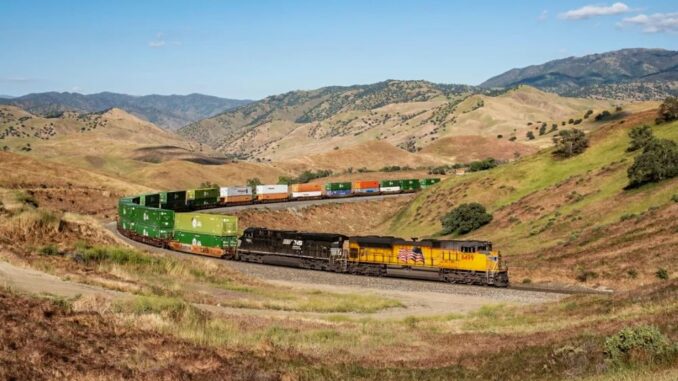
The United States’ railroad industry stands on the brink of a major transformation as Union Pacific and Norfolk Southern Corporation submit their initial response to the Surface Transportation Board (STB) regarding their proposed merger. This move signals a critical step forward in a process that could reshape North America’s freight logistics network, potentially creating the most extensive and efficient intermodal rail corridor in history. Why is this merger so pivotal? The combined network promises to streamline long-haul freight, reduce costs, and introduce a more sustainable transportation option, shifting significantly away from truck-based logistics. But regulatory scrutiny remains intense, with the STB demanding transparent details and assurances before granting approval. ## Deep Dive into STB’s Inquiry and Response The STB’s questions primarily target the control and influence of key logistical assets—specifically St. Louis Terminal Railroad Authority (TRRA), Kansas City Terminal Railroad (KCT), and TTX Company. These entities are vital hubs or assets within the freight network, often involved in operations managed by multiple Class I railroads. The goal? To ensure that post-merger, competition and independence among these controlling agencies remain intact. Both companies explicitly confirm that, as of now, they do not hold controlling interest in these entities and plan to maintain this stance even after the merger. They emphasize their commitment to strict non-discrimination policies and regulatory oversight to prevent any undue influence. However, the companies also reveal that they are prepared to divest assets or sell stakes in certain infrastructure if regulatory authorities require. This flexibility aims to mitigate antitrust concerns and demonstrate their willingness to foster a competitive environment. ## Strategies Used to Address Concerns One notable aspect is the companies’ detailed engagement with other railroads to negotiate asset divestitures, particularly concerning TRRA holdings. Reports indicate a highly strategic effort—including private meetings where Union Pacific and Norfolk Southern discussed reducing their ownership stakes to appease regulators wary of excessive market control. Key insights include: – The meetings involving the TRRA secretariat were exclusive to senior management, excluding competitors such as BNSF, CSX, or Canadian National. – Such discussions highlight the companies’ intent to streamline ownership structures and avoid monopolistic dominance, thereby addressing regulatory antitrust fears. ## The Significance of a Single, United Rail Network Combining Union Pacific’s extensive West Coast presence with Norfolk Southern’s powerful East Coast operations promises a game-changing interstate freight corridor. This corridor would enable seamless, direct rail services across the entire continent — a feat that has long eluded industry experts due to fragmented networks. Advantages include: – Reduced transit times by eliminating bottlenecks at transfer points. – Lower freight costs, resulting from increased efficiency and capacity. – Environmental benefits — shifting freight from trucks to cleaner, more energy-efficient rail transport. – Improved global competitiveness for US exports and imports. ## The Path Forward: Approval and Implementation Timeline The companies stress they are committed to full transparency and are engaged constructively with the regulatory process. The STB, which initially accepted the revised merger application on May 28, 2026, has requested additional information to clarify controls and assets involved. This step signals a thorough review process aimed at protecting market competition. Next steps include: – Submission of additional data by July 27, 2026, as per STB’s directives. – Continued negotiations around asset divestitures and ownership structures. – A potential final decision anticipated in mid-2027, depending on regulatory findings. During this period, the companies will work closely with the STB, providing comprehensive documents, detailed operational plans, and divestiture commitments. The goal? To secure favorable approval and realize the benefits of a unified, efficient rail network that could set a new global standard in freight transportation.