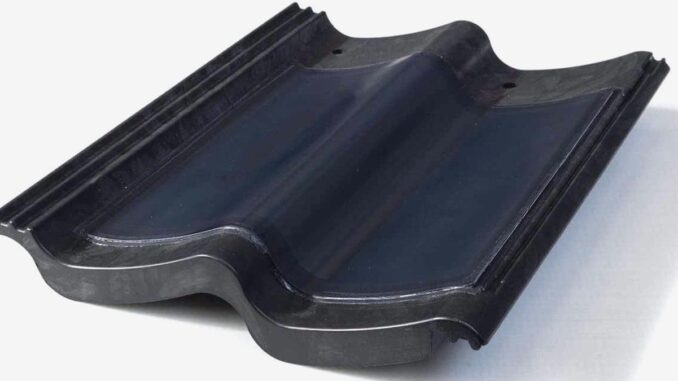
Revolutionizing Solar Energy: The Emergence of Smart Roof Tiles
The landscape of solar energy technology is undergoing a radical transformation. Traditionally, solar panels are bulky, visually intrusive, and often clash with architectural aesthetics. However, recent breakthroughs in flexible, aesthetically pleasing solar solutions promise to seamlessly integrate renewable energy into urban environments without compromising the visual integrity of buildings.
Introducing Intelligent Solar Roof Tiles
Developed by Dutch researchers, smart solar roof tiles are ingeniously designed to mimic traditional roofing materials while actively generating electricity. Unlike conventional photovoltaic panels, these tiles blend perfectly with existing roof systems, preserves historical facades, and eliminate the need for bulky, dark panels that often detract from a building’s character.
The Technology Behind Smart Tile Tiles
The core innovation lies in the use of perovskite-based flex modules. Perovskite, a mineral known for its remarkable photovoltaic properties, supports high efficiency in a thin, flexible form factor. These tiles are engineered to fit into curved or irregular surfaces, opening up countless applications such as curved roofs, façades, and complex architectural geometries.
Advantages Over Traditional Solar Panels
- Enhanced Aesthetics: These tiles resemble ordinary roofing materials, maintaining the architectural beauty of buildings.
- Versatile Installation: They can be installed on curved, sloped, or irregular surfaces, unlike rigid panels that require flat mounts.
- Preservation of Heritage Sites: Heritage buildings often face restrictions on modern modifications. Smart tiles provide an energy solution respecting these constraints.
- Greater Urban Integration: Integrating solar technology into existing cityscapes becomes feasible, reducing visual pollution.
Durability and Environmental Resilience
One of the major challenges with perovskite technology has been its susceptibility to environmental factors such as moisture, ultraviolet light, and temperature fluctuations. However, innovative protective coatings and encapsulation techniques have significantly enhanced durability. In recent tests, these tiles maintained efficiency under outdoor conditions, withstanding harsh weather patterns for extended periods.
Cost Efficiency and Scalability
Early-stage production costs for these flexible tiles are higher than traditional roofing materials. Yet, as manufacturing scales up and technology matures, prices are expected to decrease, making them competitive with conventional roof coverings. Their ability to be manufactured in large quantities and integrated into standard roofing processes suggests a promising future for widespread adoption.
Real-World Applications and Pilot Projects
Current pilot installations have demonstrated their potential in both residential and commercial settings. Example projects include:
- Historic building facades retrofit, allowing cities to harness solar power without damaging aesthetics.
- Complex structures, where curved surfaces are transformed into architectural energy sources.
- New urban developments incorporating power-generating rooftops from the outlet.
Remaining Challenges and Future Outlook
Despite promising advancements, several hurdles need addressing before these tiles become mainstream. These include ensuring long-term durability, improving manufacturing efficiencies, and establishing standardized testing protocols. Additionally, governments must offer policies and incentives aligned with sustainable urban development.
Looking ahead, the integration of smart solar tiles into cities could revolutionize the way we think about energy infrastructure. Instead of prioritizing traditional, intrusive solar panels, urban environments will embrace visually harmonious, energy-generating surfaces—transforming every roof into a potential power plant.
As research progresses and commercialization accelerates, expect to see a future where beautiful, functional, and sustainable roofs are not mutually exclusive but seamlessly combined, paving the way towards greener, more resilient cities.