Rapid Military Withdrawals Signal Shifting Alliances in Iberia
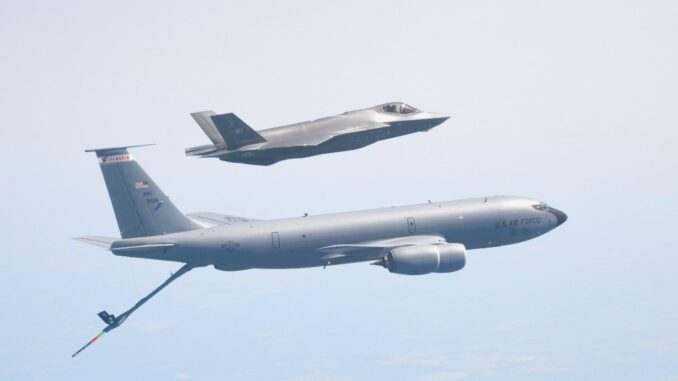
Recent developments in the strategic military landscape of the Iberian Peninsula reveal a decisive shift in response to international tensions. The United States, which had stationed multiple KC-135 aerial refueling aircraft at key bases in Spain, has quickly begun withdrawing these assets. This move follows Spain’s clear statement that its military bases will not be used for operations against Iran—or any other unauthorized military activity—highlighting an increased focus on sovereignty and diplomatic clarity.
Sources confirm that the US deployment, initially intended to support global operations, is being scaled back in accordance with Spain’s affirmations. The rapid departure of at least 15 aircraft from Rota and Moron bases underscores a strategic recalibration amidst rising regional uncertainties. Official statements from Spanish officials emphasize that their military facilities adhere strictly to international laws and sovereignty principles, making any unauthorized use unacceptable.
Implications of US Withdrawal and Regional Security Dynamics
The US’s quick exit from these military installations doesn’t merely reflect a diplomatic stance; It’s a potent signal to global actors involved in Middle Eastern and North African conflicts. This sudden repositioning could influence regional power balances, especially considering Iran’s ostensible activities in the area and the broader implications for NATO and allied cooperation.
Analysts note that the timing of these withdrawals, coinciding with increased tensions over Iran’s activities, indicates a nuanced approach by Spain and its allies. By affirming that its military bases won’t be used for unlawful operations, Spain sends a strong message that it will not serve as a staging ground for conflicts that could escalate beyond its borders.
Strategic Movements in France and Germany
The air traffic data from FlightRadar24 reflects resonance with this stance—several transport aircraft have diverted from Spanish bases toward Germany and south of France. Specifically, on March 1st, nine tanker aircraft departed Moron heading towards Germany, while two others from Rota aimed for France. An additional four aircraft from Rota had routes kept confidential, sparking speculation about their missions.
This strategic alignment emphasizes that NATO allies are adjusting their military footprint in response to evolving geopolitical threats. The movement of such assets is often a detailed, covert process, and these recent shifts highlight an overarching effort to avoid escalation in sensitive regions.
The Cyber and Drone Threats on Cyprus
Meanwhile, in the eastern Mediterranean, the UK’s Royal Air Force station at Akrotiri in Cyprus faced a drone attack that underscores the persistent threat of unconventional warfare. The attack, which caused no injuries or damage, underscores the ongoing volatility surrounding British military installations, especially amid increased regional tensions involving Iran, Turkey, and other regional powers.
The UK Defense Ministry confirmed that security measures were immediately increased, and the incident was under investigation. The attack’s brevity and lack of casualties do not diminish its significance; Rather, it exemplifies the modern battlefield’s multifaceted nature, where drones and cyberattacks are increasingly commonplace tactics. More importantly, it signals that security protocols at strategically vital bases require continuous reinforcement against asymmetric threats.
Iran’s Tactical Demonstrations and Regional Response
The escalating tensions in Cyprus, especially involving Iranian missile and drone activity, have prompted a firm response from Western military officials. British defense sources have reported that two Iranian Fajr-5 missiles were intercepted and destroyed earlier this week, illustrating Iran’s willingness to engage in unconventional missile warfare as a form of retaliation or deterrence.
While the interception prevented potential damage or casualties, these actions reflect Iran’s broader strategy to showcase its military capabilities without crossing into open warfare. These missile tests serve multiple purposes: asserting regional dominance, deterring adversaries, and pressuring Western powers to reconsider their military posturing in the region.
Broader Movements: Greece’s Naval Deployment and US Military Challenges
Amid these developments, Greece’s deployment of a new warship to Cyprus signals a reinforcement of regional alliances and a show of strength amid escalating tensions involving Turkish claims and Mediterranean maritime disputes. This move aims to solidify Greece’s role as a major regional player, supporting Cyprus’s sovereignty and deterring aggressive moves by neighboring powers.
Simultaneously, the US faces its own challenges in the region with F-15E fighter jets experiencing issues in Kuwait. These technical difficulties highlight the importance of maintenance and readiness for Western military assets operating in complex environments like the Middle East. The setbacks serve as a reminder that operational readiness remains critical in a landscape fraught with geopolitical unpredictability.
Impacts on Alliances and Future Dynamics
The cumulative effect of these military activities underscores a changing geopolitical fabric—where alliances are tested, and strategic postures are rapidly evolving. As Spain reaffirms its stance against unauthorized military use of its bases, and Cyprus becomes a focal point of drone and missile threats, regional powers recalibrate their military strategies accordingly.
The regional security paradigm now pivots on flexible, rapidly adaptable forces capable of responding to asymmetric threats. Countries like Greece, the UK, and the US are investing heavily in intelligence, surveillance, and rapid deployment capabilities to counter such threats. This ongoing realignment sets the stage for future engagement policies, military preparedness, and diplomatic negotiations in the Mediterranean and beyond.