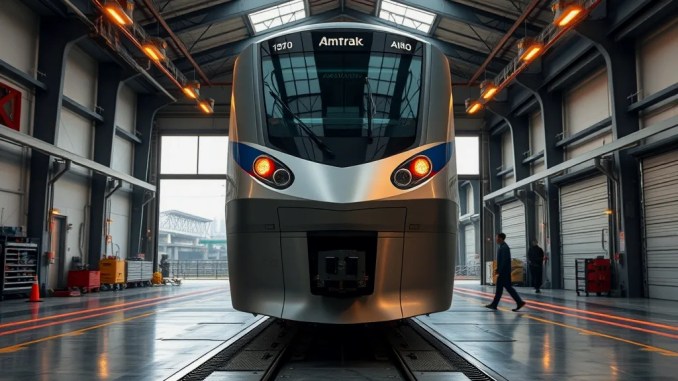
The California High-Speed Rail project stands at a pivotal moment, reflecting both ambitious progress and rigorous financial discipline as it enters a new phase of implementation. With fresh insights from the 2026 work plan draft, stakeholders and the public alike are witnessing a shift toward more sustainable and efficient project management. This development underscores California’s determination to realize a modern, fast, and environmentally friendly transportation corridor connecting major urban centers.
Redefined Cost Structure and Strategic Phasing
The latest report from the California High-Speed Rail Authority reveals a noteworthy reduction in projected costs, mainly attributable to revised planning and execution strategies. The earlier estimates for the first phase, which connects San Francisco to Los Angeles and Anaheim, saw a decrease of approximately $1.7 billion. This fiscal tightening results from a combination of accelerated construction timelines, refined engineering methods, and stricter budget oversight. Such measures aim to make the project more resilient against potential financial uncertainties while maintaining the core goal of connecting California’s major cities efficiently.
Adoption of an Incremental Delivery Model
One of the most significant shifts in the project approach involves transitioning to an incremental or phased delivery system. Instead of waiting for the entire network to be open, authorities are focusing on completing and activating the initial segment—specifically the line from Merced to Bakersfield. This strategy offers multiple advantages: early revenue generation, real-time operational testing, and the ability to secure ongoing funding based on tangible progress. It also minimizes risks associated with large-scale construction by distributing resources more effectively over time.
Progress on Construction and Infrastructure Development
While challenges such as geographical tough terrains and logistical hurdles persist, recent updates highlight notable momentum. The Central Valley corridor showcases extensive activity:
- 171 miles of track design and construction are currently underway.
- Approximately 80 miles of guideway and nearly 60 major structures have reached completion.
- Construction efforts support over 16,400 jobs, with an average of 1,700 workers on-site daily.
- Economic impact assessments indicate that the project has already generated roughly $25 billion in regional economic activity.
This underground, surface, and aerial infrastructure development is aligned with strategic planning to ensure project viability and long-term sustainability. The ongoing work demonstrates the growing capability of local and federal agencies to coordinate complex engineering tasks within tight timelines and budgets.
Environmental Approvals and Regulatory Milestones
Environmental clearance remains a critical component. The corridor from San Francisco to Los Angeles/Anaheim has achieved over 93% of key environmental approvals, equating to about 463 miles of validated route. Such approvals are essential, as they pave the way for construction permits, community engagement, and future expansions. These regulatory advancements serve as tangible evidence of the project’s compliance with California’s environmental standards and community standards, thus mitigating future legal or procedural delays.
Public Engagement and Future Outlook
The upcoming public review process, running from late February to late April 2026, underscores the project’s commitment to transparency. During this 60-day window, residents, local governments, and advocacy groups can submit feedback, suggest modifications, or raise concerns. The process ensures that the project remains aligned with public interests and environmental principles, fostering community trust and support.
Financial Outlook and Long-term Vision
The new 2026 work plan emphasizes sustainable financing options, involving both public funds and private sector investments. The focus on strong project execution, phased commissioning, and community involvement aims to position California’s high-speed rail system as a model for future infrastructure projects nationwide. Ultimately, the initiative aspires to reduce congestion, lower carbon emissions, and transform regional mobility for generations to come.