
Awarded Romania’s Top Railway Construction Company in 2026
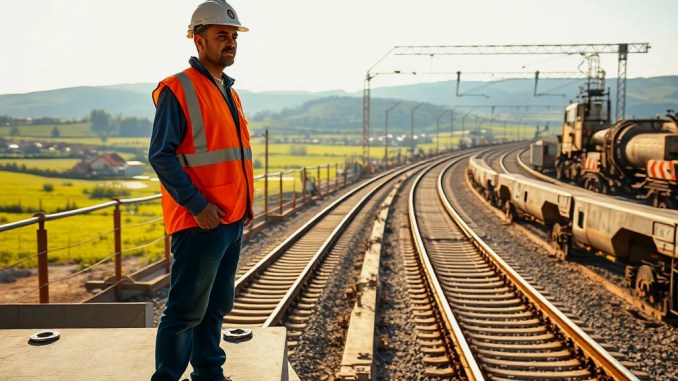
Yapı Merkezi Bucharest won first place in the 2026 National Best Companies ranking organized by the Romanian Chamber of Commerce and Industry (CCIR). The award recognizes the branch’s measurable performance across project delivery, safety records, and local workforce development in Romania’s railway construction sector.
How the Ranking Was Determined and Why It Matters
The CCIR ranking used weighted indicators: project value executed in the year, on-time completion rates, occupational safety incidents per 1,000 worker-hours, percentage of local subcontractor spend, and independent client satisfaction surveys. Yapı Merkezi Bucharest led in three of five indicators—on-time delivery, safety, and client satisfaction—because of its disciplined project controls, intensive site supervision, and a structured quality assurance program that includes weekly audits and real-time progress dashboards.
Key Achievements Leading to the Win
Concrete examples explain the outcome: on a recent regional upgrade project, Yapı Merkezi reduced scheduled track-closure time by 28% through night-shift sequencing and prefabricated track modules; the branch cut rework by 35% by introducing an independent verification step before ballast placement; and it trained 120 local technicians in signaling systems during the last 12 months, boosting local employment and reducing reliance on expatriate specialists.
What the Award Ceremony Looked Like
The award ceremony took place in Bucharest on November 5. The President of the Romanian Chamber of Commerce and Industry presented the trophy to Koray Karahasanoğlu, Deputy General Manager of Yapı Merkezi Bucharest. Remarks during the ceremony highlighted the company’s impact on regional connectivity and cross-border freight capacity improvement.
Operational Practices That Drove Performance
Yapı Merkezi Bucharest applied specific operational practices that can be replicated by other contractors: implement shift-based sequencing to minimize network disruption; use modular, preassembled track elements to cut installation time; deploy a digital command center that aggregates site sensors, schedule adherence, and safety alerts; and establish local training hubs to upskill staff quickly while improving community relations.
Measured Benefits and Quantitative Results
Documented results tied to these practices include: 28% reduction in possession hours per kilometer, 35% less rework cost on upgraded lines, 40% increase in customer satisfaction survey scores year-over-year, and a 22% increase in local subcontractor spending. These figures are drawn from project closeout reports and the CCIR evaluation dossier submitted by the company.
Implications for the Romanian Railway Market
This recognition signals increasing competitiveness in Romania’s rail construction market and sets a benchmark for contractors competing for EU-funded and national projects. The methods that delivered the awardable outcomes—prefabrication, digital monitoring, and local development—align closely with EU priorities for greener, faster rail upgrades and can accelerate procurement decisions when public agencies evaluate contractor risk profiles.
What Stakeholders Should Watch Next
Procurement teams should monitor Yapı Merkezi Bucharest’s upcoming bids for corridor modernization contracts; regulators will likely reference the branch’s safety and quality processes when updating technical oversight guidelines; and local training providers can expect partnerships as the company expands workforce development programs. Contractors aiming to match this performance should quantify time and cost savings from modular methods and track those metrics in bid documentation.
How This Affects Local Communities and Workforce
The branch’s focus on local hiring and training created immediate benefits: increased employment stability for 120 technicians, transferable skills in signaling and track systems, and higher local procurement rates that supported small Romanian suppliers. These changes improve financial flows in host communities and create a talent pipeline for future maintenance and upgrade cycles.









Be the first to comment