
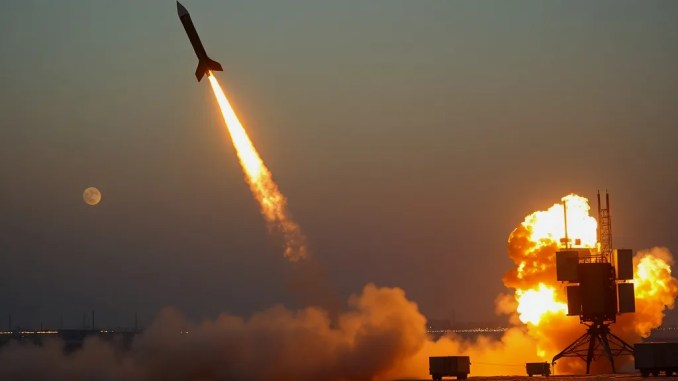
Saudi coalition intercepts two ballistic missiles targeting Riyadh
Saudi-led Arab Coalition announced that air defenses intercepted and destroyed two ballistic missiles fired by Iran-aligned Houthi forces from Yemen toward the capital, Riyadh. Coalition spokesperson Brig. Gene. Turki al-Maliki posted the confirmation on Authorities activated civil defense protocols in Riyadh and across southeastern and southern regions, including Najran, Dammam, Al-Ahsa and Buqayq. Emergency services reported that the alerts were lifted after interceptions were verified and no critical infrastructure damage was reported.
Operational details and defensive capabilities demonstrated
The coalition’s statement highlighted layered air-defense engagement: radar detection, threat-tracking, and missile-intercept batteries coordinated to neutralize the ballistic trajectories. While exact systems were not named in the statement, the engagement pattern is consistent with integrated surface-to-air systems that combine long-range radar cues and midcourse interceptors to defeat high-velocity ballistic threats.
Context: ongoing Yemen conflict and Houthi targeting pattern
The Yemen conflict intensified when Houthi forces close large parts of the country, including Sanaa, in September 2014. Since March 2015, a Saudi-led coalition has supported The internationally recognized Yemeni government. In recent months the Houthis have increasingly used ballistic missiles and unmanned aerial vehicles to strike targets inside Saudi Arabia, citing retaliatory motivations. These launches follow a pattern: selection of distant launch sites in Yemeni governorates, salvo or single-missile launches timed for reduced detection windows, and claims of precision against military or energy-related targets.
Why missile interceptions matter for civilians and infrastructure
Ballistic missile interceptions prevent mass casualties and large-scale infrastructure damage. A single successful intercept averts blast and fragmentation effects over the impact zone and reduces the risk of secondary fires. Interceptions also limit economic disruption by ensuring energy facilities, airports, and urban services remain operational. For civil defense planners, each engagement offers actionable data to refine shelter protocols, evacuation routes, and radar coverage gaps.
Evidence, verification and open-source signals analysts’ role
Independent verification typically combines official coalition briefings, civil-defense logs, satellite imagery, and open-source radars or acoustic sensors where available. Social-media footage often appears within minutes, but analysts cross-check timestamps, geolocation, and plume signatures to confirm engagement outcomes. In this incident, coalition bulletins plus regional civil-defense notices formed the primary evidence trail; independent imagery or third-party confirmations were not provided in the official release.
Immediate practical guidance for residents in threatened regions
Residents in border and southern provinces should maintain awareness of these practical steps: 1) Keep mobile devices charged and enable official civil-defense alerts; 2) Identify the nearest reinforced shelter or interior room away from windows; 3) Prepare an emergency kit with water, medicines, and essential documents; 4) Follow instructions from local authorities and avoid sharing or acting on unverified social-media videos that can hinder response efforts.
Implications for regional security and diplomatic signals
The repeated use of ballistic missiles by non-state or proxy forces raises deterrence and escalation questions. Successful interceptions demonstrate a defensive posture but also complicated diplomatic signals: defenders claim effective protection, while attackers may argue strikes are retaliation. For diplomats and security planners, each engagement factors into decisions about military posture, sanctions enforcement, and negotiations to rein in cross-border strikes.
What to watch next: indicators of escalation or de-escalation
Key indicators include: upticks in launch frequency from Yemen, claims of new missile types or range, shifts in targeting (civilian vs. strictly military), and official statements from Tehran or Riyadh that hint at broader escalation Conversely, a sustained period without launches, confidence-building measures, or third-party mediation could signal de-escalation.









Be the first to comment