
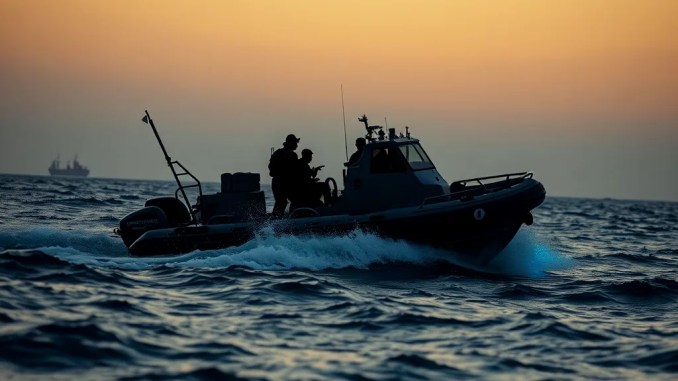
Since February 2026, piracy off Somalia and in the Gulf of Aden has surged, reversing a decade-long lull and creating new operational and financial headaches for global shipping. The uptick follows shifting maritime traffic patterns tied to the Iran war and persistent regional instability. This report describes what happened, why it matters to ship operators and cargo owners, where attacks concentrate, how navies and companies respond, and what measures reduce risk and cost.
Incident Trends and Timeline
Naval reporting shows roughly 79 piracy-related incidents in the western Indian Ocean and Gulf of Aden since November 2023; About 30 occurred after the Iran war began in February 2026. Incidents include armed boardings, approach attempts, skirmishes and full-ship seizures. Two clear escalation phases emerge: the first from November 2023 when Houthi attacks expanded in the Red Sea, and the second after February 2026 when commercial and military movements shifted because of the Iran conflict.
Example data points:
– April–August 2026: Somali-based groups seized six merchant vessels, including tankers carrying oil products.
– Notable cases: The tanker Sibu 1 was captured off Yemen; Honor 25’s crew suffered casualties during a kidnapping event in April; a 20-person crew from the Iranian-flagged fishing vessel Azini was freed in a November military operation after an October seizure.
Root Causes: Why Piracy Returned
Multiple drivers explain the resurgence. First, the Iran war disrupted shipping through Strait of Hormuz and raised insurance and diversion risks, pushing some traffic toward longer or less-guarded routes. Second, existing political instability and economic hardship in the Horn of Africa create recruitment pools and financing options for maritime criminal groups. Third, international naval assets have dispersed to meet multiple crises—allowing opportunistic groups to exploit gaps. Finally, pirates adapted tactics: using small craft to capture vessels and then moving them to Puntland or remote anchorages to demand ransoms.
Where Attacks Occur and Operational Patterns
Attacks concentrate in three overlapping zones: approaches to the Bab el-Mandeb strait, the northern Somali coastline (Puntland approaches), and open-ocean corridors used by diverted commercial traffic. Attackers exploit predictable choke points and times when merchant ships are slower or less protected (eg, during pilot boarding, anchoring, or transiting narrow channels).
Typical attack sequence (observed in multiple reports):
1. Surveillance: Fast skiffs shadow a target at range to confirm identity and vulnerability.
2. Approach: Attack boats close under cover of small waves or night to avoid early detection.
3. Boarding: Boarders use ladders and grappling hooks; if unopposed they secure the bridge and communications.
4. Diversion: Pirates steer vessels toward friendly coastline or secrete them at sea to await ransom negotiations.
Human Cost and Crew Safety
Beyond economic impact, attacks have human consequences. Crews faced kidnapping, fatal shootings and prolonged detention. Honor 25’s incident led to five crew deaths before liberation. Ransoms and rescue operations also expose hostages to dangerous conditions if rescue attempts are poorly coordinated. Operators must therefore plan medical evacuation, crew training, and mental-health aftercare as part of voyage risk management.
Economic Impact: Freight, Insurance, and Route Choice
Piracy increases direct and indirect costs that carriers and shippers must quantify:
– Longer routes: Diverting via the Cape of Good Hope can add thousands of nautical miles and several days to voyage time, increasing fuel burn and reducing effective vessel utilization
– Insurance: War-risk and kidnap-and-ransom premiums spike for ships calling at or near the high-risk area; underwriters may demand specific mitigation measures as a condition of coverage.
– Onboard security: Cost of armed guards, citadels, and enhanced detection equipment adds to operating expense. These costs are often passed down the logistics chain and can inflate commodity prices.
To model impact quickly, operators should calculate: additional distance × fuel consumption per day × bunker price + incremental insurance + security staffing. This produces a per-voyage surcharge to compare against rerouting benefits.
Naval and Industry Responses
Coalition maritime patrols continue. The EU’s Operation Atalanta remains active and deployed surface assets, UAVs and special forces to protect shipping and humanitarian convoys. In October 2026, a Spanish frigate with more than 200 personnel deployed to patrol the Gulf of Aden, illustrating continued international commitment.
Industry measures that reduce successful boardings include:
– Best Management Practices (BMP): Mandatory watch routines, higher transit speeds where safe, and physical barriers such as razor wire and water-spray systems.
– Armed security teams: Professional maritime security contractors on board deter boarding and can resolve incidents without escalation when properly regulated.
– Citadels and drills: Hardened safe rooms with independent communications and emergency supplies plus frequent crew drills improve survival and response time.
Step-by-step: How a Ship Operator Should Prepare
Follow this operational checklist before transiting high-risk areas:
1. Intelligence briefing: Obtain up-to-date naval and commercial advisories (eg, MSCHOA, UKMTO, EU NAVFOR) 48–24 hours before transit.
2. Voyage planning: Decide route versus risk-adjusted cost. If rerouting, secure bunkers and revised port calls.
3. Technical hardening: Fit physical barriers, maintain pumps for water-sprays, and test citadel systems.
4. Personnel measures: Train crew in lookout procedures, alarm protocols, and citadel use. Arrange vetted armed guards if permitted by flag state.
5. Communication: Register transit plans with authorities regional and maintain continuous position reporting during transit.
6. Insurance and contracts: Confirm scope of cover for detentions and ransom; ensure P&I club and hull insurers agree on mitigation steps to avoid claim disputes.
Legal and Political Constraints
Deploying armed guards, pursuing pirates into territorial waters, or conducting kinetic rescues raises legal and diplomatic issues. Flag states and coastal nations differ in rules-of-engagement and prosecution capacity. Successful counter-piracy requires coordinated legal frameworks for detention, evidence sharing and transfer of suspects to jurisdictions that will prosecute effectively.
Practical Recommendations for Stakeholders
For shipowners: quantify per-voyage risk costs, harden vessels, and maintain contracts with experienced security providers. For charterers: build contingency clauses that address delays and diversion costs. For insurers: align premiums with verified mitigation measures rather than blanket surcharges. For navies and policymakers: focus patrols on chokepoints, improve regional capacity-building for prosecutions, and support maritime domain awareness through shared ISR assets.
Outlook: What to Watch Next
Two dynamics will determine near-term risk: the longevity and geographic scope of the Iran conflict and the ability of international and regional forces to maintain effective patrol density. If attacks continue to concentrate on diversion routes and remote anchorages, expect continued ransom-driven seizures and localized humanitarian consequences. If naval coverage increases in key choke points and coastal states prosecute offenders reliably, incentive structures for piracy will erode and incidents should decline.
Operators that apply the checklist above and continuously update risk modeling will reduce both safety incidents and avoidable cost inflation. Shipping lines that ignore the evolving threat environment risk operational disruption and higher insurance exposures.








Be the first to comment