
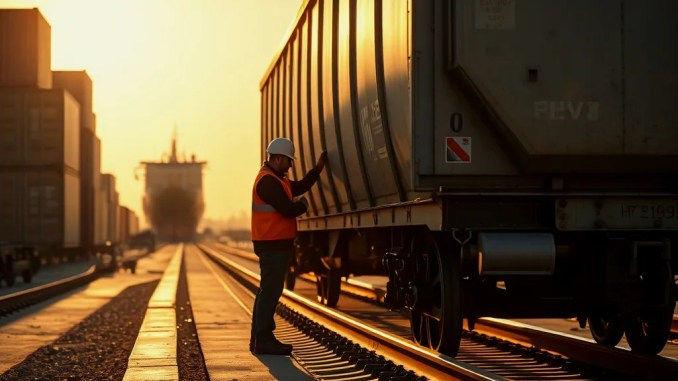
MÁV Agrees to Manufacture 44 Coaches for ENR
MÁV will produce 44 passenger coaches at Dunakeszi Járműjavító for Egypt’s National Railways (ENR), with full delivery scheduled by October 2027. The contract covers 4 first-class coaches, 6 restaurant cars, and 34 second-class coaches. Manufacturing begins under a restart plan that revives a previously stalled program originally tied to a larger 1,350-coach order. MÁV’s production timeline assigns milestones for prototype completion, testing, serial production, and phased shipments to meet ENR’s operational needs.
What Types of Coaches Will Be Delivered and Why They Matter
Coach mix and configuration match ENR operational patterns and passenger demand. The 4 first-class coaches include improved seating layouts, increased luggage space, and enhanced climate control suited to long-distance daytime services. The 6 restaurant cars are outfitted with modular kitchens and flexible seating to allow conversion between full-service dining and snack/coffee service on shorter runs. The 34 second-class coaches prioritize high-capacity seating, durable interior finishes, and simplified maintenance access to withstand heavy daily use on regional and intercity routes. Together, this mix reduces ENR’s immediate capacity gap while enabling varied service offerings.
How MÁV Will Manage Production, Testing, and Quality Assurance
Production will follow a phased, auditable process:
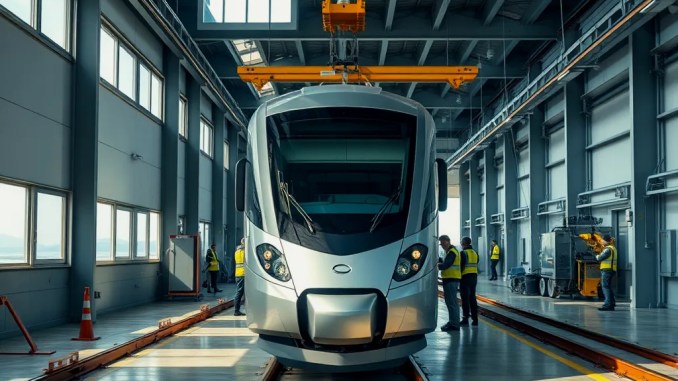
1. Prototype and validation: Build the first units as prototypes at Dunakeszi, install systems, and run static and dynamic tests on test tracks. Validate HVAC performance for Egypt’s climate, electrical compatibility with ENR’s power systems, and noise/vibration limits.
2. Pilot operation: Conduct a short in-service pilot with selected ENR routes and crews to collect operational feedback and complete any adjustments.
3. Serial production: Implement lessons from pilot units to streamline assembly lines, reduce cycle times, and maintain consistent build quality.
4. Final acceptance and shipment: Execute joint acceptance tests with ENR representatives, finalize documentation, and ship in agreed batches to align with ENR infrastructure readiness.
Maintenance and Warranty Responsibilities at Dunakeszi
Dunakeszi Járműjavító will perform warranty maintenance and repairs on 31 previously delivered coaches in addition to the new build. The workshop will track each vehicle with digital maintenance records, apply corrective measures under warranty terms, and schedule preventive interventions to minimize ENR service disruptions. This integrated approach benefits ENR by centralizing technical expertise and reducing turnaround time for repairs.
Financial Restructuring and Contract Completion Strategy
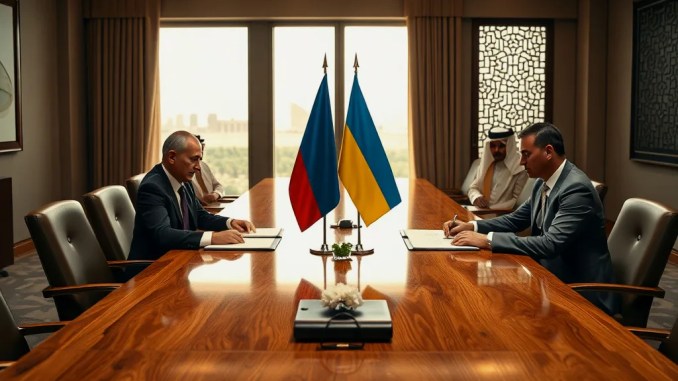
The agreement includes renegotiation of credit terms and financial responsibilities to finish the larger, originally disrupted project. Parties agreed to revisit loan agreements, payment schedules, and guarantees to align cash flow with production milestones. The restructuring aims to clear outstanding liabilities from the earlier Russia–Hungary joint venture phase and create a viable funding path for the remaining units envisioned in the broader program.
Delivery Schedule, Logistics, and Risk Mitigation
Delivery plan and logistics will follow a phased schedule to reduce transit risk and ensure operational integration. Typical steps include: packing and rail transfer to port, ocean transport with vetted carriers, customs clearance in Egypt, and coordinated last-mile rail delivery to ENR depots. Contingencies include alternative shipping windows, buffer stock of critical components, and pre-cleared customs documentation to avoid delays. Risk mitigation also covers supply-chain diversification for key systems (bogies, HVAC units, electrical cabinets) to avoid single-supplier bottlenecks.
Operational Impact on Egyptian National Railways
Receiving 44 additional coaches will improve capacity and service flexibility quickly. Short-term effects include restoring several intercity trainsets to full length and enabling new restaurant-car service on longer routes. Mid-term benefits include better maintenance predictability through centralized support and gradual passenger experience improvements as climate control and seating standards rise. These effects will be measurable in seat-kilometers added, percentage reduction in coach shortfalls, and a lower mean time to repair for covered units.
Examples and Precedents That Inform This Restart
Comparable restarts show that phased prototyping and renegotiated finance reduce project failure risk. For example, other international rail deliveries resumed successfully after: 1) validating first-run prototypes with customer crews; 2) splitting payment into milestone-linked tranches; and 3) centralizing warranty work in a single warehouse with clear KPIs. Those steps reduced disputes and improved delivery predictability.
Key Questions ENR and Stakeholders Should Ask Next
To keep the program on track, ENR and funders should clarify:
– Prototype acceptance criteria and test protocols; define measurable thresholds for HVAC, noise, and durability tests.
– Payment and penalty triggers; link tranche releases to verified milestones and remedies for missed deadlines.
– Logistics contingencies; prebook shipping capacity and nominate backup carriers for critical legs.
– Long-term maintenance handover; determine training, spare parts provisioning, and timeframe for local ENR workshops to assume full responsibility.
Timeline Snapshot to October 2027
High-level milestones likely to guide the program: prototype completion and testing within 9–12 months of contract mobilization; pilot fleet operation and adjustments by month 14–18; ramp to serial production thereafter; phased shipments beginning as soon as production of initial batch completes and continuing to final deliveries by October 2027.



Be the first to comment