
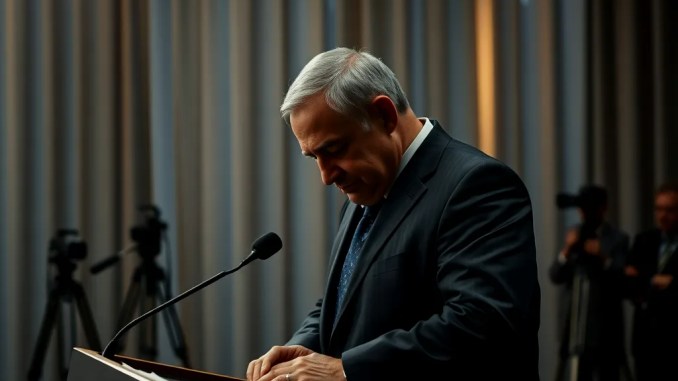
Iran Parliament Speaker Interprets US Midterm Outcome as a Rejection of War
Mohammad-Baqer Qalibaf, Speaker of Iran’s Parliament, publicly framed the unofficial results of the recent US midterm elections — in which Democrats emerged with a Senate majority — as a clear message from the American public against war In a post on He claimed the American electorate said “no” to war and framed that electoral result as legitimate political leverage: if US leaders continue to prioritize external power brokers and coercive groups over their citizens’ will, Iran will react in ways that produce tangible consequences. This framing serves multiple purposes: it projects strength to domestic Iranian audiences, signals deterrence to Washington, and reframes the midterms as an international rebuke rather than merely a domestic shift.
How the Message Aligns with Iran’s Strategic Communication
Iran’s leadership often couples election commentary abroad with strategic signaling. Qalibaf’s post fits three tactical objectives: 1) validate Iran’s resistance narrative by suggesting foreign publics oppose escalation; 2) increased diplomatic pressure by portraying US policy as misaligned with voter preferences; and 3) set conditions for responses tied to perceived US behavior. By casting US domestic politics as a constraint on administration options, Tehran seeks to widen political costs for escalation and to create leverage in any future crisis calculus.
Democrats’ Senate Majority: The Facts and Immediate Implications
Unofficial returns Democrats placed with a 51-seat Senate majority. That shift affects confirmation dynamics, legislative agendas, and posture oversight in Washington. Practically, a Senate majority for Democrats can alter foreign policy via committee control, subpoena authority, and advice-and-consent on executive nominations. For Iran, these institutional changes translate into a complex mix of risks and openings: potential for renewed diplomatic channels if the new majority favors engagement, but also the possibility of tougher oversight of executive actions that could spur regional instability.
Scenarios: How Iran Might Respond If Its Red Lines Are Crossed
Qalibaf’s warning—“if you ignore the popular will, Iran’s ‘no’ will have consequences”—can be parsed into plausible response scenarios:
Calibrated diplomatic protest: Increased public condemnation at the UN, summoning ambassadors, or leveraging allied states to lodge formal complaints.
Economic measures: Accelerated diversification of trade partners, announcing new commercial agreements with non-Western states, or tightening export controls on critical items to increase bargaining leverage.
Proxy escalations: More assertive actions by allied militias in Lebanon, Iraq, Syria, or Yemen, designed to raise costs while avoiding direct state-to-state war.
Military signaling: High-tempo naval patrols in the Gulf, missile tests, or short-duration airspace incursions intended to deter or compel US recalibration without crossing thresholds that would invite full-scale retaliation.
Why This Narrative Targets Both Domestic and International Audiences
The post operations on two levels. Domestically, it reinforces the leadership’s posture of vigilance and sovereignty—presenting Iran as responsive and uncompromising. Internationally, it seeks to exploit divisions and uncertainty within US politics by arguing that Washington cannot credibly pursue escalatory policies against Iran when its own electorate supposedly rejects such courses. That argument attempts to raise the political cost of US escalation by linking it to electoral accountability.
Concrete Examples from Recent History Supporting Tehran’s Playbook
Historical precedents show how similar messaging and calibrated responses have played out: during periods of strong US domestic opposition to foreign interventions, Tehran and its proxies escalated pressure through asymmetric tactics rather than direct confrontation. Examples include stepped-up harassment of commercial shipping during times when US public support for intervention was low, and the use of proxy actors to influence regional balance while allowing plausible deniability.
What Analysts Should Watch Next
Trackable indicators that will reveal whether Qalibaf’s words translate into action include:
1. Diplomatic signals: Changes in tone from Iranian foreign ministry briefings or a surge in diplomatic démarches.
2. Proxy activity: Increases in attacks or rhetoric from groups aligned with Iran across Iraq, Syria, Lebanon, and Yemen.
3. Military posture: Noticeable upticks in missile tests, maritime interdictions, or airspace incursions in adjacent waters and skies.
4. Economic moves: Sudden trade announcements with new partners or sanctions-countermeasures that reshape regional economic ties.
Bottom Line
Qalibaf framed the US midterm outcome as an anti-war mandate and used it to warn Washington that ignoring popular will carries consequences for Iran–US relations. The statement blends domestic political signaling with strategic deterrence, and it should be evaluated alongside concrete Iranian behavior in diplomacy, economic policy, proxy activity, and military posture to determine whether the rhetoric becomes policy.






Be the first to comment