

Fuel rationing begins in multiple Russian regions after refinery attacks
Regional authorities across Russia have moved quickly to limit retail fuel sales following a surge of attacks on oil-refining facilities. Officials in Karelia, for example, now cap gasoline sales at 30 liters per vehicle inside cities and 50 liters on intercity routes, while diesel is limited to 50 liters at standard pumps and up to 200 liters at high-capacity pumps used by heavy vehicles. Rosneft stations in the region have also banned jerry-can purchases to prevent stockpiling.
Those measures are framed as temporary demand-management tools: by limiting individual purchases, officials aim to smooth distribution from existing station inventories and avoid localized stockouts while refinery throughput is assessed and restored. Similar—but not identical—rules have been announced in Buryatia, Zabaykalye, Krasnoyarsk, Novosibirsk, Arkhangelsk and Penza. Implementation details differ by region; for example, some Krasnoyarsk Rosneft sites apply a 30-liter cap for 95-octane, 50 liters for 92-octane and up to 100 liters for diesel at particular pumps.
Leningrad region recommends the same curbs around St. Petersburg
The governor of Leningrad region recommended that fuel retailers limit single-sale gasoline to 30 liters and diesel to 50 liters across operators, not just Rosneft. The recommendation is not a blanket legally binding ban for all stations, but authorities asked companies to coordinate a common limit and to adhere to the specified container-size rules where applicable. Officials stressed the intent: prevent panic buying at stations that would rapidly deplete local inventories.
Refinery attacks: scale, timing and immediate production impacts
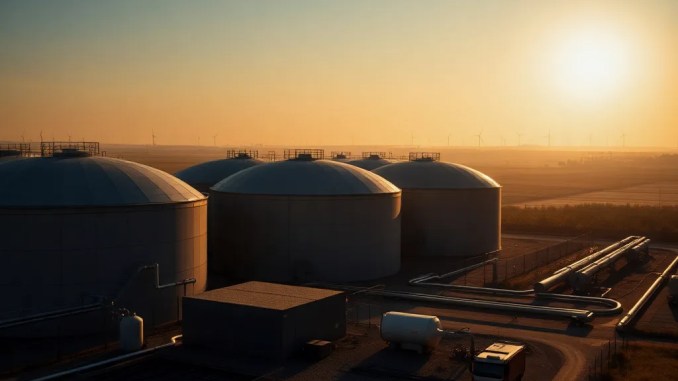
Over roughly a two-week period starting late October, at least eight major refineries in Russia were struck, with reported targets including facilities near Ryazan, Yaroslavl, Samara, Ufa and Kiriši in Leningrad region. The Kiriši refinery suffered a notable fire on 9 November. Damage assessments remain incomplete and open-source verification is limited for some incidents, but aggregate effects are clear: refinement capacity has been disrupted in several production basins, reducing Russia’s ability to convert crude into transport fuels such as gasoline and diesel.
Why refinery damage matters: Russia has ample crude oil, but distribution depends on local refining capacity. When refining units are offline—whether from physical damage, safety shutdowns or logistical interruptions—regions down the supply chain see acute retail shortages even if crude output remains high. That disconnect explains how a major crude producer can still experience localized pump shortages.
Moscow pushes a 300,000-ton diesel export deal amid domestic constraints
In October, Moscow and Washington agreed to a phased diesel shipment understanding that envisaged 300,000 tonnes initially, with later steps of 500,000 tonnes in November and an additional 1 million tonnes thereafter. Russian officials say they have started implementing the deal and point to downward pressure on international diesel futures after the announcement. The US granted temporary sanction carve-outs to enable some commercial flows tied to this arrangement.
Domestic tensions arise because export commitments can compete with national distribution needs. Diesel output historically leaves a larger share available for export than gasoline, which helps explain how diesel shipments can be contemplated even as gasoline rationing appears in some regions. But whether contracted volumes have physically reached US buyers remains unclear.
Shipment tracking shows altered tanker routes and delivery uncertainty
Vessel-tracking data revealed at least one tanker loaded at Primorsk in October that initially appeared bound for New York; Operators later said the final discharge port and buyer were not yet fixed. During early November, several tankers that had signaled eastbound routes altered course or displayed ambiguous final destinations. Observers caution that paper agreements or manifest listings do not equal to completed transfers: confirming imports requires matched port-call records, customs clearance entries and end-buyer receipts.
Beyond logistics, three concrete obstacles complicate deliveries: (1) legal constraints under US law that limit certain imports and still leave room for compliance risk, (2) the narrow scope and temporary nature of sanction exemptions that may not cover counterparties or service providers, and (3) commercial players’ reluctance to assume reputational or legal exposure. Those factors can delay or reroute shipments even when exporters offer cargoes.
Why international diesel prices fell but pump prices rose in some markets
After the October announcement, front-month US diesel futures dropped roughly 11%—a move traders linked in part to the prospect of additional supply entering global markets. However, retail diesel prices in the US and pump prices in parts of Russia moved differently. Several mechanisms produce that divergence:
Timing and pass-through: futures track wholesale availability and expected near-term supply; retail prices incorporate local taxes, distribution margins, fuel stock mixes and lagged inventory replenishments.
Regional bottlenecks: localized refinery outages or pipeline congestion can keep station stocks tight even as global tanker volumes rise.
Product mix: refineries make gasoline and diesel in fixed ratios. If refining runs favor diesel production and gasoline units are constrained, exportable diesel can coexist with local gasoline shortages.
Practical steps for consumers, fleets and policymakers
For motorists: plan fueling to avoid peak demand times, carry approved fuel containers only where legally permitted, and anticipate temporary limits at stations. Fleets should implement centralized fueling schedules, prioritize essential routes, and consider alternative fuels or rerouting if regional station access is constrained.
For operators and terminals: keep detailed paperwork for any export carve-outs, document compliance with sanction-related guidance, and prepare contingency storage to smooth short-term supply interruptions. For policymakers: prioritize rapid repair of affected refining units, coordinate regional distribution to balance surplus/refinery-proximate areas with deficit zones, and clearly communicate the legal framework around permitted exports to reduce market uncertainty.
What to watch next: signaling supply normalization or further stress
Key near-term signals:
1) Refinery restart reports and throughput numbers: public and commercial feeds showing unit returns to service will indicate growing domestic availability.
2) Tanker AIS consistency and matched port-clearance records: confirmed port calls and customs entries will validate reported exports.
3) Regional station stock data and queuing behavior: fewer pump limits and shorter station queues suggest relief; new or widening limits imply continued stress.
4) Futures vs retail spreads: if wholesale prices fall while retail stays elevated, expect localized distribution or tax/margin drivers; convergence would signal smoother pass-through.
Bottom line
Russia faces a complex supply picture driven by refinery disruption, regional rationing and an export deal whose practical deliveries remain partially unverified. Diesel volumes can be offered to global markets even while gasoline is scarce locally because of refining product balances, but continuing attacks on processing capacity risk deepening both export and domestic distribution problems. Tracking refinery repair schedules, tanker movements corroborated by port records, and station-level stock reporting will provide the best near-term evidence of whether supply conditions are stabilizing or deteriorating further.





Be the first to comment