
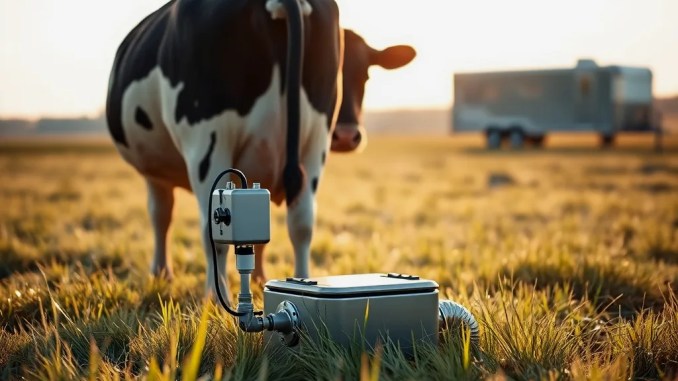
What GRAZE-Tag measures and how it works
GRAZE-Tag is a compact electronic ear tag that detects methane in a cow’s breath using a combination of chemical sensors and on-device artificial intelligence. The tag samples air near the nostrils and applies pattern-recognition models to separate methane signals from the many background barn odors. Sensors run periodic, short-duration scans; a microcontroller preprocesses raw signals, an embedded machine learning model classifies methane events, and the device timestamps and stores each measurement before wireless upload. This localized pipeline minimizes data transmission and power use while giving animal-level methane readouts.
Why animal-level methane data changes farm decisions
Individual measurements reveal which cows consistently produce higher methane volumes. That insight lets farmers target interventions—feed changes, breed selection, health checks—only where they matter, rather than applying farm-wide measures that raise costs. For example, identifying five high-emitting cows in a 200-head herd can avoid blanket ration reformulation and focus on diet trials or veterinary examinations for those animals. Over months, per-animal tracking also quantifies the impact of any change: feed mix A reduces emissions by Barns present confounders—ammonia, humidity, bedding dust, and nearby silage volatiles—that distort raw readings. GRAZE-Tag’s AI model has been trained on labeled datasets containing breath plumes across varied barn conditions (temperature ranges, ventilation states, feed types). The model learns typical temporal shapes of breath emissions and distinguishes persistent ambient gases from short methane bursts that indicate eructation. Robust validation requires multi-week field calibration: pair tag outputs with reference gas measurements and iteratively retrain to reduce false positives and negatives.
Data flow: from ear tag to farmer’s phone
Each tag aggregates measurements locally then transmits via a low-power gateway (LoRaWAN, BLE, or similar) to a farm hub. The hub relays summarized metrics to a cloud service where time-series processing computes daily per-animal emission profiles, percentiles, and trend alerts. Farmers access results through a mobile app or SMS reports showing:
Daily methane per animal, daily ranking within herd, rolling weekly averages, and flagging of abrupt deviations that could indicate dietary changes or health issues. The system also supports CSV export for integration with herd management and carbon-accounting tools.
Practical steps for farmers to implement GRAZE-Tag data
1) Install tags and run a 2–4 week baseline to capture normal emission variability across cows and time of day. 2) Pair tag data with feed logs and health records to correlate spikes with diet or illness. 3) Trial targeted interventions (change concentration ratio, add feed additives, isolate and examine high emitters) on small groups and measure emission response. 4) Scale effective changes across the herd and continue monitoring to ensure sustained impact. 5) Export results for lifecycle assessment or to support emissions-related certifications.
Examples and measured outcomes from early trials
Field pilots report actionable results: one trial observed a 12% average methane reduction after replacing a high-fermentable concentrate for the top 10% emitters, while another used tag data to identify subclinical rumen dysfunction in three cows—treatments that improved milk yield and reduced per-cow methane. These case studies show that focused interventions guided by animal-level measurements can produce measurable mitigation and productivity gains within a single production cycle.
Limitations, maintenance and best practices
Sensors drift over time and require periodic recalibration or model updates to preserve accuracy. Tags need routine cleaning to avoid clogging by hair or debris and battery replacements or recharging on prescribed intervals. Best practices include: schedule monthly tag inspections, maintain a small reference gas check station for spot validation, keep detailed feed and health logs to support correlation analyses, and update the edge AI models when feed regimes or barn layouts change significantly.
How GRAZE-Tag supports emissions accounting and mitigation programs
Animal-level data produces higher-resolution emissions inventories and enables targeted mitigation verification. Aggregated tag data can feed into farm greenhouse gas inventories, support voluntary carbon projects that require monitoring, and improve accuracy of reporting frameworks by replacing coarse per-animal emission factors with measured values. Programs that fund mitigation can use before-and-after tag datasets as verifiable evidence of reductions.
Next steps for adoption and scaling
To scale, farms should pilot tags on a representative subset of the herd, confirm measurable returns (reduced emissions, feed savings, improved health), then deploy across the operation. Integrating tag outputs with herd-management software multiplies value by aligning feeding, breeding and veterinary actions to emissions profiles. As datasets grow, model performance improves, accelerating identification of cost-effective mitigation pathways tailored to specific breeds, feeds and regional conditions.
Key takeaways
GRAZE-Tag converts individual cow breath into actionable methane metrics, allowing targeted interventions, better emissions accounting, and data-driven feed and health decisions. Practical deployment requires baseline calibration, routine maintenance, and close pairing of sensor data with management records to realize both emissions reductions and production benefits.








Be the first to comment