
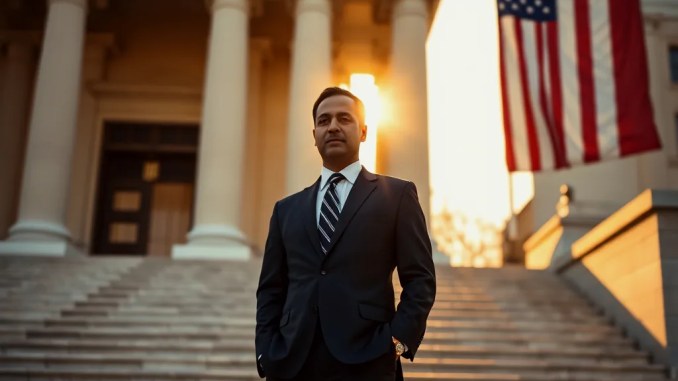
Abdul El-Sayed defeated Republican Mike Rogers in Michigan’s special congressional election, winning roughly 52% of the vote to Rogers’ 46% according to unofficial Associated Press tallies. With this victory, El-Sayed becomes the first Muslim elected to the US Senate. Election officials are completing certifications, and El-Sayed is expected to take his oath and begin his Senate term on January 3, 2027.
How El-Sayed Secured the Nomination and Won the General
El-Sayed built momentum by first prevailing in the Democratic primary on August 4, 2026, where he defeated Haley Stevens, a candidate backed by the American-Israel Public Affairs Committee (AIPAC). That primary win secured him the Democratic ticket and allowed him to focus resources on the general election. His campaign strategy combined targeted voter outreach in Detroit-area communities, a data-driven ground game in suburban counties, and messaging that emphasized healthcare, public health preparedness, and economic opportunity—areas tied to his background as a former public health official. That mix of coalition-building among Black, Arab, Muslim, and progressive voters plus appeals to moderates in swing suburbs produced consistent turnout advantages in critical precincts.
Key Vote Patterns and Demographics
Detailed precinct-level returns show El-Sayed carrying most urban districts, including large margins in Wayne County and other Detroit-adjacent areas. He narrowed Republican margins in several outer suburban precincts by emphasizing local economic proposals and infrastructure funding plans. Analysts point to three specific factors: concentrated turnout among younger and nonwhite voters, increased engagement of Arab-American voters in Michigan, and split-ticket voting in rust-belt swing areas where voters favored Senate change while supporting some Republican local candidates. These patterns mirror recent national trends where suburban shift and minority turnout determine close Senate races.
Projected Timeline and What Happens Next
After media outlets called the race and the Associated Press published unofficial results, Michigan’s election authorities move to formal certification. That routine process includes canvassing, certification by county boards, and a statewide declaration. If all procedures proceed without recounts or legal challenges, El-Sayed will be sworn in on January 3, 2027—the standard start date for new Senate terms. Once sworn, he will be assigned committee positions based on party priorities and his expertise; his public health background makes committees like Health, Education, Labor, and Pensions (HELP) or Homeland Security plausible placements.
What El-Sayed’s Election Means Politically
El-Sayed’s arrival in the Senate carries symbolic and practical implications. Symbolically, he becomes the first Muslim senator in US history, which alters the demographic profile of Congress and signals expanded representation for Muslim Americans. Practically, his policy priorities and committee assignments will influence legislative proceedings—particularly on public health funding, pandemic preparedness, and urban economic policy. His victory also strengthens the Democratic caucus numerically and could shift the balance on close votes, depending on the Senate’s overall party composition.
Campaign Finance and Outside Influence
Campaign finance filings reveal that El-Sayed’s campaign combined small-dollar grassroots donations with targeted institutional support, while his opponents benefited from substantial outside spending. In the primary, the AIPAC-backed candidate’s backing reflected one channel of outside influence that El-Sayed overcame. In the general, independent expenditures from national groups poured resources into advertising for both sides; El-Sayed’s team countered with precinct-level canvassing and volunteer networks that converted persuasion ads into votes. This mix—digital ad buys to reach suburban voters plus door-knocking in urban neighborhoods—illustrates a modern, hybrid campaign model that outperformed a more traditional, high-budget broadcast strategy in this contest.
Lessons for Future Races and Strategic Takeaways
Several tactical takeaways emerge for future statewide campaigns: prioritize turnout infrastructure in urban cores; invest in bilingual and culturally specific outreach to incorporate communities historically underrepresented in turnout; deploy micro-targeted messaging in swing suburbs combining local pocketbook issues with candidate background that connects to professional expertise; and sustain a hybrid digital-door strategy to convert ad impressions into votes. Michigan’s result shows that disciplined grassroots investment can overcome heavy outside spending when it produces measurable turnout gains.







Be the first to comment