Experience the Scale of China’s Summer Travel Boom Like Never Before
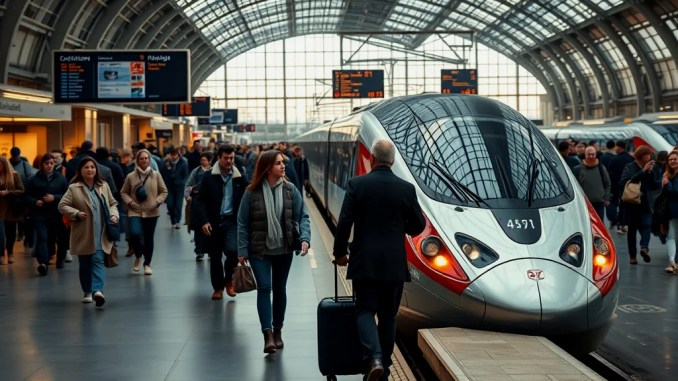
This summer, China witnesses an extraordinary surge in both railway and air travel, transforming the nation’s transportation landscape into a bustling hub of activity. Over just two months—July and August—millions of Chinese citizens and tourists alike take to the skies and rails, testing the limits of the country’s transportation infrastructure. This isn’t just a seasonal uptick; it’s a landmark event that reveals the resilience and adaptability of China’s expansive network, setting new benchmarks for global travel demands.
Massive Rail Traffic Reflects a New Normal in Domestic Travel
Chinese railways report handling a staggering 954 million passenger journeys during this period, a clear indicator of the nation’s robust domestic tourism and commuting needs. To put that into perspective, that averages approximately 11,623 train trips per day, enabling millions to visit family, explore cultural sites, or attend business events across vast distances. This volume surpasses typical summer figures by a significant margin, underscoring a renaissance in travel activity after pandemic constraints eased.
Moreover, an impressive 680 million tons of freight move across railway networks, highlighting the critical role of rail in maintaining China’s supply chain integrity amid rising consumer demand. This dual freight and passenger surge underpins the strategic importance of rail infrastructure investments, which now must cater to even higher volumes with greater frequency and efficiency.
Tailored Services for Growing Tourist and Special Interest Travel
The surge isn’t just about point-to-point travel. Authorities have introduced tailored services, including 415 scheduled special tourist trains and a total of 699 dedicated touristic trains that cater to cultural, scenic, and event-related journeys. These trains often feature themed routes, luxury amenities, and direct access to major cultural hubs, serving a broader segment of travelers seeking immersive experiences.
Beyond regular tourism, the system facilitates 351 special trains for cultural and entertainment events, promoting local festivals, exhibitions, and sports tournaments. This targeted approach not only alleviates congestion but also bolsters regional economies through increased visitor spending. It’s a blueprint for using transportation as a catalyst for cultural dissemination and regional development.
Air Travel Faces Its Own Record-Breaking Numbers
Simultaneously, China’s civil aviation sector crosses a monumental milestone with 151 million air passengers during the same period—a 2.9% increase year-over-year. This uptick mirrors domestic economic activities, burgeoning consumer confidence, and an expanding middle class eager to explore both domestic and international destinations.
On a daily basis, approximately 2.44 million passengers board planes, with total flights reaching around 1.21 million over the two months. These figures demonstrate not only a recovery from pandemic lows but also an acceleration in flight frequency, route expansions, and airline capacity management.
How China’s Transportation Network Manages the Peak Load
Handling such voluminous travel requires meticulous planning and infrastructure optimization. Chinese authorities coordinate between railway and aviation sectors to balance loads, deploy additional trains and flights, and implement innovative scheduling. The integration of real-time data analytics enables dynamic adjustment of schedules, ensuring minimal delays and maximum safety.
For example, during peak weekends, high-speed rail operators add extra carriages and run more frequent services, while airlines increase flight frequencies on secondary routes to ease pressure on main hubs. The use of high-tech ticketing systems streamlines access, reducing wait times and enhancing customer experience.
Investments and Future Outlook
Given these impressive figures, China is poised to continue expanding its infrastructure. Investment in high-speed rail corridors, improved safety protocols, and smarter scheduling will accommodate future growth projections—potentially surpassing this summer’s record numbers.
Additionally, innovations such as contactless ticketing, autonomous trains, and enhanced passenger amenities are reshaping what travelers expect from their journeys. The government prioritizes sustainable development, aiming to boost green transportation and reduce emissions, ensuring that growth is both robust and environmentally responsible.
Conclusion: Setting a Global Benchmark in Travel Demand Management
This summer’s record-breaking travel volume in China exemplifies a well-orchestrated effort to meet unprecedented demand. It showcases how strategic investments, technological advancements, and tailored services can transform challenges into opportunities. As China’s transportation sector navigates this surge, other nations can learn from its integrated approach—serving as a model for managing rapid growth in the mobility of the future.
Frequently Asked Questions
- Why did China’s travel numbers spike this summer? Several factors contributed, including pent-up demand after pandemic restrictions, government investments in infrastructure, and a cultural revival in domestic tourism.
- Are there plans to further increase transportation capacity? Yes, the government continues investing in high-speed rail, expanding airports, and adopting new technologies to handle future growth.
- How does China ensure passenger safety amid such high volumes? Through rigorous safety protocols, real-time monitoring systems, and frequent service upgrades, China maintains high safety standards.
- What is the future of sustainable transportation in China? China aims to integrate green energy solutions, electrify more rail lines, and innovate eco-friendly aviation technologies to promote sustainable travel growth.