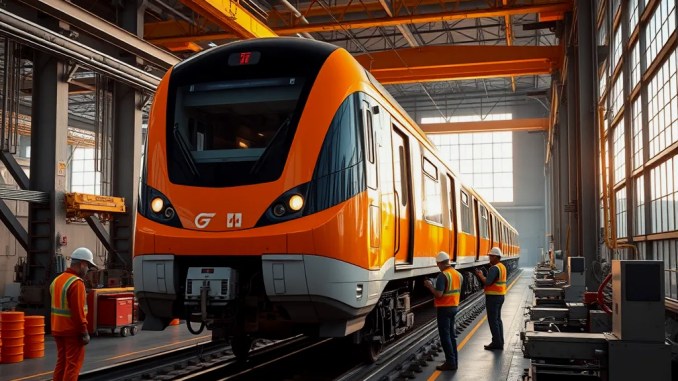
Unveiling the Massively Disruptive yet Necessary Overhaul of Boston’s Orange Line
Boston’s transit scene is witnessing one of its most ambitious overhauls in recent history. The Massachusetts Bay Transportation Authority (MBTA) has executed an intensive, multi-phase upgrade to the Orange Line, impacting daily commutes for thousands. These disruptions, although inconvenient, are critical for ensuring safer, faster, and more reliable service in the coming decades. Deep dive into the latest operational changes, the rationale behind repeated closures, and how the MBTA is working to mitigate commuter frustrations while modernizing its infrastructure.
Why Are These Multi-Day Closures Essential?
The MBTA prioritizes safety and efficiency, often necessitating extensive work that cannot be performed during regular service hours. The recent five-day shut of the Forest Hills-Back Bay section is part of a broader strategy to upgrade aging tracks, signals, stations, and rail infrastructure that can no longer support modern demand or safety standards.
These periods enable teams to conduct deep maintenance, including replacing worn-out rails, installing state-of-the-art signaling systems, and performing station renovations. Such efforts dramatically reduce the risk of accidents caused by outdated components, minimize future service disruptions, and enhance operational capacity.
Comprehensive Upgrades During Closures
- Track and Rail Replacement: Teams replace hundreds of feet of worn rails, ensuring smoother rides and reducing derailment risk.
- Signal System Modernization: Implementation of cutting-edge digital signals that improve train frequency, reduce delays, and enhance safety protocols.
- Station Renovations and Accessibility Improvements: Ruggles Station, a focal point of recent upgrades, now features new platforms, accessible entrances, and safety enhancements, including elevator installations and improved lighting.
- Electrical and Structural Repairs: Electrical wiring upgrades, bridge repairs, and concrete work ensure long-term stability of vital infrastructure.
Behind the Scenes of the Ruggles Station Improvements
The Ruggles station upgrade exemplifies the MBTA’s comprehensive approach. During the recent five-day closure, crews focused on concrete repairs for the station’s platforms and the adjacent bridge on Ruggles Caddy. These renovations eliminate trip hazards, provide smoother access for mobility-impaired passengers, and strengthen the station’s structural integrity.
Additionally, the project allocates $90 million for further accessibility and safety enhancements, including new elevators, improved signage, and upgraded lighting. These improvements aim to make Ruggles a model station that meets modern standards and accommodates a broader range of commuters.
How Signal and Track Modernization Elevates Service Reliability
The MBTA’s recent investments in digital signaling mark a pivotal upgrade in how trains communicate and operate on the tracks. The new system replaces decades-old analog signals, allowing for real-time train tracking, quicker response times, and reduced headways between trains.
This upgrade directly reduces delays during peak hours and increases the overall capacity of the Orange Line. The implementation involves meticulous work, fully executed during planned shutdowns to prevent disruptions during regular service, ultimately leading to a resilient and future-proof train network.
The Impact on Daily Commuters and How the MBTA Mitigates Disruptions
Crucial to the success of such intensive projects is minimizing inconvenience to daily riders. During the recent five-day closure, MBTA deployed free shuttle buses connecting key stations like Ruggles and Forest Hills to keep commuters moving. Additionally, they offered free weekday and weekend alternative services, including enhanced bus routes and supplemental rail services for affected segments.
Despite these measures, some commuters experienced extended travel times, with extra transfers adding to their daily commute. The MBTA emphasizes that these disruptions are temporary and necessary to build a faster, safer transit system, promising that the long-term benefits outweigh the short-term inconveniences.
Project Timeline and Future Milestones
The ongoing upgrades span multiple years, with monitored progress aligning with the MBTA’s 2026 modernization plan. The initial phase, completed in December 2021, introduced new rail platforms and accessibility features at key stations. The current phase focuses on the critical signal upgrades, track replacements, and deep station renovations like those at Ruggles.
Upcoming work includes further closures targeted at the South Station area, and additional track realignments designed to enhance capacity for future travel demand. MBTA assures the public of clear communication and continuous updates to best plan daily travel around these vital enhancements.
Expert Perspectives and Community Engagement
Engineers and transit planners highlight that these improvements position Boston’s transit system among the most advanced in the country. They cite extensive planning, technological integration, and a sustainable approach, ensuring long-term operational excellence.
Community feedback plays a vital role in refining project execution. The MBTA holds ongoing consultations, seeking commuter input to optimize shuttle routes, station accessibility, and service frequencies. This collaborative approach ensures upgrades serve the best interests of the ridership.
Conclusion: A Bold Step Forward for Boston Transit
While the recent extensive closures may cause temporary headaches, they are a bold investment in Boston’s transit future. Modernizing the Orange Line’s infrastructure sets the stage for a safer, faster, and more reliable transit network that can handle future growth. By understanding the scope and purpose of these upgrades, commuters can better navigate disruptions and look forward to a transformed system in the near future.
Frequently Asked Questions
Why does the MBTA schedule long closures instead of night work?
The MBTA schedules long closures during these periods because certain upgrades and repairs require continuous access that night work cannot provide. Working during extended periods allows for complete replacements and comprehensive testing, reducing future service disruptions.
How are commuters affected during these closures?
Commuters face longer travel times, increased transfers, and in some cases, unfamiliar routes. The MBTA mitigates these impacts by providing free shuttle buses, extra train services, and clear communication about alternative options.
When will the full Orange Line modernization be completed?
The MBTA’s official plan aims for full upgrades by 2026. This timeline includes multiple phases with ongoing work on tracks, signals, stations, and safety systems designed to operate seamlessly together upon completion.