Introduction: A High-Stakes Breakthrough in Syria’s Chemical Warfare Legacy
In a dramatic turn of events, Syria has officially launched the removal of remnants from its clandestine chemical weapons program, marking a critical milestone in global disarmament efforts. This initiative not only reassures international communities but also underscores Syria’s commitment to transparency after years of covert activities. The process, however, unveils a complex tapestry of ongoing challenges, clandestine threats, and geopolitical implications that demand closer scrutiny.
The Origins of Syria’s Chemical Weapons Program and Its Secretive Nature
Syria’s chemical weapons program dates back to the 1970s, with clandestine activities intensifying during the 2000s. For decades, the Syrian regime secretly developed nerve agents, sulfur mustard, and various lethal munitions, often hiding these activities under layers of deception. Despite international sanctions and oversight, remnants persisted in underground facilities, serving as a shadowy reminder of a history of defiance and dangerous concealment.
Recent Developments: Transition from Secrecy to Disclosure
Following the civil war and intensified international pressure, Syria gradually disclosed some aspects of its chemical arsenal. In 2013, under a covert United Nations-led initiative, Syria agreed to dismantle its declared chemical stocks. Yet, multiple reports indicated that clandestine materials and facilities continued to exist secretly, eluding global oversight. The recent campaign, initiated with the support of the OPCW (Organization for the Prohibition of Chemical Weapons), focuses explicitly on identifying and destroying residual artifacts of Syria’s clandestine chemical activities. This is arguably one of the most significant disarmament operations since the initial declaration, aiming to eliminate even the smallest traces of illegal chemical capacities.
Steps in the Disarmament Process and Technological Strategies
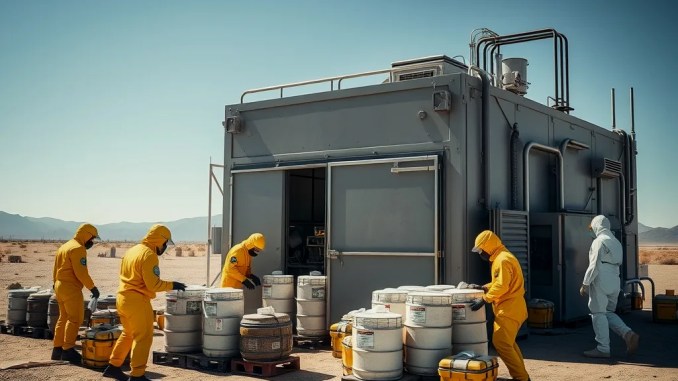
1. Intelligence Gathering: Satellite imagery, defectors, and forensic investigations lead the charge in locating hidden sites. 2. Site Inspection: OPCW experts conduct on-the-ground surveys, sampling, and analysis to verify clandestine presence. 3. Chemical Identification: Advanced chemical detection techniques, including mass spectrometry and chromatography, identify trace substances indicator of clandestine activities. 4. Safe Removal and Destruction: Once identified, hazardous materials are safely transported to neutral zones where they undergo incineration or sterilization, rendering them unusable. 5. Verification and Monitoring: Continuous oversight ensures compliance, using real-time sensors, periodic inspections, and international collaboration. This systematic approach highlights how modern technology—like drone surveillance, AI-based pattern recognition, and blockchain for tracking—plays a pivotal role in effective disarmament.
The International Community’s Role and Oversight Challenges
The global community, especially through the OPCW, actively participates in monitoring and verifying Syria’s disarmament milestones. International inspectors face considerable obstacles, including security risks, political interference, and clandestine bunkers deep beneath urban or rural landscapes. Furthermore, the safety of chemical weapons disposal depends heavily on international cooperation and resource allocation. Countries like Russia, Iran, and the United States have vested interests and influence, complicating collaborative efforts. The lack of transparency and potential for hidden stockpiles continue to pose risks, emphasizing the importance of rigorous monitoring.
Implications for Regional Stability and Geopolitical Tensions
Syria’s disarmament progress has profound geopolitical repercussions. It signals a step toward stabilization in a highly volatile region but also raises questions: – Are all clandestine facilities truly identified? – Could some materials be diverted or hidden strategically? – How will regional powers respond to ongoing disclosures? The disarmament process influences peace negotiations, sanctions, and international diplomacy. Successful destruction of chemical remnants can serve as a confidence-building measure, yet unresolved suspicions threaten to undermine peace efforts.
Future Prospects and Remaining Challenges
While initial steps are promising, the path to complete disarmament remains fraught with risks. Continuous intelligence, technological advancements, and international dedication are vital. Establishing a foolproof system to detect illicit activities, even years after initial disclosures, remains critical. Additionally, addressing the threat of chemical terrorism—where militant groups could acquire some remnants—demands enhanced security measures and intelligence synergy.
Summary and Final Thoughts
Syria’s recent efforts to dismantle its underground chemical arsenal showcase a decisive moment in international arms control. This operation exemplifies the power of modern technology, international cooperation, and relentless vigilance in preventing chemical warfare proliferation. However, lingering uncertainties about undiscovered stockpiles and underground facilities mean that the journey toward complete disarmament is ongoing. The efforts serve as both a warning and a lesson—highlighting the importance of transparency, international oversight, and technological innovation in safeguarding humanity from the destructive potential of chemical weapons. As Syria continues this delicate transition, the world watches keenly, aware that lasting peace hinges on the thorough elimination of all secretive and dangerous arsenals.