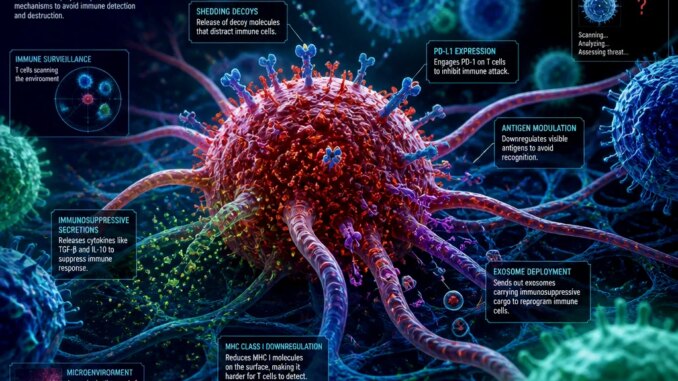
Unveiling the Hidden Battle in Liver Metastases: How Cancer Cells Outsmart Immune Defenses
Imagine you’re fighting a war against cancer, but your enemy isn’t just the visible tumors. Instead, the real threat lies in the microscopic interactions within the liver microenvironment that allow metastatic cancer cells to thrive while evading your immune system. Recent groundbreaking research reveals how liver metastases hijack the organ’s unique metabolic pathways, effectively turning the immune response into a silent, passive bystander. This discovery paves the way for innovative therapies that could dramatically improve patient outcomes.
The Unique Microenvironment of the Liver: A Double-Edged Sword in Cancer Progression
The liver’s microenvironment is unlike any other tissue in the body. It is characterized by a rich blood supply, high concentrations of specific nutrients, and a complex network of immune cells designed to tolerate constant exposure to gut-derived antigens. While this immune tolerance is essential for preventing unwanted inflammation, cancer cells have learned to exploit it.
Research shows that metastatic cancer cells adapt rapidly to this environment by utilizing local metabolites, which not only fuel their growth but also suppress the activity of killer immune cells like CD8+ T cells and natural killer (NK) cells. This metabolic manipulation creates a protective shield around tumor cells, fostering unchecked growth.
How Liver Metastatic Cells Reprogram Immune Responses
Metastatic cancer cells don’t passively exist within the liver; They actively manipulate their surroundings. Key to this process are specific metabolic signals and substances secreted by tumor cells, which alter immune cell functionality. For instance, a particular metabolite gets consumed at high rates by cancer cells, leading to a local deficiency that impairs immune cell activation.
This process involves several steps:
- Uptake of metabolic nutrients: Cancer cells scavenge high-energy molecules like amino acids or lipids, depriving immune cells of essential fuels.
- Secretion of immunosuppressive factors: Tumor cells release cytokines and metabolites that downregulate immune effector functions.
- Impairment of immune cell activation: Reduced cytokine production and proliferation of cytotoxic T cells and NK cells diminish the body’s ability to attack tumors.
This immune suppression mechanism is subtle yet profoundly effective, allowing cancer cells to grow undetected amidst a seemingly tolerant immune environment.
Key Metabolites and Their Role in Immune Evasion
Studies pinpoint attention on specific metabolites that act as mediators of immune suppression. For example, elevated levels of certain lipid derivatives or amino acid catabolites in the liver microenvironment suppress T cell activation. Conversely, when these metabolites are blocked or reduced, immune cells regain their effector functions, attacking tumors more effectively.
In one pivotal study, inhibiting the synthesis of a particular metabolite led to a marked increase in cytotoxic T cell activity and a slowdown in metastatic tumor growth. This demonstrates a direct causal relationship between the metabolic landscape and immune suppression in liver metastases.
Decoding the Cellular Interplay: What Happens at the Cellular Level?
Advanced techniques like flow cytometry and single-cell RNA sequencing reveal the cellular dynamics at work:
| Cell Type | Change in Function |
|---|---|
| CD8+ T cells | Reduced cytokine production, lower proliferation, diminished cytotoxic activity |
| Natural Killer (NK) cells | Lower activation markers, decreased killing efficiency |
| Antigen-presenting cells | Altered cytokine secretion, impaired antigen presentation |
This immune paralysis arises from the metabolic shifts initiated by tumor cells, creating an environment where immune cells are physically present but functionally incapacitated.
Current and Emerging Therapeutic Strategies
Understanding these mechanisms opens up exciting possibilities for targeted therapies. Here are promising approaches under investigation:
- Metabolic inhibitors: Drugs that block critical metabolites’ synthesis or uptake. For example, inhibiting amino acid transporters to restore immune cell function.
- Combination therapies: Pairing metabolic inhibitors with immune checkpoint blockade (like PD-1/PD-L1 inhibitors) could synergistically enhance anti-tumor immunity.
- Cellular therapies: Developing T cells or NK cells resistant to specific suppression, or engineering immune cells to function optimally within the hostile liver microenvironment.
Translating Discoveries into Clinical Practice
For these insights to benefit patients, clinical translation must focus on:
- Biomarker identification: Detecting specific metabolites in patient blood as indicators of immune suppression and treatment response.
- Safety profiling: Ensuring that metabolic inhibitors do not cause undue toxicity given the liver’s vital functions.
- Personalized treatment regimens: Tailoring therapies based on metabolite levels and immune cell status for maximum efficacy.
The Future Outlook: Combining Metabolic and Immunological Strategies
By targeting the metabolic pathways that cancer cells exploit, suppressing can reawaken dormant immune responses within the liver. This approach creates an additive effect, making existing immunotherapies more effective and potentially curbing metastasis at earlier stages. The integration of metabolic inhibitors with traditional immunotherapies could ultimately shift the paradigm in treating metastatic cancers, especially those resistant to current standards.