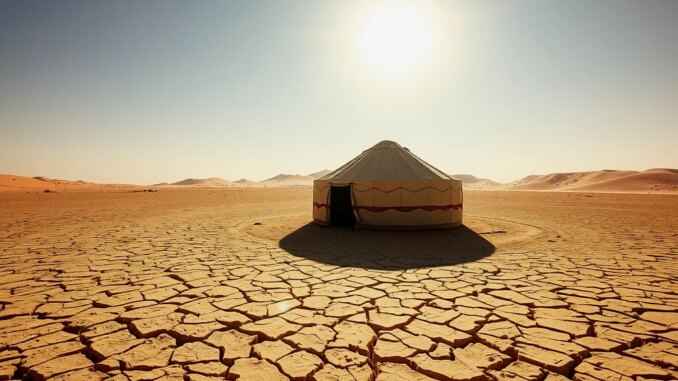
Unprecedented Heat Hits Uzbekistan During the ‘Chilla’ Period
Uzbekistan is currently experiencing an intense and prolonged heatwave known as the “Chilla” period, which spans from June 25 to August 5. This period is characterized by some of the hottest days of the year, with temperatures soaring to alarming levels that surpass seasonal averages by 3 to 6 degrees Celsius. The Uzbekistan Hydrometeorology Center reports that daytime temperatures across much of the country are consistently between 41-43°C, with the desert and southern regions reaching peak levels of 44-46°C. Experts warn that in certain areas, temperatures could even climb to 48°C, posing serious health and infrastructural challenges.
Impact on Health, Transportation, and Daily Life
The extreme heat has prompted immediate and strategic responses from Uzbek authorities, focusing on public health safety, transportation safety, and minimizing economic disruptions. The government advises citizens to stay indoors during peak heat hours (11:00 am – 5:00 pm), wear protective clothing, and stay well-hydrated. Hospitals see an uptick in heatstroke and dehydration cases, emphasizing the urgency of community awareness campaigns and emergency preparedness.
Transportation authorities have implemented new safety protocols for urban transit. Metro trains in Tashkent now operate at reduced speeds—down from 60 km/h to 40 km/h—until the temperature drops. This adjustment discourages overheating of train components and ensures passenger safety. Additionally, authorities have increased the frequency of water spray operations on city streets, parks, and green zones to combat the oppressive heat and create temporary cooling spots for residents.
Actions Taken to Protect Vulnerable Populations
In the hardest-hit regions—namely Karakalpakstan, Khwarezm, and Navai—officials have announced the temporary closure of kindergartens. This measure aims to shield children from the severe environmental conditions. These regions have seen restrictions enforced from July 13 to July 20. Parents are urged to keep children indoors and avoid outdoor activities during the hottest parts of the day, emphasizing safety over routine.
Furthermore, local authorities allocate additional resources to public parks and green zones. These spaces become vital sanctuaries during peak heat by providing shade and cooler environments. Tree watering campaigns are also intensified to enhance urban cooling and improve air quality. Efforts extend to mobile health teams, which neighborhood tours providing hydration stations and medical aid to at-risk groups, including the elderly and outdoor workers.
Adapting Daily Routines Amid Extreme Temperatures
Uzbekistan residents are adapting their daily routines as part of a collective effort to survive this intense heatwave. Recommendations from health officials include:
- Avoid going outside during the hottest hours, especially between 11:00 am and 5:00 pm.
- Wear lightweight, light-colored, and loose-fitting clothing.
- Use hats, caps, or umbrellas to shield from direct sunlight.
- Have water readily available, drinking at least 15-20 liters per day if possible.
- Apply sunscreen to protect skin from harmful UV rays.
- Take frequent breaks and use cooling towels or fans indoors.
This approach is vital to prevent heat-related ailments and maintain productivity in both work and leisure activities. Urban residents now understand that prolonged exposure to high temperatures can lead to dangerous dehydration, heat exhaustion, or worse, heatstroke, which is a medical emergency.
Long-Term Strategies and Future Outlook
While immediate responses are critical, Uzbekistan’s government also focuses on longer-term strategies to counteract climate change impacts. These include expanding green spaces, adopting more sustainable urban planning, and investing in cooling infrastructure. Experts suggest that cities need to incorporate reflective surfaces, green roofs, and water features to mitigate urban heat islands.
As models climate predict an increase in such heatwaves over the coming decades, authorities emphasize the importance of community resilience, public education, and infrastructure upgrades. International cooperation may become increasingly vital, with Uzbekistan exploring regional partnerships to share knowledge and resources for climate adaptation.
In conclusion, Uzbekistan’s current extreme heatwave demonstrates the urgent need for adaptive measures grounded in scientific insights and community involvement. Vigilance, preparation, and sustainable urban development are essential to safeguard residents from the relentless power of summer’s most ferocious temperatures.