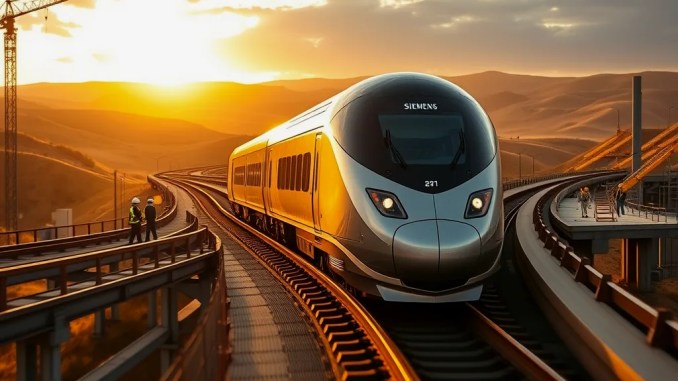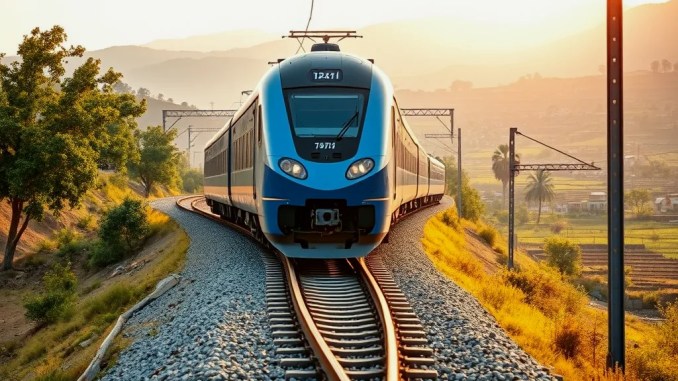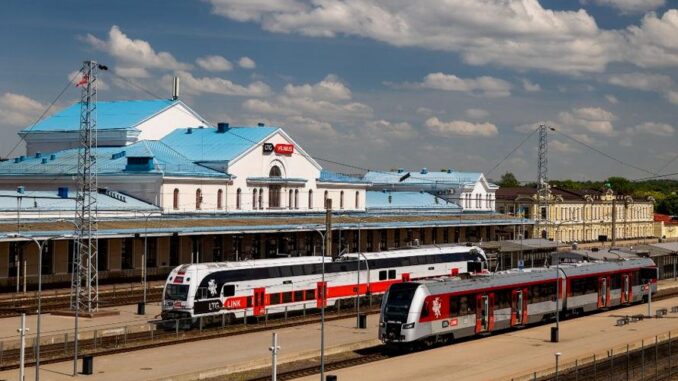
In a bold move to transform Lithuania’s transportation landscape, the introduction of high-speed express trains between its two largest cities marks a new era of mobility. Set to operate from March 29, this service aims to significantly reduce travel time, enhance comfort, and provide a reliable alternative to private vehicles and buses. With growing passenger demand and infrastructural improvements, this development signals Lithuania’s commitment to sustainable, modern transit solutions.
The Vilnius-Kaunas corridor has always been vital for domestic traffic, boasting a volume of approximately 6 million travelers annually. Nearly one-third of these passengers prefer train travel, reflecting a clear demand for faster and more convenient rail services. Recognizing this, LTG Link — Lithuania’s flagship rail operator — has focused on leveraging technological upgrades and customer-centric features to elevate the rail experience. The result is a new high-speed train that promises to cut travel duration by almost half, making train travel the preferred choice for daily commuters, business travelers, and tourists alike.
Exceptional Speed and Efficiency
Previously, conventional services stopping at multiple stations like Lentvaris, Vievis, and Kaišiadorys could take up to 1 hour and 20 minutes. During peak hours and due to infrastructure bottlenecks, delays occasionally disrupted travel plans. The new express trains, however, eliminate unnecessary stops, running directly between Vilnius and Kaunas. They achieve an impressive 59-minute journey — almost 30% faster than existing services.
Achieving this requires meticulous infrastructure upgrades, including enhanced signaling systems and dedicated high-speed tracks where feasible. Despite minor technical adjustments and potential temporary disruptions, the overall route efficiency remains a priority, ensuring passengers arrive sooner without compromising safety or comfort.
Advanced Onboard Experience
The new service isn’t just about speed. It’s about redefining the travel experience. Modern train interiors feature ergonomic seating, ample legroom, power outlets for laptops and gadgets, and high-quality Wi-Fi connectivity. First-class cabins offer additional amenities, including spacious seats, personalized service, and exclusive lounge access, catering to business travelers and those seeking premium comfort.
Moreover, specialized catering options are available onboard, with menus designed to match passenger preferences — from quick snacks to full meals. The “LTG Link Express” menu provides freshly prepared dishes, hot beverages, and healthy snacks, elevating the in-train experience to economic standards previously unseen in Lithuanian rail travel.
Ticketing Innovations and Price Strategies
Offering flexible and dynamic ticketing options is crucial for attracting a broad user base. Early-bird pricing or discounted fares for advanced bookings make travel more accessible, encouraging passengers to choose the train over other modes of transport. The dynamic pricing model adjusts fares based on demand, time of booking, and capacity, providing affordability and value for travelers. This strategy effectively fills seats during off-peak hours while maximizing revenue during busy periods.
Passengers can purchase tickets online via the official LTG Link platform, mobile apps, or at station kiosks. Both first and second class options are available, with reserved seats marked clearly to ensure a smooth boarding experience. This technological integration reduces waiting times and streamlines the entire ticketing process.
Environmental and Economic Impact
High-speed rail presents a sustainable alternative in Lithuania’s transportation ecosystem. By shifting a significant portion of traffic from cars and buses to trains, the service reduces carbon emissions, contributes to cleaner air, and alleviates road congestion. This move aligns with broader EU goals of decarbonization and environmentally friendly transportation.
Economically, improved connectivity fosters regional development — opening up opportunities for local businesses, boosting tourism, and generating employment. Faster, more efficient transit between Vilnius and Kaunas encourages commuters, students, and entrepreneurs to view train travel as their primary choice, thus fueling the economy and strengthening social ties across Lithuania.
Passenger-Centric Innovations
Customer convenience has been central to the design of this new service. Features like real-time updates, electronic ticketing, and mobile notifications ensure travelers are well-informed. Accessibility considerations include accommodations for disabled passengers and clear signage to cater to all users.
Furthermore, cleanliness standards, safety protocols, and courteous onboard staff create a positive travel environment, fostering loyalty and encouraging repeat use. This comprehensive approach not only enhances the quality of service but also positions Lithuania as a forward-thinking nation in regional rail transportation.
A Catalyst for Future Developments
The success of these high-speed trains sets a precedent for future transportation projects across Lithuania. Plans to extend high-speed rail further into other regions, upgrade existing infrastructure, and incorporate smart transportation technologies are underway. Such initiatives will naturally lead to integrated multi-modal networks, making traveling within Lithuania more seamless and sustainable.
In summary, the launch of Lithuania’s high-speed express trains between Vilnius and Kaunas marks a significant leap towards modern, efficient, and eco-friendly transportation. It embodies a strategic response to growing passenger demand, technological advancements, and environmental imperatives, shaping the future of travel in the Baltic region.