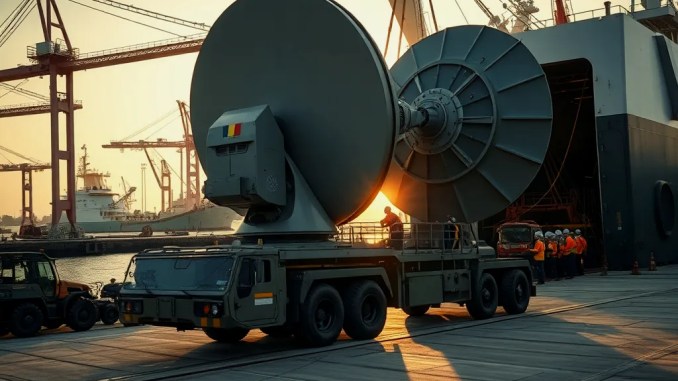
As nations operate in an increasingly complex security landscape, the development and deployment of cutting-edge defense systems become paramount. Current programs are often plagued by delays, ambiguous technical architectures, and uncertain funding, all of which threaten to undermine strategic objectives. One such ambitious project, dubbed “Golden Dome,” exemplifies both the promise and peril inherent in modern military modernization efforts. Despite officially marking its first anniversary, the “Golden Dome” initiative faces persistent challenges that could derail its intended timeline and technological goals. The core aim remains to establish an integrated, multi-layered defense network capable of countering a broad spectrum of threats—from ballistic missiles to emerging space-based attacks. Yet, the project’s progress is hampered by uncertainties surrounding technical architecture, international diplomacy, and budget execution. A Transformed Defense Vision: The fundamental goal of “Golden Dome” is to forge a comprehensive shield for national security—merging traditional land-based missile interceptors with innovative space-based sensors and surveillance systems. This multi-tiered approach promises rapid detection, precise tracking, and swift interception. However, operational realities reveal a complex web of technical, political, and financial hurdles that slow down practical implementation. ##Why Is There So Much Uncertainty? The primary sources of ambiguity stem from how the system’s architecture is envisioned and integrated. Currently, there are two competing approaches: one favors deploying advanced satellite networks with real-time data relay capabilities, while the other advocates for orbital defensive platforms equipped with missile interceptors. The decision isn’t just technical; it deeply influences procurement routes, international relations, and long-term strategy. The technical landscape is riddled with questions: – Sensor Fusion and Data Integration: Combining signals from ground radars, naval sensors, and satellite imagery demands seamless interoperability, which remains a work in progress. – Space-Based Assets: Developing or acquiring reliable satellite systems raises concerns about survivability, anti-satellite threats, and the ability to maintain persistent coverage. – Cybersecurity and Data Security: Protecting extensive sensor networks against cyber threats and espionage complicates system design. Though these challenges are formidable, they are not insurmountable. Every decision must be weighed against realistic timelines, cost implications, and geopolitical ramifications. ## Funding and Budgeting: Mired in Uncertainty The financial aspect of “Golden Dome” presents its own set of hurdles. Official allocations have reached into tens of billions of dollars, yet actual disbursements are steadily delayed due to technical indecisiveness and oversight issues. Reports indicate that hundreds of millions remain unspent, largely because contracts for large-scale components—like satellites or missile interceptors—are contingent on finalized design specifications. This strategic funding approach—linked to developmental milestones—aims to prevent waste but introduces delays that compound project risk. Critics argue that indecisiveness in tactical architecture leads to a paralysis in procurement, which can ultimately increase costs and reduce operational readiness. ## Industry and Technological Evolving Dynamics Major defense contractors—such as Lockheed Martin, Northrop Grumman, and Raytheon—are actively bidding for parts of the “Golden Dome” project. Early iterations involve small-scale prototype contracts, each valued around $120,000 to facilitate rapid testing of sensor modules and targeting algorithms. These initial steps serve multiple purposes: testing technical feasibility, refining system architecture, and establishing industry capacity. The contract awards are heavily classified and done through a competitive process designed to minimize transparency for security reasons. Subject matter experts emphasize that such a phased approach helps reduce technical risks while allowing iterative learning. Still, immediate large-scale deployment remains years away, with experts cautioning that integrating these components into a cohesive and operationally effective system could take until the 2030s. ## Technical Challenges in System Integration Creating a unified missile defense system that is both reliable and responsive involves overcoming several significant hurdles: – Sensor Fusion: Ensuring that diverse data sources—radars, satellites, and naval sensors—combine seamlessly in real-time requires advanced algorithms, robust communication links, and substantial processing power. – Latency and Response Time: The ability to process incoming data swiftly and execute interference commands within seconds is critical. Network bottlenecks and hardware limitations could impede rapid response. – Testing and Validation: Simulating threats across various scenarios demands extensive and costly testing environments that replicate real-world conditions. Without addressing these technical complexities head-on, large-scale expansion and operational deployment will remain fragile and vulnerable to failures. ## Expanding Geographical and Diplomatic Footprint The strategic reach of “Golden Dome” is also being debated, especially regarding the possibility of extending sensors or interceptors into global territories like Greenland. Such moves are motivated by the need for faster detection of threats approaching from different vectors. However, deploying military infrastructure in sensitive regions risks diplomatic tensions. The US government’s interest in Greenland was publicly spotlighted amid broader geopolitical discussions about Arctic security. While these initiatives can extend defense coverage, they must be balanced against international treaties, regional diplomacy, and the interests of allied nations. ## Expert Opinions and Future Outlook Defense analysts acknowledge that achieving a fully operational “Golden Dome” by 2028 is highly ambitious, given the current technical and political landscape. However, many agree that setting incremental milestones—such as integrating existing systems and testing satellite communications—can propel the project forward. A common view posits that a *stepwise approach* allows for manageable risks, with initial deployments acting as proving grounds for further expansion. Nevertheless, the high cost—potentially reaching over $175 billion—raises questions about budget sustainability and the strategic prioritization of defense investments. ## Strategic Impacts and Broader Consequences The success or failure of “Golden Dome” will reshape the nation’s defensive posture and influence global security dynamics. An effective network would dramatically improve early-warning capabilities, enhance missile interception precision, and act as a deterrent against adversaries. From an industrial perspective, the program stimulates technological innovation and sustains a large defense manufacturing ecosystem. Politically, the project’s progress—or lack thereof—directly impacts confidence in military leadership and national security policy. Simultaneously, prolonged delays could erode international credibility and embolden Competitors to pursue offensive missile development or anti-satellite capabilities. Therefore, how the project adapts to technical, diplomatic, and financial realities will determine its long-term legacy.